


One of our most-read stories this week came from Chama, written by one of our partners with guidance and editorial support from MakanDay. The story also attracted wide attention from political interest groups, who shared it across their social media pages and WhatsApp platforms for various reasons known to themselves.
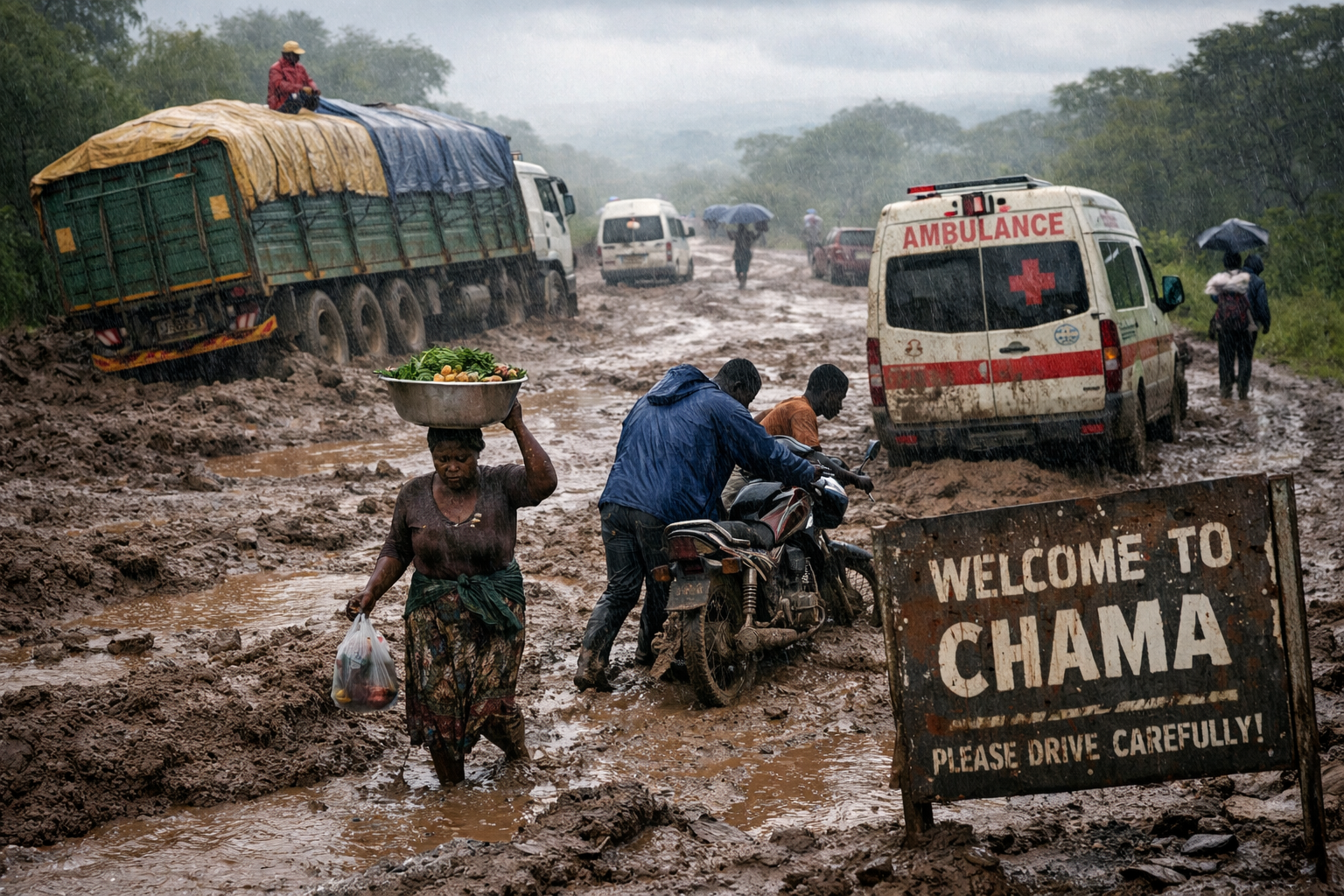
Curiously, the loudest criticism had little to do with the substance of the reporting. Instead, some commentators took issue with our use of an AI-generated illustration (which we have since republished), despite a clear disclaimer at the bottom of the story stating that the image was artificially generated and was for illustration purposes.
One critic accused us of laziness, arguing that we should have gone into the field to obtain a “proper” image. While we agree that original images are always prioritised, we are also transparent with our audiences. When images are used strictly for illustration, we say so clearly.
The same critic then rushed to produce a short video documentary purporting to show progress on the ground. That is her prerogative. The distinction between her approach and ours lies in process. At MakanDay, we do not simply line up voices and publish what they say. Every claim is checked, corroborated, and tested against evidence. That process can take days, weeks, and sometimes months.
MakanDay has undertaken multiple field visits to Chama over time. Dismissing long-term reporting on the basis of a single, assisted visit is not only reductive but reflects a limited understanding of the depth and rigour required in the work being criticised.
Our journalism is not driven by speed, sentiment, or optics, but by facts. It is those facts, and only those facts, that determine whether a story is published.
We would have been far more concerned had our critics challenged the accuracy of what we reported. They did not.
Our investigation focused on the dire condition of two critical roads—the Chama–Lundazi and Chama–Matumbo corridors, not on Constituency Development Fund (CDF) allocations. We explained why these roads matter and what their neglect means for ordinary people.
When the rains fall in Chama, the roads disappear. Vehicles sink into mud. Trucks stall for days. Journeys meant to take three hours stretch to five or more, if they happen at all. Travel during the rainy season becomes a gamble, with the real risk of being stranded for days.
Transport costs are passed directly to consumers. Food, fuel, and basic commodities cost more, not because of scarcity, but because of impassable roads. Poverty is deepened by infrastructure failure.
Farmers miss markets. Produce spoils. Transporters avoid the area. Traders pay exorbitant fees just to survive. Potential investors stay away. Development is deferred, again and again.
For people in Chama, this is what being “connected” to the rest of the country looks like on paper, and what isolation looks like in practice.
Our stories speak for themselves. We owe no defence for doing our work carefully, transparently, and in the public interest. But for clarity’s sake, we have chosen to explain it this once.

Discover more from MAKANDAY
Subscribe to get the latest posts sent to your email.