

More than a year after Zambia’s toxic spill disaster, over 170 families are still fighting for justice
By Charles Mafa
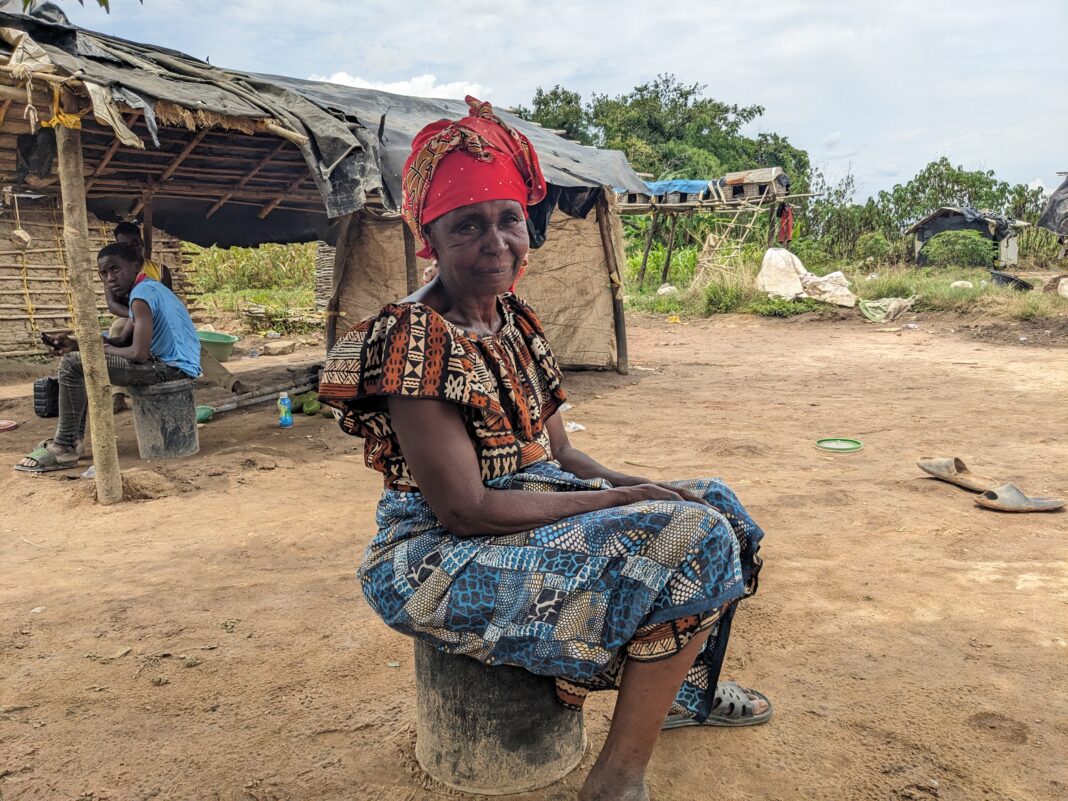
More than a year after a toxic waste spill devastated farms, polluted water sources and altered lives, 177 residents of Kalusale, a community in Kalulushi Zambia’s Copperbelt Province about 380 kilometres north of the capital, Lusaka, are preparing for another battle — this time in the Supreme Court.
On 3 June 2026, the Supreme Court sitting in Kabwe, Central Province, will hear an appeal by Sino Metals Leach Zambia Limited, a subsidiary of the state-owned China Nonferrous Metal Mining Group (CNMC), against a High Court decision that allowed a landmark constitutional petition filed by affected residents to proceed. The petition also cites NFC Africa Mining Plc, within whose mining area the tailings dams were located, as a respondent.
Sino Metals and NFC Mining are private limited companies involved in mining activities in Chambishi in Kalulushi district of the Copperbelt, with Sino Metals’ operations, including an open-pit mine, concentrator plant, and tailings storage dams, located within NFC Mining’s Surface Area and plant boundary.
At the heart of the case is the February 2025 collapse of multiple tailings dams, which discharged vast quantities of acidic and toxic waste into the Chambishi Stream, Mwambashi River and Kafue River system, triggering what many experts and affected communities describe as one of Zambia’s worst mining-related environmental disasters in recent decades.
Tailings dams are large engineered structures used to store waste left behind after minerals are extracted from ore. The waste often contains heavy metals, acidic compounds and processing chemicals that can pose serious risks to people and the environment if containment systems fail.
The hearing is expected to become a major test of corporate accountability in Zambia’s mining sector. At stake is not only whether the affected families will have their day in court, but also whether communities living alongside large-scale mining operations can successfully challenge powerful mining interests when environmental disasters destroy livelihoods and contaminate critical water sources.
Sino Metals, which has been carrying out cleanup and remediation activities in the affected area, has appealed the High Court’s decision to allow the constitutional petition to proceed after the court rejected the company’s application to dismiss the case.
For the residents of Kalusale, the case is about far more than legal arguments.
Before 18 February 2025, many families say they relied on the Chambishi Stream, Mwambashi River and the Kafue River for drinking water, farming, fishing and livestock rearing. Small-scale agriculture sustained most households and provided food security for the community. Then disaster struck.
Crops Destroyed, Livelihoods Lost
The petitioners argue that the pollution transformed a once self-sufficient farming community into one struggling for survival.
Farmers say crops were destroyed and some agricultural fields became unsafe for cultivation. Some residents were reportedly warned against harvesting maize because of contamination concerns. Livestock deaths were reported, fish stocks declined and many households lost their primary source of income.
More than a year later, many residents say recovery remains elusive. Previous investigations by MakanDay found that some farmers were still unable to cultivate portions of their land because of contamination concerns, while uncertainty continued to surround the long-term safety of affected farmland.
Farmer Peter Shula, one of the affected residents, says many families remain unconvinced that conditions have returned to normal.
“They told us the fields were restored and the wells were safe, but our experience says otherwise,” Shula previously told MakanDay.
Kalusale area chairperson Bernard Njovu has previously criticised compensation efforts.
“Looking at the figures which the company is making, personally as a farmer I think that compensation was just a scam because it was not real compensation,” Njovu told MakanDay.
“It was like they were just giving money to help people cope with the situation while waiting for proper compensation.”
The contamination also disrupted domestic water supplies. Residents say streams and wells that had sustained communities for generations became unsafe for drinking, cooking and irrigation, forcing many families to depend on alternative water sources.
The impact extended far beyond Kalusale.
The affected waterways feed into the Kafue River system, one of Zambia’s most important sources of water for domestic, agricultural and industrial use. Authorities temporarily shut down water treatment facilities serving Kitwe following the disaster amid fears of contamination.
Environmental specialists warn that pollution from mining waste can persist for years if not properly remediated, particularly where heavy metals and acidic compounds contaminate soils, groundwater and river systems.
Health Concerns Persist
The petitioners also allege that the spill triggered health problems among affected residents.
Court documents cite reports of diarrhoea, skin irritations and respiratory complications following exposure to polluted water and surrounding environments.
Although the company provided water to some households after the disaster, petitioners argue that the assistance was insufficient and left many residents with limited options.
They further allege that ongoing earth-moving activities in the area continue to generate contaminated dust, raising concerns about long-term exposure and health risks.
For many families, uncertainty remains one of the greatest burdens. Residents say they still do not know the full extent of the environmental damage or what long-term health consequences they may face.
The Fight for Accountability
In September 2025, Peter Shula and 176 other affected residents filed a constitutional petition, arguing that the disaster had violated rights guaranteed under Zambia’s Constitution, including the rights to life, human dignity, property, and a clean and healthy environment.
The petition seeks emergency relief, environmental restoration, healthcare support, compensation for losses and the creation of a fund to finance long-term remediation efforts.
Residents argue that compensation paid to some affected households does not reflect the scale of losses resulting from destroyed crops, livestock deaths, loss of income, environmental degradation and ongoing uncertainty.
They are also seeking compensation for personal injuries, increased health risks, emotional distress, relocation costs and the loss of use and enjoyment of their land and natural resources.
The petition further asks the court to order comprehensive environmental rehabilitation and guarantee independent expert access to affected areas.
In November 2025, the High Court rejected Sino Metals’ attempt to have the matter dismissed, allowing the constitutional petition to proceed. The company subsequently appealed, leading to this week’s Supreme Court hearing.
The Southern Africa Litigation Centre is supporting the petitioners, who are represented by Messrs. Malambo and Company Advocates and Messrs. Lusitu Chambers.
According to one of the lawyers representing the petitioners, the appeal scheduled for hearing before the Supreme Court on 3 June relates primarily to the procedural arguments raised by Sino Metals in its attempt to have the petition in the High Court struck out.
At its heart, the dispute raises broader questions about access to justice, environmental protection and whether communities affected by industrial disasters can obtain meaningful remedies when powerful corporate interests are involved.
The appeal comes amid continuing scrutiny of the contrast between community recovery efforts and the financial performance of the mining group.
Earlier reporting by MakanDay found that CNMC reported strong profits and substantial shareholder payouts in the months following the disaster, even as affected communities continued seeking long-term compensation and environmental restoration.
More Than a Court Case
Environmental advocates say the outcome could shape how Zambia addresses corporate accountability for environmental harm, particularly as the country seeks to expand mining production to meet growing global demand for critical minerals.
Activist David Ngwenyama has described the case as one of the most significant environmental justice matters currently before Zambia’s courts, warning that its outcome could have far-reaching implications for accountability in the mining sector as the government pushes to expand mineral production.
“Ignoring this matter would set a dangerous precedent for future mining operations and send the wrong message to investors about environmental accountability,” he said.
“We hope and pray that the court will act independently in this matter. For me, the judiciary is the last resort because when affected communities cannot obtain redress from regulators or the executive, their only remaining option is to seek justice through the courts.”
For the families of Kalusale, however, the issues remain deeply personal.
While lawyers debate legal principles in courtrooms, many residents say they are still waiting for clean water, restored livelihoods and assurances that their environment can recover.
On 3 June, those hopes will once again be placed before Zambia’s highest court. For the residents behind the case, the question is no longer simply who is responsible for the disaster, but whether justice can still be delivered more than a year after their lives were turned upside down.
The Road to Justice: Key Moments in the Kalusale Pollution Case
- 18 February 2025 – Multiple tailings dams (TD15F, TD15E, TD15D, RD15C, TD15B, TD15A) operated by Sino Metals collapsed, releasing an estimated 900 million litres of toxic effluent into the Chambishi Stream, Mwambashi River and Kafue River system
- 19–21 February 2025 – ZEMA confirms extensive contamination; Zambian Parliament acknowledges the disaster
- March–April 2025 – Ministries and independent researchers confirm unsafe heavy metal levels; US and Finnish embassies issue evacuation advisories
- July 2025 – A limited compensation scheme is launched, excluding most households and requiring petitioners to sign broad liability waivers
- 12 September 2025 – 176 residents file constitutional petition (Cause No. 2025/HP/1285) in the High Court of Zambia
- 31 October 2025 – Sino Metals files application to dismiss the petition
- 17 November 2025 – High Court dismisses all grounds in Sino Metals’ application; case to proceed
- 6 April 2026 – Sino Metals files an appeal against the High Court decision to refuse to dismiss the petition
- 3 June 2026 – Supreme Court to hear Sino Metals’ appeal (Appeal No. 8/2026)
Further Reading:
- “I Could Have Been the First to Die,” Says Chambishi Resident
- Zambia’s $80 Billion Mining Lawsuit Risks Collapse Without Unity and Leadership
- Chinese Mining Company’s Profits Rise as Zambia’s Farmers Wait for Justice
- Zambian Villagers Pay the Price of the Global Quest for Metals
- How Enforcement Failed Before the Sino-Metals Tailings Disaster
- What the Sino-Metals Waste Dam Spill Reveals About Mining Oversight in Zambia
- Sino Metals Spill: A Disaster Too Big to Bury (Part I)
- Lives in Limbo After the Sino Metals Spill (Part II)
- Toxic Secrets of Sino Metals — Inside Zambia’s Hidden Environmental Catastrophe
- OPINION: One Year After the Sino Metals Disaster — Still Waiting for Justice


Discover more from MAKANDAY
Subscribe to get the latest posts sent to your email.


