

One year after the Chambishi tailings dam collapse, this investigation examines unresolved contamination, stalled relocation plans, and the growing contrast between corporate profits and community recovery.
By Linda Soko Tembo | MakanDay Centre for Investigative Journalism
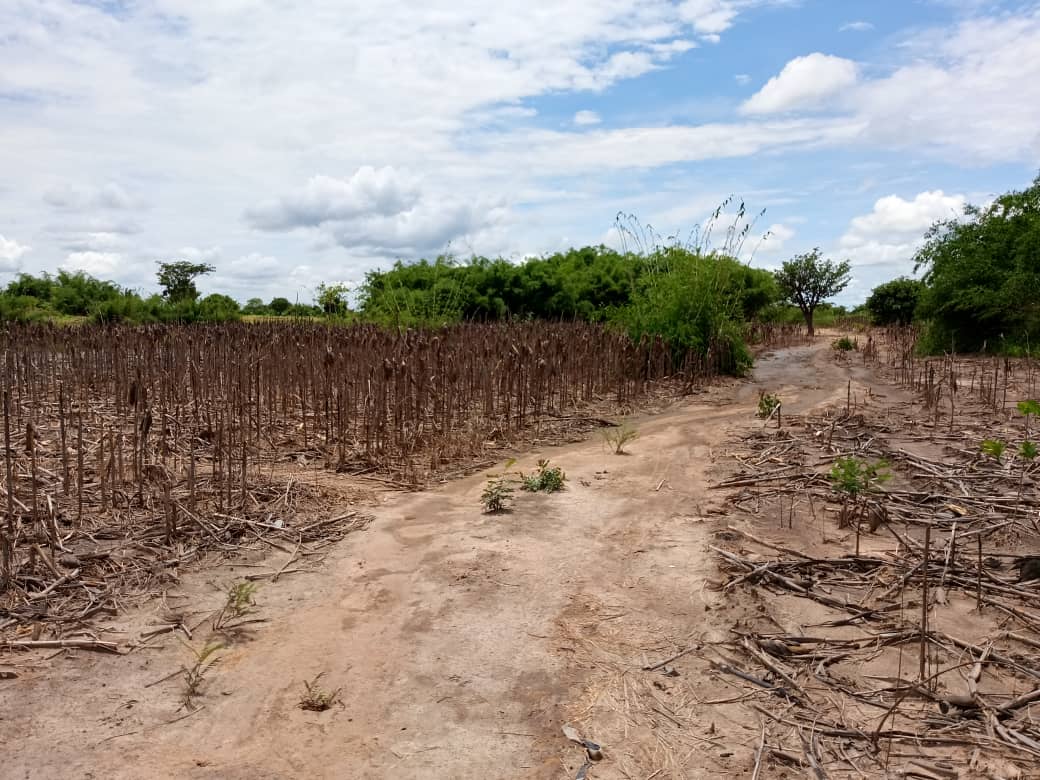
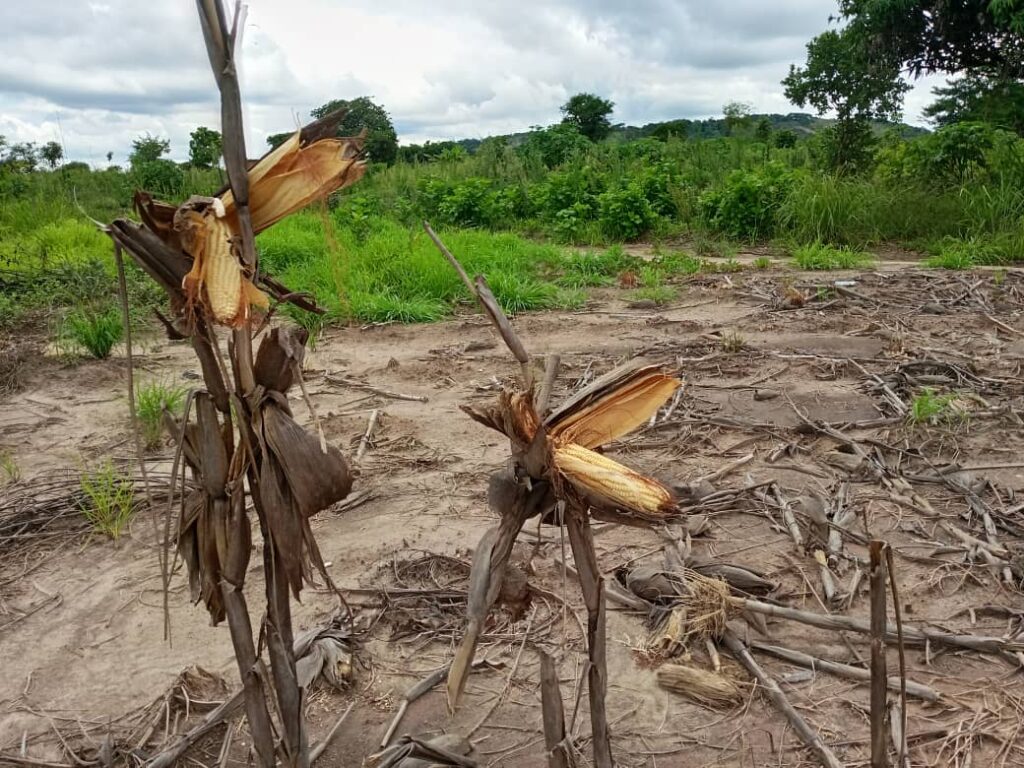
A year after toxic waste from Sino Metals Leach Zambia’s collapsed tailings dam destroyed farmland around Chambishi, the fields remain silent.
Where maize once grew, farmers say nothing can be planted. The Mwambashi Stream, once a source of water and livelihood, still carries the memory of contamination. And for more than 200 affected farmers, the future remains suspended in uncertainty.
In December, a government-commissioned assessment confirmed that while water conditions have improved, soil in affected areas still contains elevated heavy metals, threatening cultivation. It recommended the urgent relocation of residents living within the mine’s pollution control zone. Months later, no relocation plan has been publicly communicated.
Victims are still waiting for relocation and describe the compensation received so far as woefully inadequate. Meanwhile, the parent company ultimately responsible for the dam has moved on, profitably.
According to its latest six-month financial report, the parent company of Sino?Metals Leach Zambia Limited (SML), the state-controlled China Nonferrous Mining Corporation (CNMC), made after-tax profits of US$371 million in the first half of 2025.
The same report also revealed that CNMC, which is listed on Hong Kong’s stock exchange, had gone ahead with a decision to reward shareholders for its 2024 profits. Its US$167 million dividend payout was the highest made by the company in at least six years.
CNMC’s historic financial success contrasts starkly with unresolved environmental harm faced by affected communities.

A spill that changed everything
When a tailings dam in Chambishi failed, it released acidic mining waste into the Mwambashi Stream and surrounding areas. The stream feeds into the Kafue River, one of Zambia’s most important water systems and a lifeline to thousands of residents downstream.
Tailings dams are meant to safely store mining waste, which can contain highly toxic chemical residues and heavy metals.
SML initially reported that 50,000 cubic meters of waste had been spilled. But last August, an independent assessment by pollution control company, Drizit Environmental (Pty) Ltd, estimated that up to 1.5 million tonnes of tailings were released—far exceeding the company’s initial figure.
In the immediate aftermath, Drizit reported what it described as “dangerous levels” of cyanide, arsenic, copper, zinc, lead, chromium, cadmium, and other pollutants, which posed “significant long-term, health risks, including organ damage, birth defects and cancer.”
A government-commissioned Environmental and Social Incident Impact Assessment released in December found water quality had returned to normal, but identified a core contamination zone of approximately 5.35 square kilometres where soil remains impacted by elevated heavy metals.
The assessment recommended the urgent relocation of the residents living within the mine’s pollution control zone, identifying 158 as “directly affected and vulnerable to displacement.”
While the report documented the damage, how much it will cost to clean up and relocate residents is still unclear.
What the company has paid—and what remains unclear
Earlier this month, the Ministry of Green Economy and Environment said the spill had moved into the clean-up phase, with ZEMA ordering Sino Metals to begin remediation and complete the work by June 2026.
Under Zambia’s environmental framework and polluter-pays principle, the company is responsible for funding environmental restoration and compensating victims affected by the spill—with government oversight.
In the months following the disaster, affected residents reportedly received individual payouts ranging from US$17 to US$2000—far below what they say is needed—and often only after signing agreements waiving future legal claims.
By last September, Sino Metals had paid nearly US$600,000 to address environmental and livelihood damages, according to a report by Zambia Extractive Industries Transparency Initiative.
The latest financial statement of CNMC, which owns Sino Metals, runs to the six months to 30 June last year—a time which covers the collapsed dam and the four months after it.
This 70-page report contains a small number of references to the disaster. A note on the penultimate page of the accounts describes the collapse as “an incident” and that SML “promptly initiated rescue and containment efforts to manage the situation”.
“The Directors believe that this incident has been adequately provided for the six months ended 30 June 2025 and further provision is not made as an amount cannot be reliably estimated at this stage,” the contingent liability note stated.
Victims take issue with the amount that has thus far been paid, some taking the battle for compensation into their own hands: Over the past year, two class-actions suits have been filed against the company—collectively asking for $420 million in damages, and tens of billions for a government-managed reparations and remediation fund.
While the company earlier responded to WhatsApp queries by referring relocation matters to the Office of the Vice President, it did not provide answers to the specific written questions submitted prior to publication.
Meanwhile farmers in Kalusale say they have not seen any clean-up begin and still do not know if or when relocation will happen.
Dividends paid, displacement delayed
While affected families wait for adequate compensation and relocation, shareholders have been reaping rewards.
Over the past five-and-a-half years, Sino Metals’ parent company, CMNC, has earned more than US$2.4 billion in after-tax profit. The company’s most recent financial disclosure shows more than US$1.48 billion in retained profits—underscoring the strength of its financial reserves.
Dividends paid out to shareholders have been similarly robust: Since 2019, the total amount of dividends have topped US$600 million.
CNMC derives all its revenues from Zambia and the Democratic Republic of Congo, though its accounts do not specify how much comes from each country.
The past two years annual accounts of Sino Metals, the mining company and CNMC subsidiary that owned the tailing dam, have not been disclosed.
But the company’s 2023 financial statements show revenues totalling nearly US$295 million in 2023 and 2022, and profits after tax totalling US$37 million for the two years.
This represents a small percentage of its parent company’s revenues and profits. Furthermore, Sino Metals’ production of copper cathodes and blister copper fell dramatically “mainly due to the temporary suspension of production to focus on the appropriate rehabilitation measures,” CNMC’s six month financials stated.
But there are other Zambian entities belonging to CNMC such as NFC Africa which contribute huge sums to its multi billion dollar revenues.
Farmers still waiting
For farmers still waiting to be relocated, the contrast is stark.
Kalusale area chairperson Bernard Njovu describes the compensation paid to farmers affected by the disasters as wholly inadequate.
“Looking at the figures which the company is making, personally as a farmer I think that compensation was just a scam because it was not real compensation,” he said. “It was like they were just giving money to help people cope with the situation while waiting for proper compensation.”
Njovu added that more must be done, particularly as Sino Metals—with government support—plans to relocate residents from the area. He said compensation should be properly handled during the relocation process and urged authorities to involve the community in planning compensation before people are moved.
Other farmers interviewed by MakanDay, who requested anonymity for fear of jeopardising potential compensation, say communication from both the company and government has been inadequate.
Several said they learned of plans to relocate them only through newspapers and social media.
“We are ready to move,” one farmer said. “We can no longer farm here. But no one has told us where we are going.”
Another said relocation appears stalled because alternative land has not yet been identified.
“I don’t think government has found land to relocate more than 200 farmers,” he said.
The last major engagement, farmers recall, was a public meeting at Mukuba Secondary School, where the Environmental and Social Incident Impact Assessment report was presented. Since then, they say, there has been little follow-up.
Some farmers further allege that the company has continued operations in affected areas and is attempting to reduce the list of people eligible for compensation.
“If you live outside the area but have a caretaker on the farm, they would rather list the caretaker than you, the owner,” one farmer claimed.
A trail of deflected responsibility
When contacted, Sino Metals’ Deputy Chief Executive Officer Sydney Chileya declined to provide a timeline for relocation.
“The issue of Kalusale is currently under the Resettlement Department under the Office of the Vice President,” Chileya said. “They are better placed to provide an update.”
Questions sent to the Office of the Vice President of Zambia produced confirmation, but no timeline.
Press aide Njenje Chizu said SML is working with the Permanent Secretary in charge of resettlement and that the government agrees relocation is necessary because residents are not safe in their current location.
“The President and the Vice President have agreed that the people should be resettled by Sino-Metals and should be given land where they can continue with their activities,” Chizu said.
However, he also deferred details of progress to the Permanent Secretary responsible for resettlement.
Legal representatives for affected farmers say they are still waiting.
Mehluli Malisa, a lawyer at Malisa and Partners Legal Practitioners, said the matter remains before the courts and that they have not received further communication from the company.
Finance Uncovered, a UK journalism organisation, contributed to this story.


Discover more from MAKANDAY
Subscribe to get the latest posts sent to your email.


