

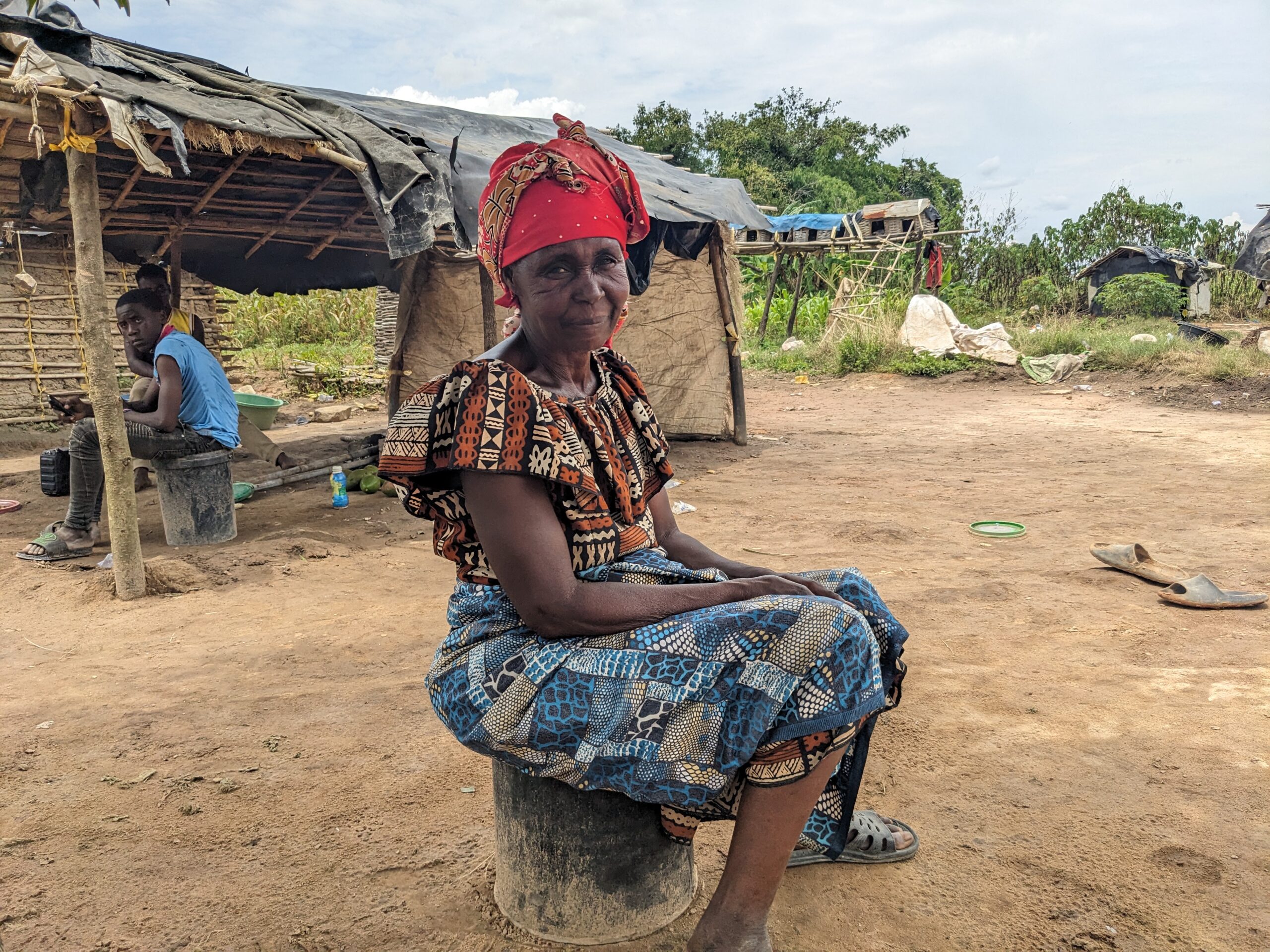
One year on from the collapse of the Sino Metals Leach Zambia tailings dam in Chambishi, one of Zambia’s most serious environmental disasters in recent memory, the fields where families once planted maize remain eerily silent. What was once fertile farmland now lies fallow, the soil contaminated with heavy metals. For more than 200 farmers affected by the spill, the promise of recovery is still out of reach.
On 18 February 2025, toxic mining waste spilled from the failed containment dam into the Mwambashi Stream, a tributary of the Kafue River, a critical waterway on which tens of thousands of Zambians depend for irrigation, fishing, and daily water needs. In its immediate aftermath, the river appeared to “die overnight” as fish perished and water quality deteriorated.
Since then, government-commissioned assessments have acknowledged lingering contamination in soil and recommended relocation for those living within the core pollution zone, yet months later, relocation plans are stalled and communication with affected communities remains limited. Compensation payouts so far have been described by residents as woefully inadequate, and many have had to sign away rights to further claims simply to receive modest sums.
At the same time, the parent company ultimately responsible for the dam’s failure, China Nonferrous Metal Mining Corporation, recorded healthy profits and continued distributing dividends to shareholders. This contrast between corporate gain and community loss underscores a broader challenge in Zambia’s extractive sector: who bears the cost of environmental harm?
The lack of meaningful progress on relocation, remediation, and equitable compensation raises troubling questions about accountability and enforcement. Civil society groups and affected farmers have pursued legal action seeking substantial damages and a formal restoration mechanism, but the journey toward justice remains long and uncertain.
This first anniversary should be a moment not just for remembrance, but for reflection and action. Zambia needs stronger regulatory oversight and a transparent process that centers the voices of those harmed, not buried technical reports or lukewarm corporate statements. Environmental laws on the books must translate into real protections on the ground.
Communities should not be left to rebuild alone, nor should the price of environmental ruin be treated as a cost of doing business. One year later, the land still waits for its children to return; Zambia’s leaders must act to ensure they can.


Discover more from MAKANDAY
Subscribe to get the latest posts sent to your email.


