


By Charles Mafa
Zambia is facing renewed international pressure over the decades-long lead poisoning crisis in Kabwe, as human rights groups and affected families push for urgent intervention from the African Union.
In a complaint filed before the African Committee of Experts on the Rights and Welfare of the Child (ACERWC), the Institute for Human Rights and Development in Africa (IHRDA), alongside Zambian civil society organisations and affected families, is seeking accountability for what they describe as ongoing violations of children’s rights linked to historical mining activities in the central Zambian town.
The case, backed by Human Rights Watch, calls for urgent action to address what has become one of the most severe environmental health crises in the country.
“The consequences of the Zambian government’s inadequate enforcement of mining and environmental regulations have been borne by children, the most vulnerable population,” said Allan Ngari, Africa advocacy director at Human Rights Watch. “The case being filed by IHRDA, its partners and affected families is a necessary and urgent effort to end this cycle of neglect and demand accountability and immediate action from the Zambian government.”
The petition comes as President Hakainde Hichilema is scheduled to visit Kabwe to reopen the Zambia-China Mulungushi Textiles joint venture, following a reported US$140 million rehabilitation after more than two decades of closure. Political analysts say the timing of the visit, in a town long defined by one of the country’s worst environmental disasters, places renewed scrutiny on the government’s response to the lead crisis ahead of the August 13 elections.
While investment returns to Kabwe through industrial revival, affected families say the legacy of past mining remains largely unaddressed.
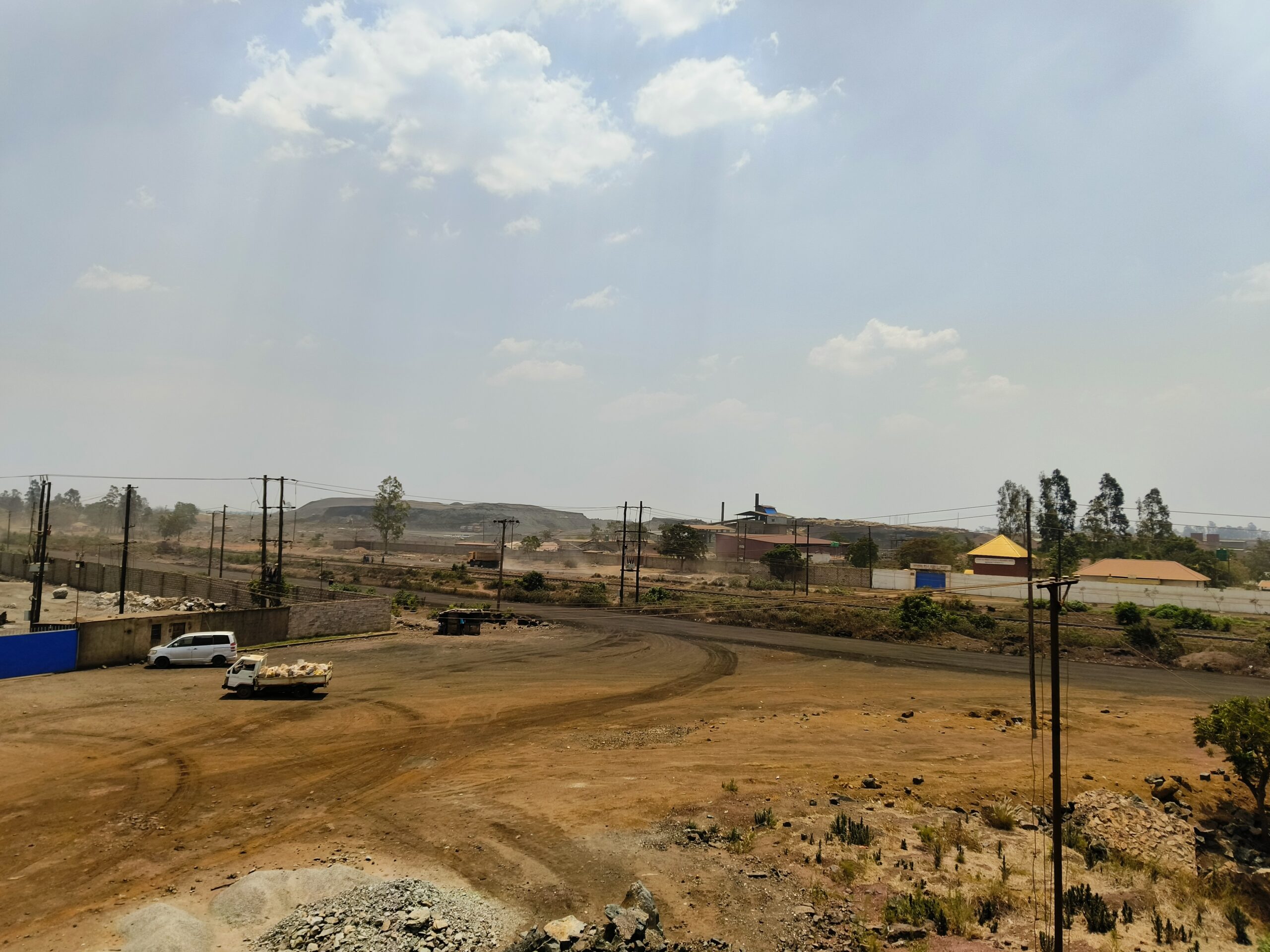
According to the complaint by IHRDA, children in Kabwe have been exposed to toxic lead waste from historic mining operations and contaminated mine tailings in a mine that was opened in the British colonial period. Lead is a highly toxic metal that is particularly harmful for children and can result in cognitive impairment, multiple irreversible health effects, and even premature death.
Estimates suggest that up to 200,000 people may have been exposed to toxic dust from the mine, with medical researchers indicating that more than 95 percent of children living near the former site have elevated lead levels in their blood.
Despite the scale of the crisis, rights groups argue that government action has fallen short.
“The consequences of inadequate enforcement of mining and environmental regulations have been borne by children, the most vulnerable population,” said Allan Ngari.
The complaint accuses the Zambian government of failing to adequately contain contamination and of allowing continued exposure through licensing of mining and mineral processing activities on toxic waste sites.
While authorities have taken some steps to address the crisis, including establishing a presidential technical committee, critics say these efforts have yet to translate into meaningful, long-term solutions.
The petitioners are now asking the African committee to find Zambia in violation of its obligations under the African Charter on the Rights and Welfare of the Child.
They are also seeking a series of urgent measures, including the immediate containment of contamination sources, suspension of hazardous activities, large-scale testing and treatment of children, and long-term environmental clean-up of affected areas, including schools and homes.
The case comes at a time of growing legal and public scrutiny over the Kabwe disaster. Parallel class action proceedings are ongoing in South Africa against companies linked to the historical mining operations, highlighting the potential for both state and corporate accountability.
For affected families, however, the issue remains immediate and deeply personal.
Children continue to live, play, and attend school in contaminated environments, raising concerns about long-term health outcomes and the adequacy of government protection.
Human rights groups say the AU case presents a critical opportunity for Zambia to address longstanding failures.
“This request for AU action is an opportunity for the Zambian government to place children’s rights to health and safety above its economic interest,” Ngari said. “The request along with the class action suit highlights the importance of both state responsibility and corporate accountability in addressing decades-long environmental harm and ensuring effective reparations for affected children and communities.”
Whether the intervention will lead to concrete action remains to be seen. But for many in Kabwe, the filing marks another step in a long struggle for recognition, accountability, and a safe environment.
MakanDay Investigates # Kabwe Lead Poisoning #Environmental Health Crisis # Children’s Rights # Mining Accountability

Discover more from MAKANDAY
Subscribe to get the latest posts sent to your email.