


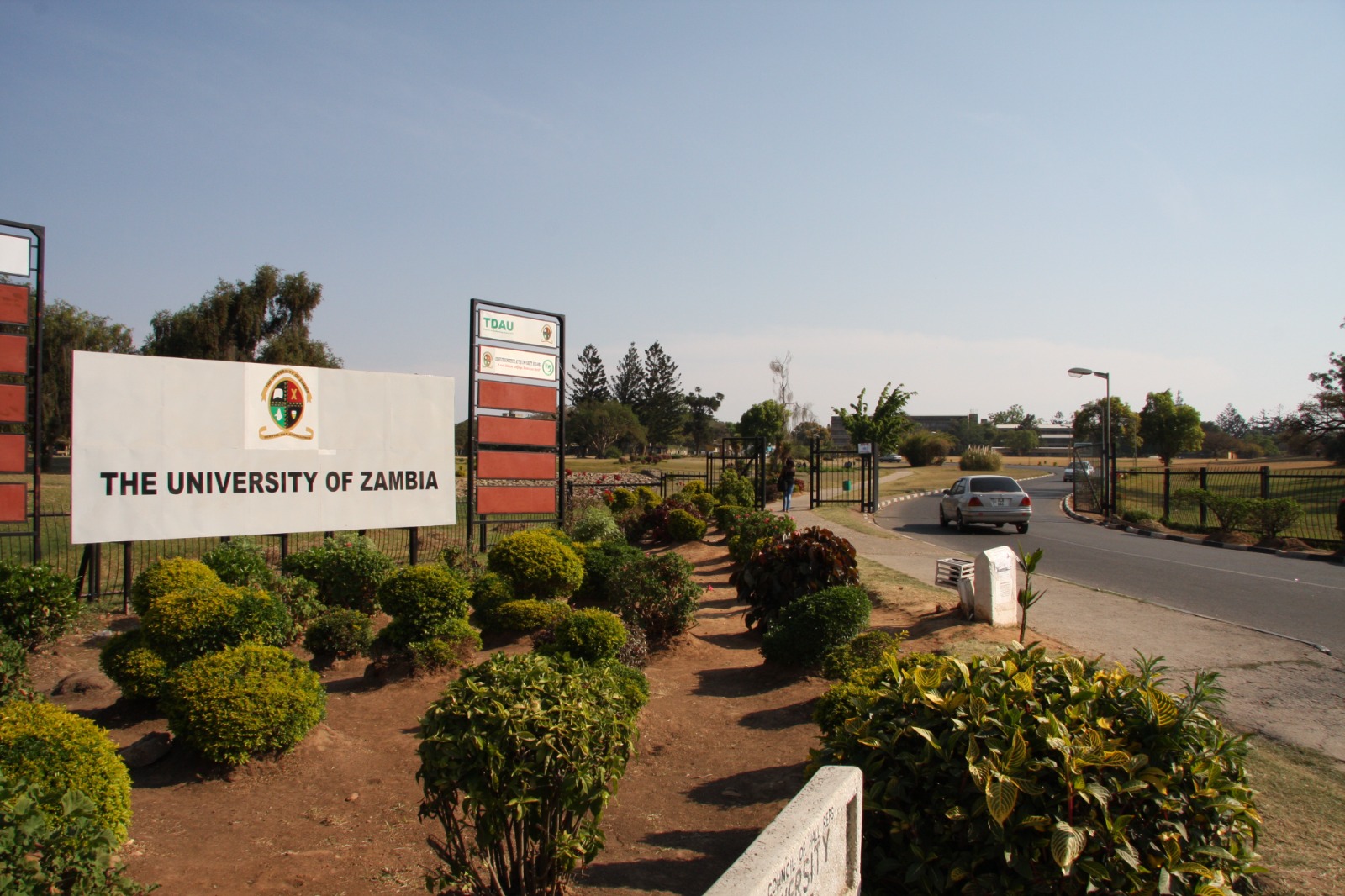
More than a decade ago, a student at the University of Zambia, in an interview with the Bulletin and Record, described the institution as “appalling.” Lecture rooms leaked when it rained. Hostels were overcrowded. Sewer systems were broken. Students lived, studied, and slept in conditions that raised a fundamental question: how had Zambia’s premier university been allowed to fall so far?
That question was asked in 2012. It remains unanswered in 2026.
Today, the images emerging from UNZA are disturbingly familiar. Flooded corridors. Broken toilets. Raw sewage leaking through hostel drainage systems. Students navigating not just academic pressure, but a daily public health risk. The sanitation crisis now unfolding is not new. It is the continuation of a long, documented decline.
The warning signs were always there.
As far back as 2012, students were sharing rooms meant for two people with as many as eight occupants. More than 30 students shared a single toilet and shower in some hostels. Broken sanitary systems were already part of daily life. What is happening today is not a sudden collapse. It is the result of sustained neglect.
But in 2026, the consequences of that neglect have become impossible to ignore.
A University of Zambia student, Emmanuel Bwalya, died after reportedly falling into a water-filled pit linked to poor drainage and sanitation conditions on campus. The incident came amid ongoing student complaints and protests over sanitation failures.
This was not simply an accident.
It was a warning that the crisis has crossed a dangerous line — from discomfort and indignity to real risk, and now, loss of life.
At its core, the sanitation crisis is not about toilets. It is about governance.
UNZA’s problems have long been tied to chronic underfunding, erratic financing systems, and a lack of long-term infrastructure investment.
Successive governments have acknowledged these challenges, yet meaningful reform has remained elusive. Reports have been written. Commissions have been formed. Promises have been made. But on the ground, little has changed.
Instead, the system has expanded without the infrastructure to support it.
Nearly three decades ago, in 1997, a Commission of Inquiry appointed by then President, Frederick Chiluba warned that Zambia’s public universities were collapsing under poor funding, weak management, and crumbling infrastructure. It recommended urgent investment in facilities, better planning, and stronger accountability. But many of those reforms were never fully implemented. Today, the consequences are visible in broken sewer systems, overcrowded hostels, and failing sanitation at UNZA—turning what was once a policy warning into a public health crisis.
Added to that, is the student numbers which have grown, but facilities have not kept pace. Maintenance has been deferred. The result is predictable: a university operating beyond its capacity, where basic sanitation systems fail under pressure.
This raises uncomfortable but necessary questions.
How does a national institution continue to function when its students are exposed to unsafe living conditions? Where has the funding for maintenance and infrastructure gone? And at what point does neglect become institutional failure?
The sanitation crisis also exposes a deeper contradiction. UNZA was established to produce the human capital needed to drive Zambia’s development. Yet the environment in which that human capital is being shaped is itself deteriorating. A university cannot claim academic excellence while failing to provide basic dignity — and basic safety.
There is also a risk that the crisis becomes normalised. That broken sewer lines, overcrowded hostels, and water shortages are accepted as part of the “UNZA experience”. That is perhaps the most dangerous outcome of all. Because once dysfunction becomes routine, accountability disappears.
What is needed now is not another statement of concern. It is a clear, transparent intervention. A full audit of infrastructure. A public breakdown of funding. A timeline for rehabilitation. And above all, political will to treat the crisis with the urgency it demands.
The tragedy is not that UNZA is failing. The tragedy is that it has been failing for years — and everyone knew.
The final question is one UNZA’s leadership cannot avoid. This is an institution that trains engineers, planners, and problem-solvers. Yet within its own campus, a basic system like sanitation has been allowed to collapse. If a university entrusted with building Zambia’s technical capacity cannot fix its own infrastructure, what does that say about accountability at the highest level?

Discover more from MAKANDAY
Subscribe to get the latest posts sent to your email.