


Conflicting Accounts and Forensic Questions
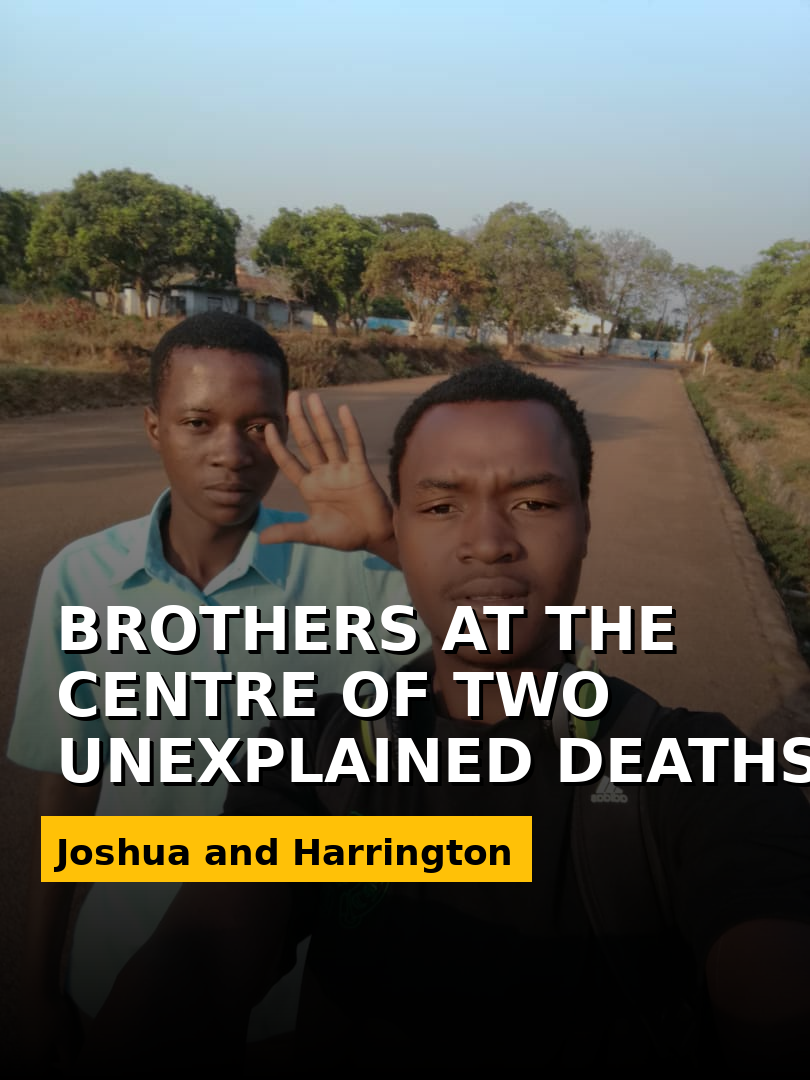
Two Lusaka brothers died hours apart after being found critically ill in their Kasama accommodation. A MakanDay investigation has uncovered gaps in recruitment records, conflicting accounts of the scene and troubling handling of critical forensic evidence. The family is demanding answers.
By Gibson Zulu
January 3, 2026 is a day Rommie Soko says she will never forget, the day she lost both her sons within hours of each other. The family still has no answers. While the police change their stories about what happened to the forensic evidence, there are no post-mortem results, and the police aren’t able to explain why, and the first officer on the scene that day was been transferred to another district.
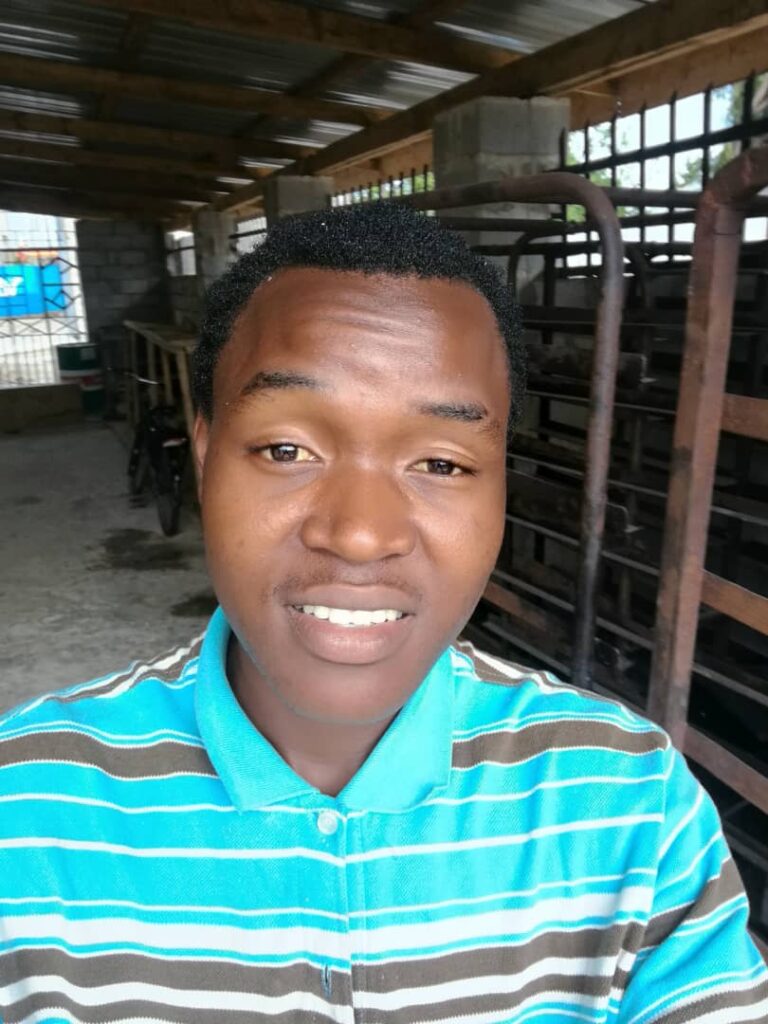
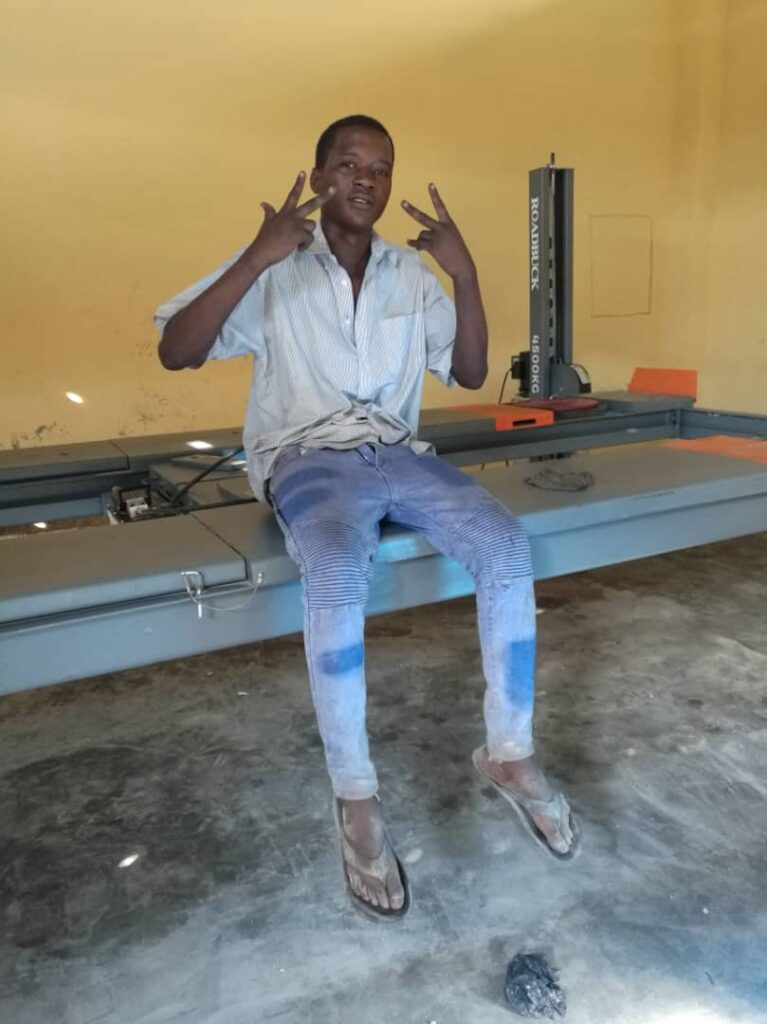
Harrington (27) and his younger brother, Joshua Mbeleko (21), had travelled from Lusaka to Kasama in northern Zambia after Harrington was recruited by a businessman to work at a vehicle fitment company. Months later, both were found critically ill in the accommodation where they were staying. One died on the scene, and the other passed away shortly after being taken to hospital.
For nearly two months, MakanDay has tracked the case, reviewed records and spoken with family members, police sources and others who are familiar with the case. While the deaths raise serious questions about how the brothers were recruited and whether these complied with the country’s employment laws. MakanDay’s investigation also raises troubling questions about how cases of this nature are handled, and whether crucial evidence was properly secured.
Rommie Soko, a resident of Mtendere, a sprawling township east of Lusaka, says she had been in regular contact with her sons. When communication abruptly stopped, she got worried.
“After several attempts (to contact them), I finally received a call from an anonymous number,” she said. “I was told, ‘Your children have been found critically ill in a room, and we are taking them to the police’. I remember wondering in shock why they were not being taken to hospital instead.”
A man who reported discovering the brothers told MakanDay he found them lying helpless inside their accommodation and alerted police.
The Discovery
A Kasama Central Police officer, who is not authorised to speak publicly, said the responding officer described a room containing scattered clothing, food remnants and work tools, including a pick and shovel.
Accounts of what the scene looked like when the pair were found vary. The police officer described a room with scattered clothing, food remnants, and tools including a pick and shovel. He noted a strong and unusual odour. The man who discovered the brothers said the smell was consistent with human waste, while family members who later visited reported blood-stained bedding and a chemical-like odour.
Recruitment and Responsibility
The brothers’ uncle, Moses Soko, said the accommodation was linked to individuals associated with the businesses where the deceased were believed to have worked. The family says they have not been given clear information about who had formal responsibility for the house or for the brothers’ welfare.
Efforts by MakanDay, including a visit to the property in Kasama, to establish ownership of the house have yielded no conclusive results. In an interview, a businessman who owns a bakery where one of the late brothers, Joshua, had reportedly found work declined to provide details regarding the ownership or management of the property.
The Kasama businessman identified as Emran Munshi, who had earlier hired Harrington, confirmed to MakanDay that Harrington travelled to Kasama to install equipment. However, the businessman said the job was completed and that he had been paid for it. He denied employing Harrington beyond that task, adding that the business was not yet operational at the time.
The family does not believe the work contract had ended. They say Harrington remained in Kasama and later arranged for his younger brother to join him for work.
No written employment contracts, payment records or formal engagement documents have been presented to the family, raising questions about compliance with Zambia’s labour laws.
Forensic Handling Under Scrutiny
Establishing what happened inside the room and what the boys died of will depend on forensic findings and samples taken at the post-mortems conducted at Kasama General Hospital. But, police seem confused about where the forensic samples from the scene and post-mortems actually are.
Family members say postmortem samples were collected before burial but were not immediately transported for specialised forensic analysis.
Police in Kasama told MakanDay that the samples were delivered to the country’s highest referral facility, the University Teaching Hospital (UTH) in Lusaka, on January 24, nearly three weeks after the deaths. Police said this was necessary as there are no forensic facilities in Kasama. When pressed, they declined to clarify where the samples had been stored during the intervening period or how their integrity had been preserved.
When MakanDay checked with UTH it was confirmed that the samples were never received.
When asked about this again, the police said the samples were “with police in Lusaka,” but did not provide further explanation.
More than two months after the deaths, it is still unclear where the samples are being held, whether a documented chain of custody exists, and when forensic analysis will be completed.
Additional questions have emerged regarding the brothers’ mobile phones. Family members say the devices were not returned and they have not been informed whether police recovered them from the accommodation.
Meanwhile, at least one of the deceased’s Facebook and TikTok accounts remains accessible and has shown visible activity in the weeks following his death. It is unclear who has access to the accounts or whether investigators have secured the devices and associated digital data as part of the investigation.
Electronic devices can constitute critical evidence in sudden or unexplained deaths, particularly where questions arise about recruitment, movement, or communication prior to the incident.
Police are legally mandated to collect, secure and manage physical and digital evidence in cases of unexplained death.
Institutional Silence
There have been no arrests and, as far as MakanDay has been able to establish, police have not brought anyone in for questioning.
Fearing that investigations at district level may be compromised, the family have reported the matter to police headquarters in Lusaka and are calling for an independent inquiry.
The Inspector General of Police, Graphel Musamba, had not responded to MakanDay’s questions by the time of publication, including queries about the delay in transferring forensic samples and the current whereabouts of those samples.
Police have not responded or issued a public update on the findings of the postmortem examinations or the current status of investigations.
Legal Dimensions
The family has raised concerns about possible exploitation or trafficking. At this stage, available information points to risk indicators rather than proof.
Under Zambia’s Anti-Human Trafficking Act of 2008, trafficking involves three elements: an act such as recruitment or harbouring; a means including coercion, deception or abuse of vulnerability; and a purpose, namely exploitation.
Other legal frameworks may also apply. The Employment Code Act of 2019 requires lawful employment contracts, safe working conditions and employer accountability. The Penal Code (Cap 87) provides for offences relating to unlawful confinement, negligence causing death and homicide-related acts.
Whether any of these provisions are engaged will depend on the outcome of investigations.
But nearly two months later, no cause of death has been publicly disclosed. No individual has been formally charged. And the physical and digital evidence that could determine what happened to the two brothers appears to remain under police control without clear public accounting.
MakanDay has further established that the officer who first responded to the case has since been transferred to a neighbouring district — whether by routine administrative process or other circumstances remains unclear.
For their family, one question persists: What exactly happened inside that room in Kasama.
Additional Reporting by Angela Mtambo | Radio Mano in Kasama
Gibson is an intern at MakanDay under the Free Press Initiative’s Journalism Graduate Internship Programme, which aims to promote excellence in journalism.
You may republish this article, so long as you credit the authors and MakanDay, and do not change the text. Please include a link back to the original article.
#MakanDayInvestigates #KasamaDeaths #JusticeForTheBrothers #PublicInterestReporting

Discover more from MAKANDAY
Subscribe to get the latest posts sent to your email.