


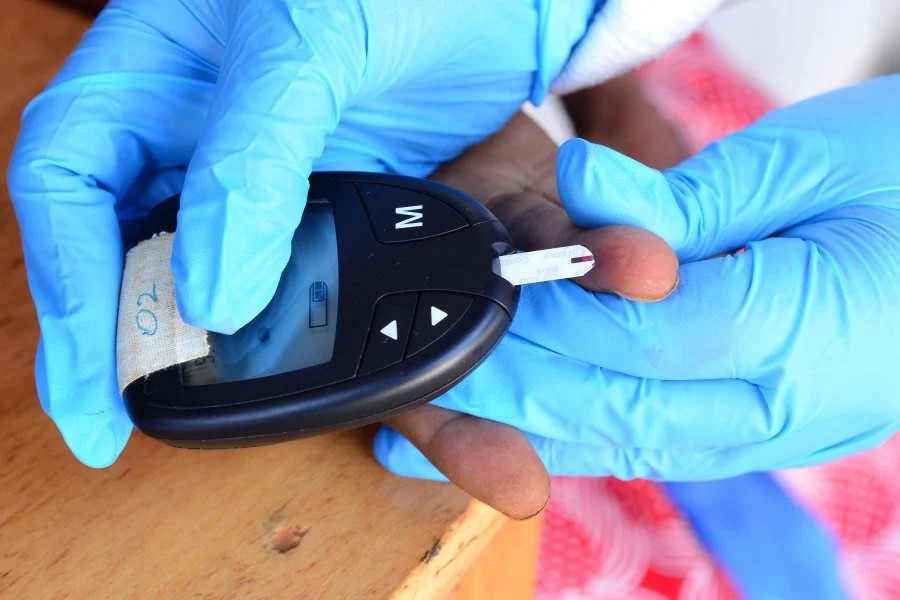
How a pharmaceutical company traded defective medication, leaving vulnerable patients exposed due to regulatory loopholes.
By Golden Matonga and Tumpale Ngámbi | Malawi
Behind the gleaming mahogany desk in the managing director’s office, a wall of polished trophies projects order and success. But an investigation by the Platform for Investigative Journalism (PIJ) reveals a darker story about one of Malawi’s largest pharmaceutical companies. Documents show the company has supplied expired and falsified medicines to public hospitals and has largely avoided charges and sanctions for these violations over more than a decade. For many poor Malawians, the consequences have been deadly.
In 2022, regulators in Malawi found that a company trading as GPSL Wholesale Ltd relabeled expired insulin and distributed it to five major hospitals in Malawi. Records confirm that this is the same company that was sanctioned and closed down. In 2013, Galaxy Pharmaceutical and Surgical Logistics Ltd was found to have supplied hospitals with faulty antibiotics linked to infant deaths.
The question PIJ set out to answer in a three-month investigation is how a medicine supplier that was previously disciplined and shut down by regulators was allowed to change its name and continue supplying drugs to state hospitals in Malawi.
During its investigation, the PIJ filed an Access to Information Act request for documents used in the Pharmacy Medicines Regulatory Authority (PMRA) inquiries. Records relating to expired insulin were released, but requests for files linked to newborn deaths caused by antibiotics were denied. The PIJ can confirm this case file was stolen from the PMRA offices during the authority’s investigation. PMRA documents also state that the theft was part of a cover-up by government officials implicated in the fraud.
Killer antibiotics
In 2013, doctors at Mzimba District Hospital reported deaths of babies born to women who had received an antibiotic called Chloramphenicol. Galaxy Pharmaceutical and Surgical Logistics Ltd supplied the medication to hospitals.
“They had seen a trend of deaths, probably five or six babies. They seized the product and brought it here,” recalls Mphatso Kawaye, who was PMRA Registrar at the time and is the current PMRA Director General.
But, the company was tipped off about the probe, and by the time PMRA investigators arrived at the hospital to inspect the medicine, all stock had been removed. The company subsequently issued a recall, but those batches also disappeared before regulators could examine them. While these actions constitute serious violations of PMRA regulations, Kawaye confirmed that the authority summoned the company for disciplinary proceedings, found it guilty of supplying faulty antibiotics, and ultimately revoked the company’s license and that of its owner. The company quietly closed.
While all medical evidence of the deadly antibiotics was buried in infant graves in Mzimba, Galaxy’s closure was short-lived. In 2019, it re-emerged under the name GPSL Wholesale Ltd. Documents confirm that the PMRA, which is the same authority that closed it down 6 years earlier, approved its application to operate a wholesale pharmacy. It was business as usual until 2022 when GPSL was caught out for supplying expired insulin to five major public hospitals.

Insulin and the poison of greed
Between January 19 and March 29, 2022, there was a critical shortage of insulin in Malawi. GPSL capitalised on the situation.
Documents track how the company bought expired insulin that had been stolen from Queen Elizabeth Central Hospital (QECH) in Blantyre, where it was waiting to be destroyed.
In Malawi, the disposal of expired medicines is tightly controlled. It requires approval from the Ministry of Health, the PMRA and the National Audit Office. Until that process is complete, expired stock must remain on hospital premises. In this case, the expired insulin was kept in a ward with a broken lock and no guard on duty.
This gave Michael Lemeka, a pharmacy technician at QECH, all the opportunity he needed. According to a PMRA investigation, he spent his lunch breaks over several weeks smuggling vials of expired insulin out of the hospital in his laptop bag. The investigation also found that Lemeka contacted Habib Goba, an illicit pharmaceutical dealer known for finding buyers for stolen hospital drugs. The Goba family’s role in this trade is well known. In 2013, Habib’s father, Bashir Hassan Goba, was arrested with stolen public medicines worth K50 million.
Habib Goba reached out to officials at GPSL and the company bought the stolen, expired insulin. GPSL recorded the purchase as if it had legitimately sourced the stolen, expired insulin from multiple suppliers.
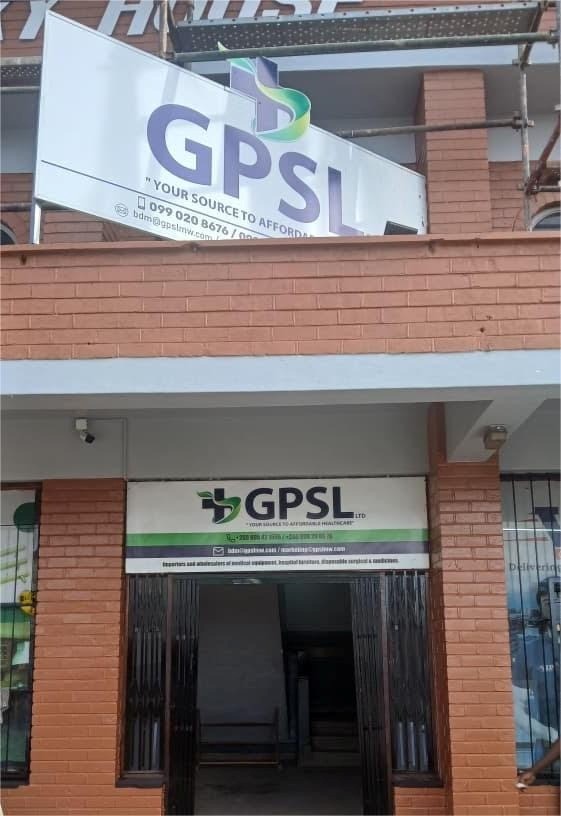
Under Malawian law, wholesale pharmaceutical companies like GPSL can only buy medicine and supplies from registered foreign suppliers and manufacturers. For example, there was only one authorised supplier, Intermed, for the brand of insulin GPSL supplied in Malawi.
In an attempt to hide the origin of the stolen insulin, the GPSL listed several companies as the suppliers of the medicine, including Brisim Medical Suppliers and Tandy Scientific & Pharmaceuticals. None of these are registered insulin suppliers, which raises questions about how they got away with it.
Company records for the period January to March 2022 also show that GPSL declared an expenditure of K38,159,500 (R365 000) for the insulin. Investigators found that the company bought the stolen stock at K5,000 (R48) per ampoule, significantly below the typical market price of K7,500, (R71) thereby making a significant margin at the expense of patient safety.
The stolen insulin was repackaged with new labels to hide the August 2021 expiry date and the original batch number JT6R236. New labels included the KS6BR28 batch number and listed the expiry date as October 2022.
Over a period of 64 days, the company distributed the relabeled insulin across five major hospitals, including 2000 vials to Mzuzu Central Hospital, 754 to Kamuzu Central Hospital, and nearly 300 to Zomba Central Hospital. Most notably, 1000 vials were supplied back to QECH from where the expired drugs had been stolen.
The scheme started to unravel when an intern at Kamuzu Central Hospital noticed the fake labels peeling off in the cold of the hospital’s refrigerator.
“KCH discovered that the insulin had expired at QECH and a technician stole and sold it to us,” KCH Director Amos Msekandiwana told PIJ.
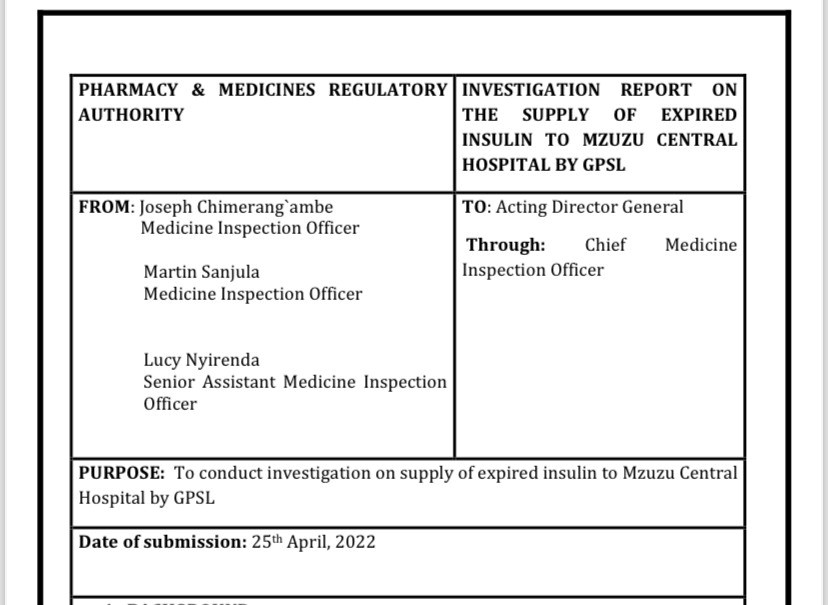
The discovery at KCH caused alarm. On April 7, 2022, the director of Mzuzu Central Hospital formally petitioned the PMRA for an investigation. Within a week, the PMRA closed GPSL’s offices in Lilongwe and Blantyre, leading to the arrest of several company directors. For a moment, it looked like meaningful accountability would follow.
The PMRA’s Technical and Disciplinary Committee found that culpability extended far beyond low-level staff. GPSL’s business manager, listed as Mr Mayank, was identified as a “central figure” who, according to documents, was “fully involved” in sourcing stock from a network of illegal, unlicensed dealers.
A PMRA report noted that reduced efficacy in expired insulin could lead to serious complications or death.
PMRA disciplinary records show that when investigators raided GPSL’s offices on 14 April 2022, expired insulin was found at its branches in Lilongwe and Blantyre. The company’s managing director, Tarang Makhetcha, later admitted to authorising payments for the goods. He denied involvement in stealing the insulin.
PMRA Board minutes record his explanation: “He indicated that after realising this mistake, he instructed his pharmacist to initiate recall of the product from the hospitals and that he had written to PMRA… although it was discovered that PMRA first received notification of this issue from Mzuzu Central Hospital (not Makhetcha).”
In May 2022, the PMRA disciplinary committee recommended that GPSL’s operating licenses be revoked and that the sanctions be made public. The PMRA board declined to adopt these recommendations. Instead, it issued a warning to the managing director and advised the company to strengthen its internal controls to detect irregularities.
The PIJ tried to contact the GPSL for comment. The PMRA registry lists Balakrishnan Bhavani and Felix Thyoka (a pharmacist who the PMRA found negligent in the insulin scandal) as GPSL contacts. The company is owned by the Maketcha family. Both the company and the family refused to respond to questions PIJ sent for this story.
The Ministry of Health told PIJ that an internal investigation found that the expired insulin distributed by GPSL caused no deaths, but PMRA documents confirm that no investigation was conducted to verify this claim.
The criminal case against GPSL that followed the insulin case has stalled in court for several reasons, including the deaths of two of the accused, including Goba, the stolen drugs vendor.
George Jobe, Executive Director for Malawi Health Equity Network (MHEN), a civil society coalition of health governance watchdogs, says:
“Medicines are meant to save lives. Any act that compromises the safety, quality, and efficacy of drugs in the health system is a grave violation of patient rights and undermines public trust.”
Links between Galaxy and GPSL
What the PMRA never investigated is any connection between GPSL and the company they had earlier closed. Those links are everywhere.
Ask a government official why GPSL is still allowed to supply medicines to state hospitals, and many will insist that Galaxy Pharmaceutical and Surgical Logistics Ltd and GPSL Wholesale Pharmacy are separate entities. But a review of official documents obtained by the PIJ tells a different story. It also shows that the PMRA itself recognizes GPSL Wholesale Pharmacy as the same company as Galaxy Pharmaceutical Ltd.
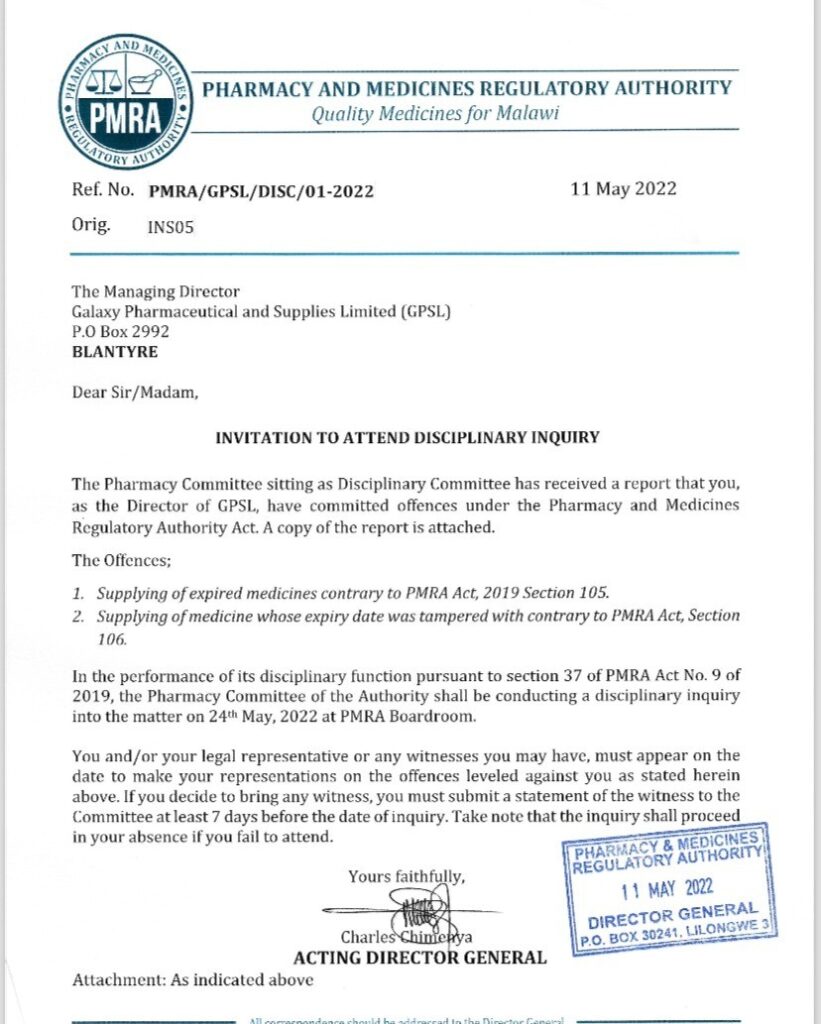
In a letter dated 11 May 2022, addressed to GPSL’s managing director, Tarang Makhetcha, and inviting him to a disciplinary hearing over the insulin case, the PMRA referred to the company as Galaxy Pharmaceutical and Supplies Ltd.
“The Pharmacy Committee, sitting as Disciplinary Committee, has received a report that you, as the Director of GPSL, have committed offences under the Pharmacy and Medicines Regulatory Authority Act,” reads part of the letter
Online, some company employees still list Galaxy Pharmaceutical and Surgical Logistics Ltd as their employer. The phone number recorded in the PMRA registry for GPSL supposedly belongs to Felix Thyoka, but the PIJ was able, using mobile money records, to trace it to Verinder Bali. Bali’s LinkedIn profile identifies him as Head of Global Marketing at Galaxy Pharmaceuticals and not GPSL.

When PIJ contacted him using the number, he denied owning the company but confirmed that the two entities are effectively one.
“Galaxy Pharmaceutical Company and GPSL are the same company,” he said.
Galaxy Pharmaceutical and Surgical Logistics Ltd may no longer appear on the government registry, but through GPSL it continues to trade freely, supplying the same public hospitals it previously provided potentially harmful drugs.
That irony of all this was evident when PIJ journalists paid the GPSL’s Blantyre offices an unannounced visit in March this year. A government ambulance was parked at the loading dock, collecting medical supplies.
Who took the blame?
When it came to sanctions over the expired insulin, the PMRA Board focused on individual negligence rather than holding the company itself accountable. It also overlooked the 2013 antibiotic case for which Galaxy Pharmaceutical and Supplies Ltd. was stripped of its license and shut down.
Following the insulin investigation, the PMRA suspended QECH Pharmacy Head Christina Mwinjiwa for failing to secure the “theft-prone” dental ward. It also recommended criminal proceedings against Michael Lemeka, the QECH pharmacy technician who removed the drugs in his laptop bag. GPSL pharmacists Felix Thyoka and Wilfred Kantchiala were suspended for six months for allowing unlicensed employees to manage company procurement.
The PMRA also only ordered the closure of the Lilongwe office. Despite stolen insulin found in their main Blantyre office as well, and despite alleged involvement of GPSL directors, the Blantyre office remained open.
“It’s a bewildering ruling,” one PMRA officer told PIJ. “What stops a company based in Blantyre from supplying drugs anywhere else in the country?”
Allegations of attempted bribes and intimidation surfaced. Current and former employees told PIJ journalists that senior government officials and politicians from the then-ruling Malawi Congress Party (MCP) applied pressure on the PMRA during its investigations. One source claimed the PMRA Board Chairperson rejected a 60 million kwacha (R566, 730) offer to drop the case.
“We don’t know if other committee members were approached, but given the final decision, your guess is as good as mine,” the source said.
Allegations that the PMRA went easy on GPSL have also been raised in the context of no evidence of a thorough forensic investigation. The PMRA report makes no mention of a forensic review, noting only that “it was observed in the clinical departments that the product was not effective in the management of diabetic emergencies, which prompted hospital users to scrutinise the product.”
Despite a PMRA board resolution ordering a public notice of the PMRA investigation’s findings, there still isn’t one. Until PIJ asked, the Diabetes Association of Malawi was completely unaware of the insulin scandal. It suggested that any investigation must have been in secret. The association’s president, Clement Mandala, said the association will gather evidence before taking legal action.
“It’s very shocking and sad. I am very angry that someone could deliberately inject our patients with expired insulin. It’s like they gave our members poison.”
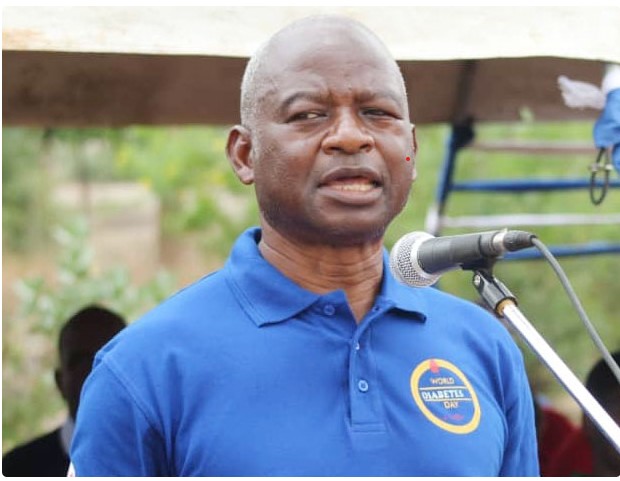
When PIJ asked why, Ministry of Health spokesperson Adriene Chikumbe said the matter is regulatory and in court.
“Until the court makes its determination, the ministry will wait. If not satisfied with the outcome, the ministry will decide on the next course of action,” he said.
University academics in Malawi who have been researching fake medicines in the country point to the close ties between PMRA and companies like GPSL and Galaxy Pharmaceuticals, which rely on licensing fees, as a reason such violations go unchecked.
A 2022 study by Kamuzu University of Health Sciences (KUHES) underscores the broader problem: 14.3% of antibiotics, antimalarials, and antidiabetics in Malawi were found to be substandard or falsified.
The human cost is clear. Among those most at risk is Mike Mackson. He is 18 years old but looks no older than ten. Dark, unhealed marks cover his head. Tethered to a drip at Kamuzu Central Hospital, he can barely speak. His diabetes is critical. Diagnosed in 2020, he’s been in and out of the hospital ever since.
“This means my son’s life is in danger,” said his father, Mackson Gwandali of TA Chadza, Lilongwe. The company, GPSL Wholesale/Galaxy Pharmaceuticals, seems to have escaped with minor punishment. It may have gotten away with murder.
This story was produced by the Platform of Investigative Journalism and syndicated by the IJ Hub on behalf of its member centre network in Southern Africa.


Discover more from MAKANDAY
Subscribe to get the latest posts sent to your email.