


By Linda Soko Tembo
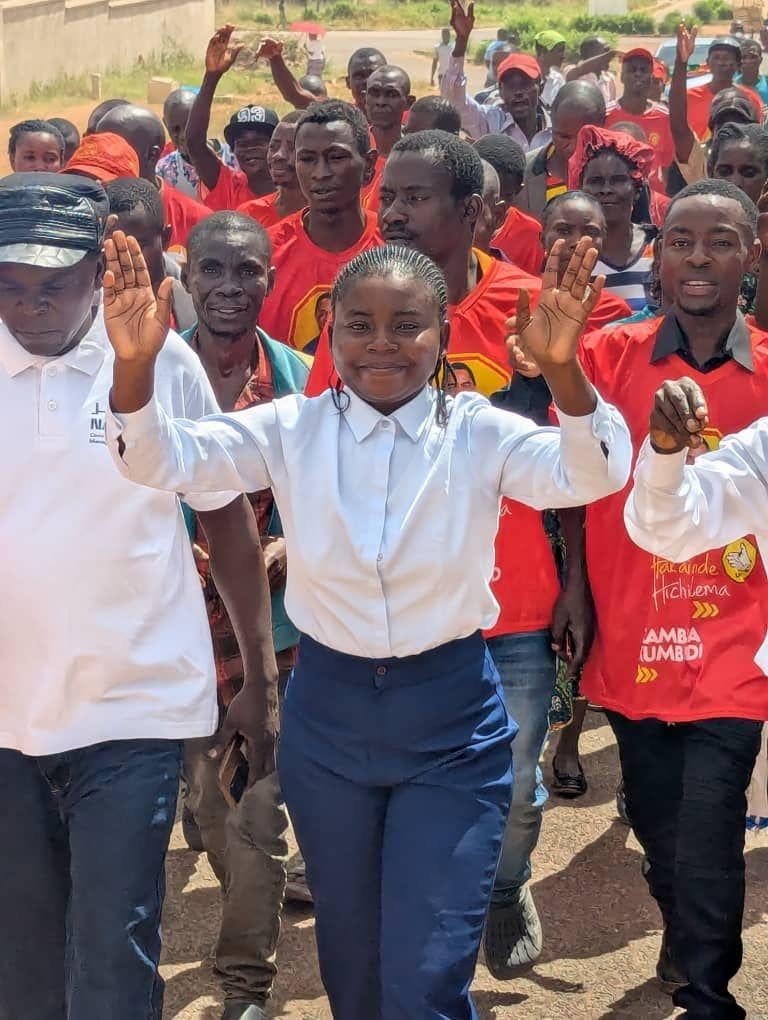
When Susan Mulala received her parliamentary nomination, she faced a difficult choice. Attend the graduation ceremony she had worked years to reach, or return home to campaign. She chose the campaign trail.
The decision reflected the determination that has come to define the 26-year-old social worker, who is now seeking to become the first woman elected Member of Parliament for Mwense Central Constituency.
Mulala, who graduated with a Bachelor of Social Work from the University of Zambia in May 2026, is contesting the parliamentary seat against veteran politician David Mabumba, a former Minister of Education who represented the constituency for 15 years under the Patriotic Front and is now contesting under the Tonse Alliance.
Born in Loto Village in Mwense district, Mulala represents a new generation of political leaders attempting to reshape perceptions about youth and women’s participation in governance.
Her emergence on the political scene has not been without challenges. According to Mulala, some critics have questioned her age and suitability for leadership, arguing that public office should be reserved for older and more experienced individuals.
“People would say, ‘She is too young to come and work for big people like you. How can such a young girl be adopted?’ Those are some of the messages that are being spread,” Mulala says.
She believes such attitudes reflect longstanding cultural perceptions that can make it difficult for young people, particularly young women, to assume leadership roles in rural communities.
Yet her candidacy has also generated enthusiasm among many women and young people across the constituency. Since Zambia’s independence, Mwense Central Constituency in Luapula Province has never elected a female Member of Parliament, making her campaign a potentially historic one.
“Many women and youths saw my adoption as a sign that leadership is not determined by age or gender. It showed that even a young woman from a rural community can aspire to represent her people,” she says.
Mulala says her nomination followed extensive community consultations, during which residents expressed a desire for fresh leadership and new ideas to address local development challenges.
Unlike many established politicians who have access to significant financial resources and extensive political networks, she says her campaign has largely been sustained through contributions from community members and well-wishers.
“My campaign is supported through contributions from community members and well-wishers. I remain committed to transparency and ensuring that any support I receive does not compromise my values or the interests of the people I seek to represent,” she says.
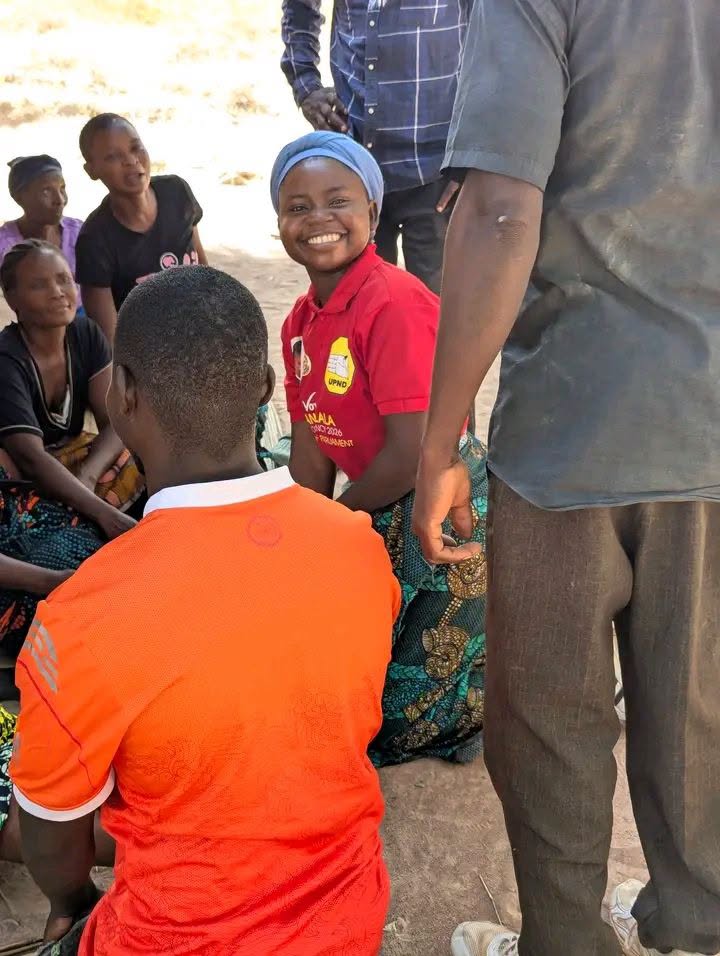
Mulala acknowledges that limited access to campaign financing remains one of the biggest obstacles facing young people and women seeking public office. However, she views the support she has received as evidence that her campaign is rooted in grassroots backing rather than financial influence.
Raised in a family of seven children, Mulala says her upbringing in rural Mwense exposed her to many of the challenges residents continue to face today. From overcrowded classrooms and poorly equipped health facilities to limited economic opportunities, she says those experiences shaped her desire to enter public service.
The daughter of Nelson Mulala and Mercy Chongo, both natives of Mwense District, she believes her background has helped her understand the everyday realities facing ordinary citizens.
As a trained social worker, she has worked closely with families, young people and vulnerable communities. She says the experience provided firsthand insight into the social and economic issues affecting many households and strengthened her desire to contribute to policy and development at a broader level.
Among the leaders who inspire her are Zambia’s Vice President and Minister Sylvia Masebo, whom she admires for their resilience, dedication and commitment to public service.
If elected, Mulala says she would focus on improving access to quality education, strengthening healthcare services, expanding opportunities for young people and promoting women’s economic participation.
Her plans include advocating for additional classrooms and improved learning facilities, supporting better-equipped health centres, promoting skills development and entrepreneurship among young people, and expanding economic empowerment programmes for women.
She believes one of the greatest challenges facing women in politics is overcoming stereotypes and cultural barriers that often discourage participation.
According to Mulala, women candidates frequently face discrimination, limited access to resources and intimidation, making it harder to compete on equal footing with their male counterparts.
She argues that stronger mentorship programmes, greater support within political parties and safer political environments are necessary to increase women’s representation in public office.
Mulala’s candidacy has also sparked discussion about the role of young people in political leadership. While many residents have welcomed her emergence as a sign of changing attitudes toward women and youth in politics, others have questioned whether young candidates possess sufficient experience for public office.
Prof. Dickson Mwansa, founder of the Zambian Open University and Sub-Chief Musangu of Chief Lubunda’s chiefdom in Mwense district, says Mulala’s decision to contest should be viewed as a positive sign of growing youth participation in governance.
“She demonstrated leadership qualities during her time at the University of Zambia, but experience remains important in public office, especially when competing against more seasoned politicians,” he says.
Similarly, Bishop Fumi Mutale of Cornerstone Tabernacle in Mwansabombwe district says age should not be a barrier to leadership but argues that voters must ultimately assess a candidate’s ability to deliver.
“The question is not age but whether a candidate is equal to the task,” he says, adding that education and youthful energy must be matched by wisdom, competence and the capacity to serve constituents effectively.
A strong supporter of gender equality, Mulala also advocates for policies aimed at protecting women and children. She supports stronger measures against child marriage, expanded educational opportunities for girls, improved child protection systems and increased access to economic opportunities for women.
On youth issues, she emphasises the importance of reproductive health education, youth-friendly health services and economic empowerment programmes that can help reduce vulnerability among young people.
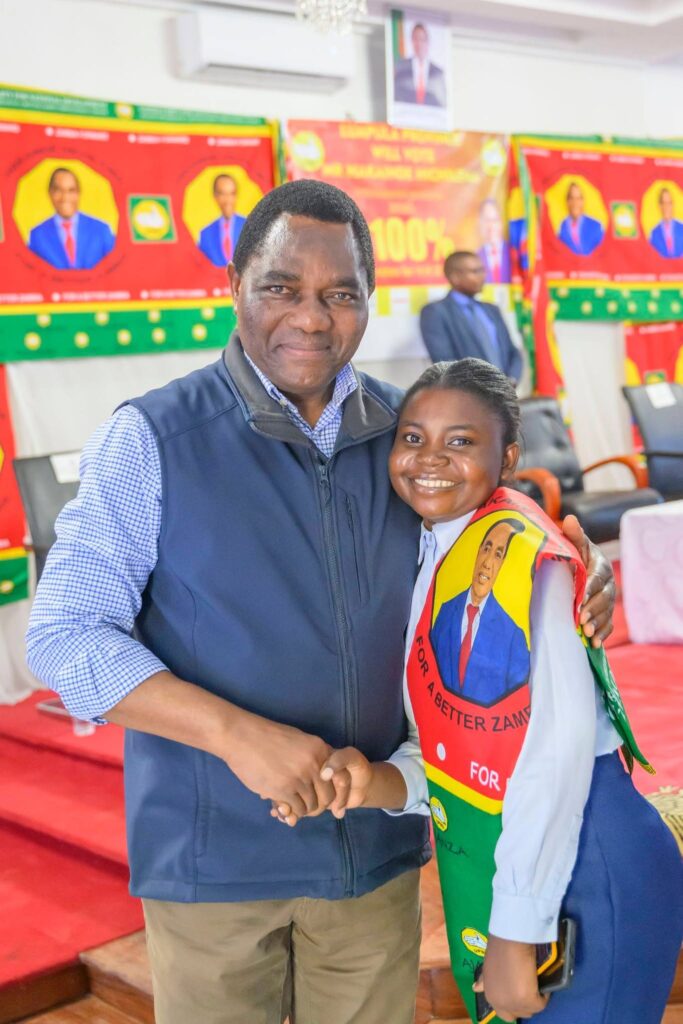
Her vision extends beyond Mwense Central. She says she wants to see a Zambia where women and girls are respected, empowered and given equal opportunities to lead, and where leadership is judged by competence, commitment and service rather than age or gender.
As Zambia heads toward the 13 August general election, Mulala represents a growing number of young leaders seeking to redefine political participation and challenge traditional assumptions about leadership.
Whether she wins the election or not, her candidacy has already sparked conversations about youth leadership, women’s representation and the future of politics in rural constituencies.
For many young women in Mwense, her presence on the ballot represents something larger than a single campaign. It is a reminder that leadership can emerge from unexpected places and that political office is not reserved for one generation alone.
#SusanMulala #MwenseCentral #WomenInPolitics #YoungLeaders #MakanDayInvestigates #ZambiaVotes2026

Discover more from MAKANDAY
Subscribe to get the latest posts sent to your email.