


By Brenda Muzeya
Crime, silence, and policing caps around Levy Mwanawansa University
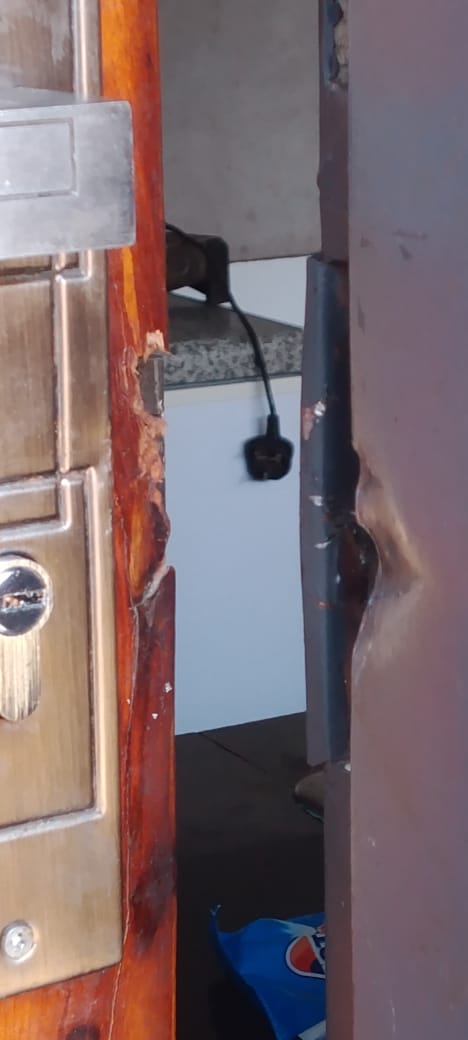
Between midnight and 4 a.m., medical students training to save lives are being attacked in their boarding houses in Lusaka’s Mtendere and Presidential Housing Initiative (PHI) areas, often just minutes from police posts. Yet despite repeated reports, police records, patrol logs, and response timelines remain unavailable.
Over the past several months, students from Levy Mwanawansa Medical University Teaching Hospital say they have become primary targets of coordinated night-time attacks involving theft, threats, and violence. Laptops, phones, and personal belongings are stolen, items essential not only for daily life, but for medical training.
“They came in groups and were very organised,” one student told MakanDay. “They took our laptops and phones, then forced us out of the boarding house to an unfinished building nearby. We thought they were going to kill us.”
Students say attacks consistently happen during the same time window, between midnight and 4:00hrs in the morning, suggesting perpetrators understand police operating patterns and response limitations.
Calls for help, late responses
Multiple victims interviewed said they called police emergency lines during attacks, with response times ranging from 30 minutes to over an hour.
“We called the police for more than 30 minutes and no one came,” another student said. “Police only arrived after the thieves had already escaped and fired gunshots into the air.”
MakanDay requested incident reports and case numbers relating to reported attacks in Mtendere B and PHI between August and November 2025. By the time of publication, police had not provided the records, despite the Inspector General of Police directing the Lusaka Division Commanding Officer to act on MakanDay’s request in a letter dated 1 December 2025.
On two occasions when MakanDay visited the Commanding Officer’s office, the officer was either unavailable or out of the office, according to his secretary.
Local leaders say the lack of timely response is not accidental.
“Bennie Mwiinga police post and Mtendere police station are understaffed,” said Mwila, a neighbourhood and youth leader. “Criminals know the police operating hours and move when patrols are weakest.”
New details have emerged about the severe manpower shortages at Mtendere Police Station, revealing significant gaps in night-time law enforcement. A police source disclosed that during night shifts, only five officers are on duty, three assigned to respond to incidents, while two remain behind to guard the station.
“We can’t afford to leave the station unattended,” the officer said, explaining why response capacity is often stretched thin. As a result, routine patrols are rare. “We only go to a place unless something is happening,” the source admitted, adding that limited manpower makes sustained patrols impossible.
The shortage helps explain the surge in thefts and attacks reported by residents, particularly affecting students from Levy Mwanawansa Medical University living in the Mtendere area. In contrast, afternoon shifts have more officers on duty, while patrols are reportedly scheduled only on Fridays and Saturdays.
For residents, the implications are clear. “It’s no wonder thieves operate freely, they know the police are overstretched,” one resident said. Students say the situation has created an atmosphere of fear. “We came here to study, not to be traumatised,” a student said, questioning whether current police responses are enough to keep the community safe.
“Bring transport”: Policing by victims?
Several victims reported being asked to provide transport for officers to visit crime scenes, an allegation that raises serious questions about operational readiness and public funding.
“We reported the cases, but nothing has happened,” said Mirriam Zulu, a medical student and victim. “Police ask for transport to go to the scene. We don’t see patrols at night.”
Public budget documents show allocations for community policing, patrol fuel, and operational logistics. MakanDay asked police command to explain how these funds are being used in Mtendere and PHI. No response was received.
Known escape routes, no intervention
Residents point to a thick forest bordering a golf club near PHI as a regular hideout and escape route for attackers.
“They jump over the wall fence and disappear into the bush,” a resident said. “It’s the perfect escape point.”
Despite repeated complaints, the area has no lighting, fencing, or visible police surveillance. Questions remain over who is responsible for securing the space—the local authority, property owners, or police, and why no preventive measures have been implemented.
University concern, but limited action
On 11 November 2025, the Registrar of Levy Mwanawansa Medical University posted on school’s social media platform, expressing concern over the “recent spate of armed attacks” targeting students living in boarding houses around PHI and Mtendere.
However, the university did not indicate whether it has conducted a formal safety audit of boarding areas, engaged police leadership on patrol failures, or provided alternative secure accommodation for affected students.
Students say the attacks are already affecting their studies, mental health, and sense of safety.
“We came here to study medicine, not to live in fear,” one student said. “We now sleep in groups and avoid late-night study.”
Brenda Muzeya is an intern at MakanDay under the Free Press Initiative’s Journalism Graduate Internship Programme, which aims to promote excellence in journalism.

Discover more from MAKANDAY
Subscribe to get the latest posts sent to your email.