

By Linda Soko Tembo
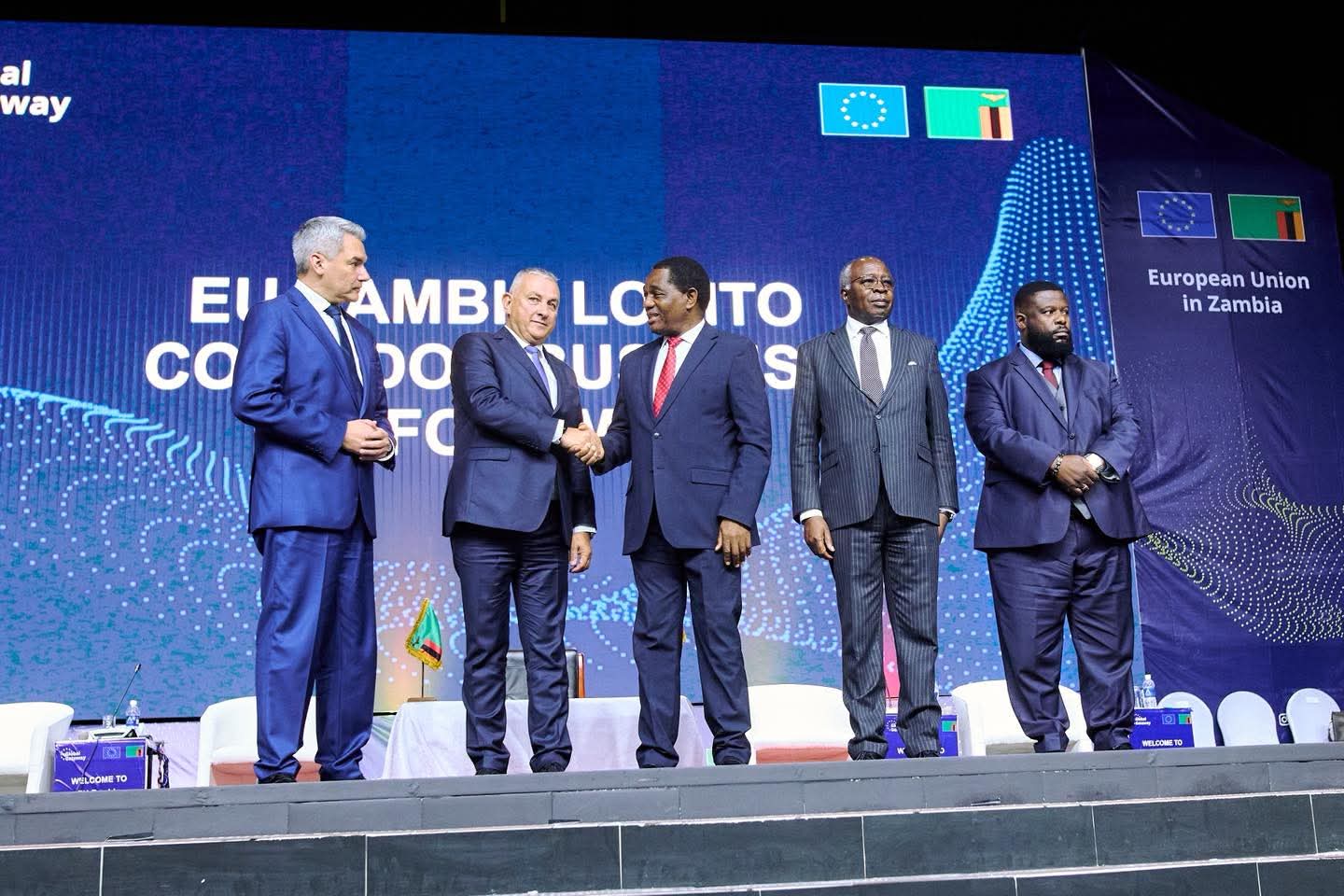
The European Union (EU) convened the Lobito Corridor Business Forum in Lusaka in November 2025, unveiling a €200 million investment package, one of its most strategic commitments to Zambia in recent years. The announcement signalled a strong push to move the Lobito Corridor from vision to implementation, positioning Zambia as a key link in a regional rail and trade network stretching from Central Africa to the Atlantic Ocean.
Yet amid the high-level engagements and financing pledges, one key partner was notably absent, the United States government. The absence raised immediate questions about the state of coordination among the project’s principal backers and whether shifting US foreign assistance priorities could affect the pace or scale of implementation.
On 17 November 2025, MakanDay submitted a press query to the US Embassy in Zambia seeking clarification on whether the US would continue supporting the Lobito Corridor following recent funding restrictions affecting some US foreign assistance programmes.
On 5 December 2025, the embassy responded through its Lusaka public affairs section, stating that the inquiry had been forwarded to relevant officials in Washington, D.C., and that further guidance was pending. More than a month later, no formal response had been provided.
The silence contrasts with official US policy statements. In a joint statement issued on 4 December 2025, the US and the European Commission reaffirmed their commitment to peace, security, and economic growth in Africa’s Great Lakes region, identifying the corridor as a central pillar of that cooperation.
The statement outlines collaboration with African governments, the EU, and private investors to rehabilitate and modernise the corridor, including coordinated financing support for the Democratic Republic of the Congo (DRC) section alongside works already underway in Angola.
This gap between public policy declarations and on-the-ground diplomatic engagement raises a critical question, how clearly defined is the US’ role as the project moves from planning to construction, and what implications does that have for investor confidence and delivery timelines?
The €200 million EU financing package announced at the Lusaka forum las year aims to inject momentum into Zambia’s economic transformation, with funding targeted at rail and transport infrastructure, clean energy, agriculture and agri-business, education reforms, and critical raw materials value chains. Anchored in the EU’s Global Gateway strategy, the package emphasises value addition, job creation, skills development, and sustainable infrastructure rather than extractive exports alone.
More than 500 delegates from Africa and Europe attended the forum, highlighting growing interest in the corridor as one of the continent’s most ambitious infrastructure and economic integration projects. The corridor is expected to reduce transport costs, strengthen regional supply chains, and open new trade routes connecting Zambia and the DRC to Angola’s Atlantic port of Lobito.
However, as financing commitments grow, so do key questions. Who ultimately bears responsibility if key milestones are delayed? How will risks be shared among governments, financiers, and private investors? And what mechanisms exist to ensure transparency as large sums of public and concessional finance begin to flow?
Opening the forum, President Hakainde Hichilema welcomed the EU’s growing investment footprint in Zambia, describing the corridor partnership as a shift from historical aid-driven relations to modern, mutually beneficial economic cooperation.
He emphasised that previous EU–Africa engagement had been dominated by political and migration issues rather than real economic development.
“Now is the time to invest together. Africa has vast resource endowments, and Zambia must harness these through a combination of assets, including capital and technology,” he said.
Hichilema emphasised the need for affordable capital, world-class technology, and efficient institutions, to unlock value across Zambia’s mining, energy, and agriculture sectors.
At the same time, he issued a firm warning on accountability, stating that the misuse of funds would not be tolerated. Referring to the €50 million grant for the Livingstone–Ndola railway rehabilitation, he pointed to past failures involving Eurobond-funded projects and stressed that transparency and delivery would be essential tests of credibility.
The question, however, remains whether Zambia’s institutional systems are ready to meet that test.
Permanent Secretary Kusobile Kamwambi, head of the Presidential delivery unit, announced that the corridor has moved into advanced planning stages, with key 2026 milestones including completion of the resettlement action plan in the first quarter, demining activities along the Angola–Zambia route in second, and a groundbreaking ceremony for the new railway in the fourth quarter.
Kamwambi described the project as a model of competitive and transparent development that will position Zambia as a central hub for mineral exports, power pooling, and regional trade.
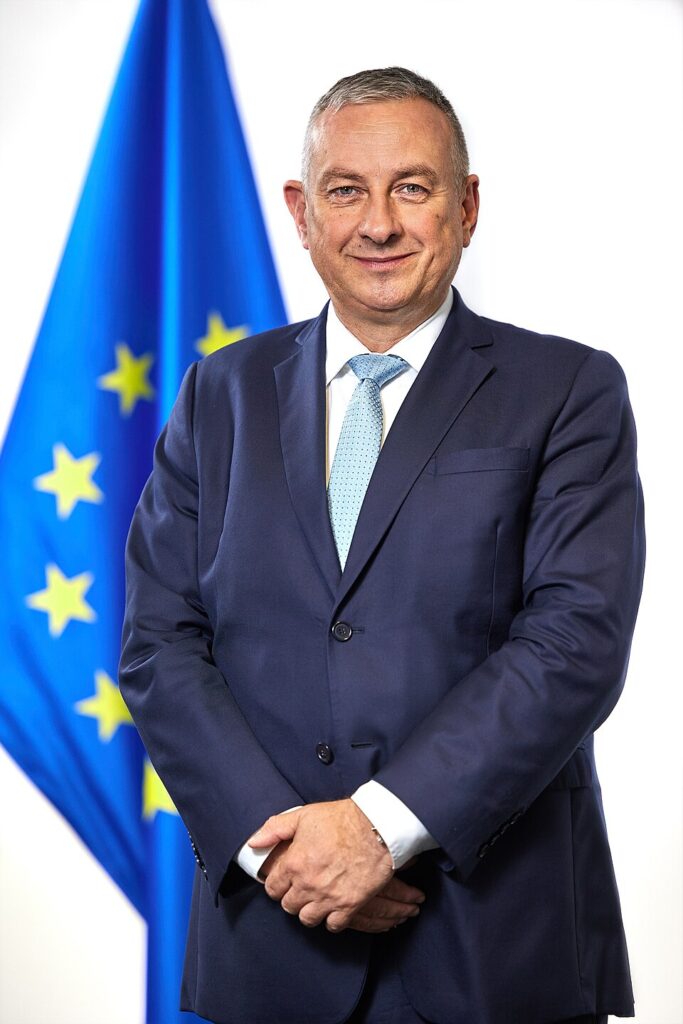
EU Commissioner for International Partnerships Joseph Síkela stressed that the corridor is not just a railway, it is a gateway to transforming natural resource wealth into real benefits for citizens.
“The EU and its Member States have mobilised €2 billion to expand the existing corridor,” he said. “Our ultimate goal, as you all know, is to connect Angola, the DRC, and Zambia to the Atlantic Ocean.”
He noted that Global Gateway investments in Zambia are already supporting mining skills development, renewable energy expansion, and the growth of local enterprises that meet international standards.
EIB Vice President Nehammer highlighted the Bank’s long-standing presence in Zambia, with over €1 billion invested since 1978 in transport, energy, water, and sanitation.
He encouraged Zambian businesses to take advantage of the EU’s duty-free access under the Everything But Arms initiative, and pointed to the Global Emerging Markets Risk Database, which shows that investment risks in Zambia and other emerging markets are often overestimated.
The EIB is also exploring support for the corridor, aligning its financing with the mining sector, renewable energy grids, and regional connectivity.
As the corridor shifts from planning to implementation, the project stands at a critical juncture. The financing promises are substantial, the political rhetoric ambitious, and the regional stakes high. What remains to be seen is whether coordination among partners will remain strong, whether accountability mechanisms will hold, and whether this flagship corridor will avoid the fate of past infrastructure projects that stalled between announcement and delivery.
For Zambia, the corridor is not only a test of regional ambition—it is a test of whether large-scale investment can finally translate into timely delivery, public trust, and lasting economic transformation.
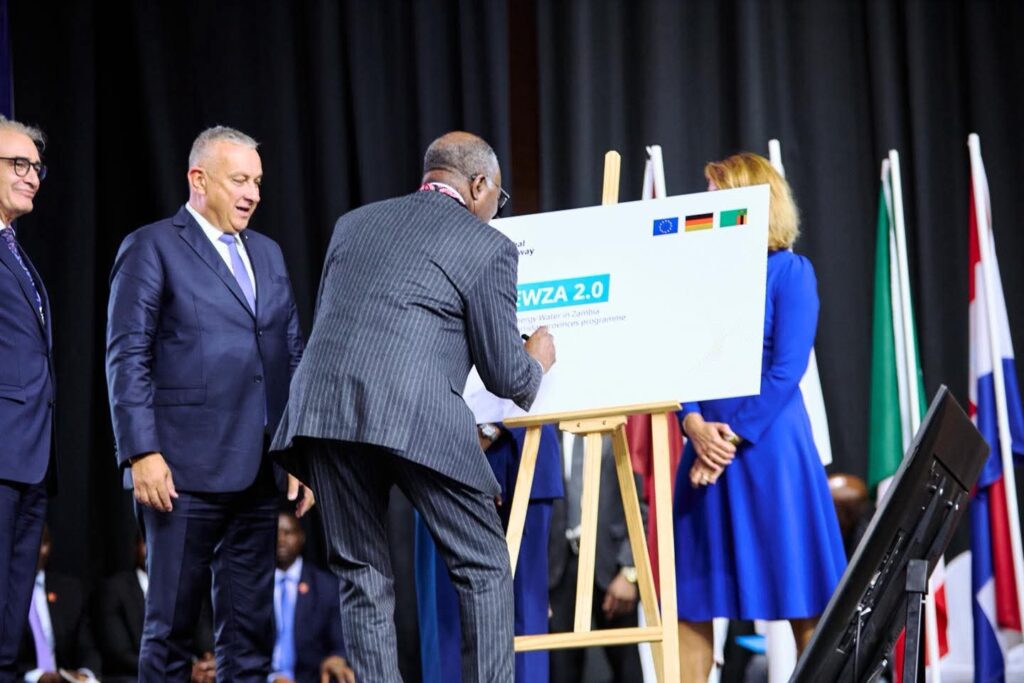
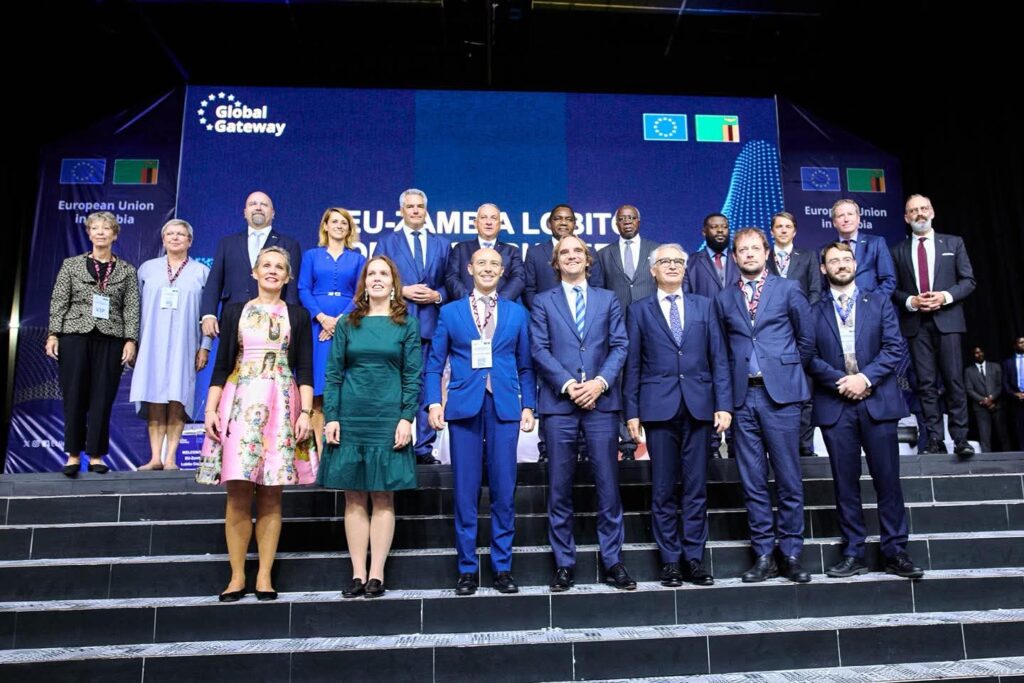
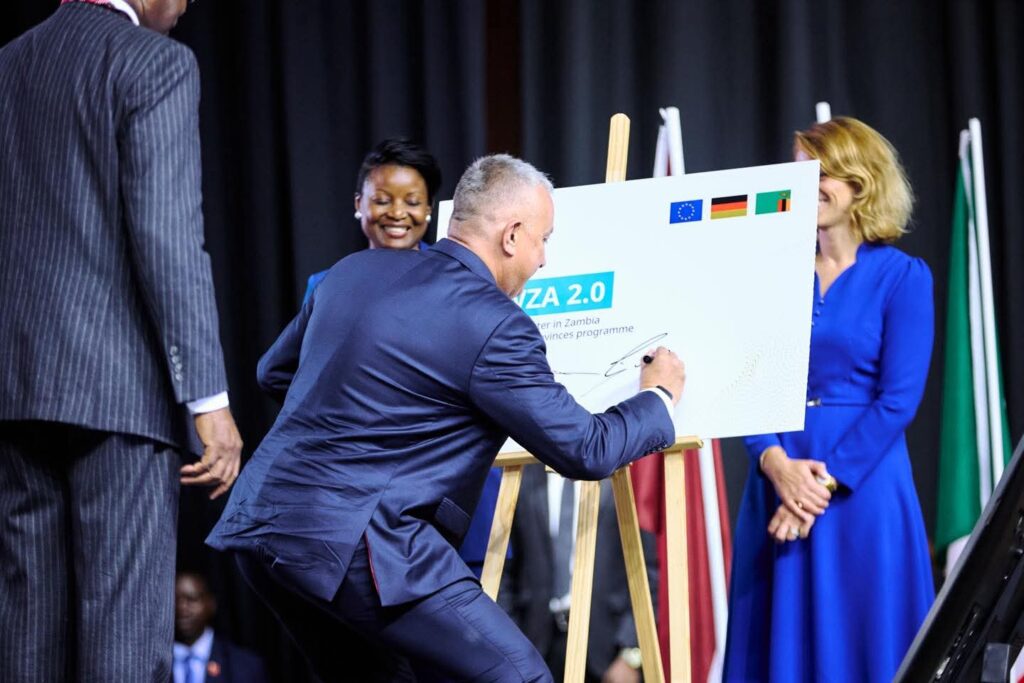
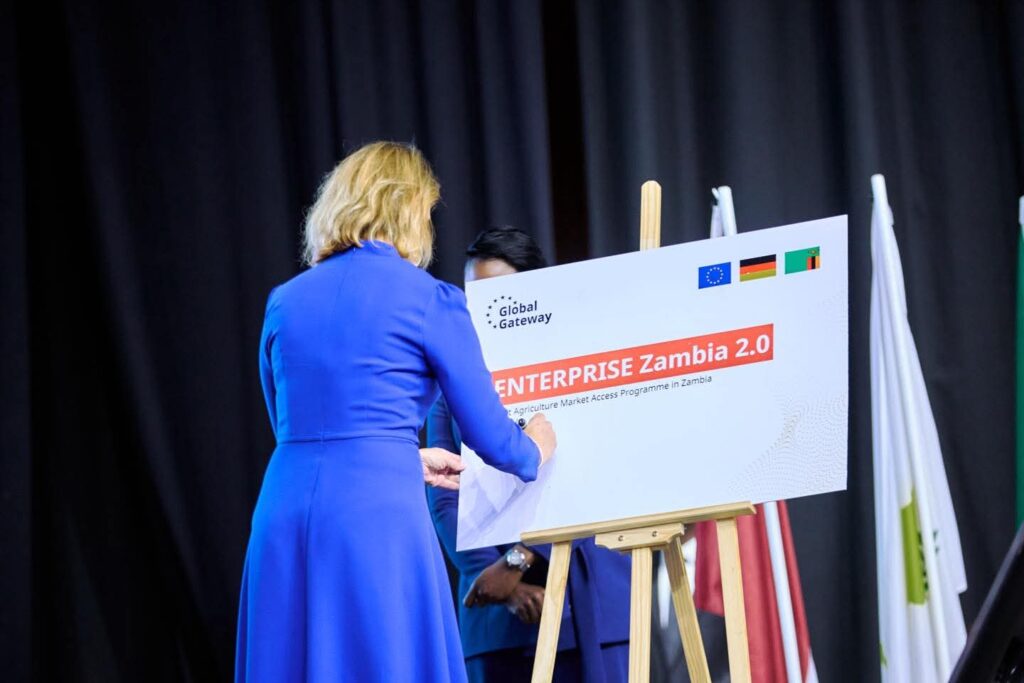
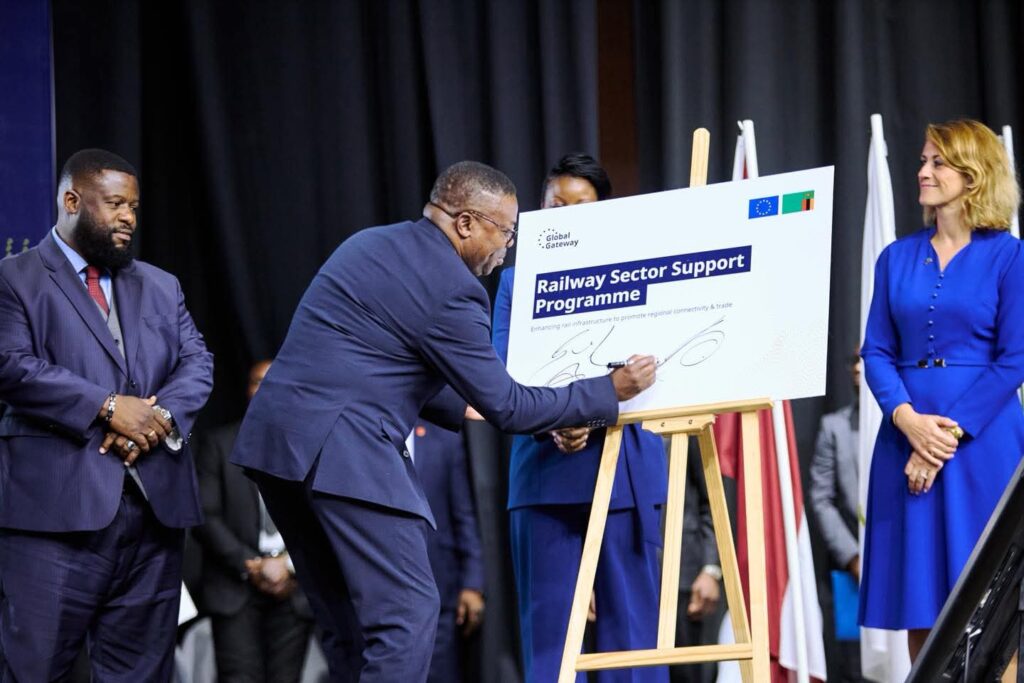
Photo Credit | EU Facebook Page

Discover more from MAKANDAY
Subscribe to get the latest posts sent to your email.