


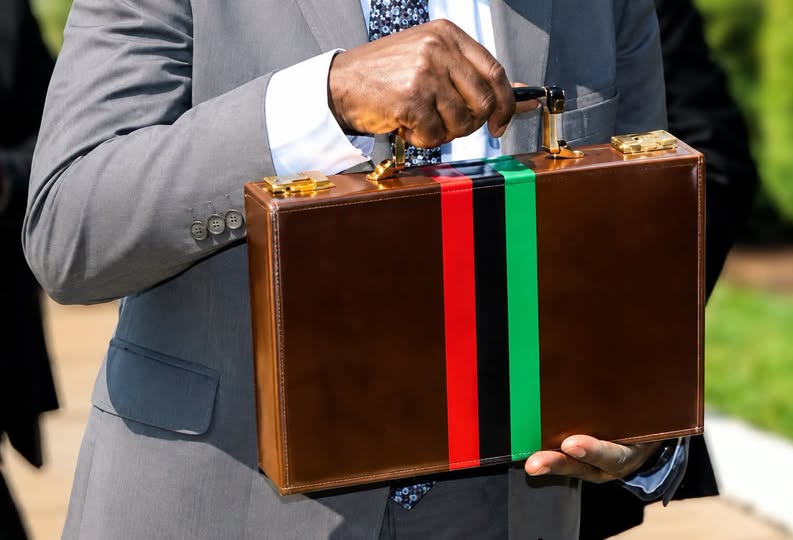
How Zambia’s Budget Works
When a parent takes a sick child to a government hospital and finds no medicine, or a pupil sits on the floor because a school has no desks, the problem often comes down to one question: how is public money being spent?
This Friday, November 6, Minister of Finance and National Planning Situmbeko Musokotwane is expected to present Zambia’s 2027 national budget in parliament.
For many Zambians, the budget presentation is an annual event filled with figures, economic forecasts and unfamiliar financial terms. But behind those numbers are decisions that affect everyday life, from the price of goods to the availability of medicines, teachers and public services.
So, what exactly happens when the finance minister stands before parliament to present the budget?
Under the national assembly’s Standing Orders, the minister responsible for finance must present estimates of how much money the government expects to collect and spend during the following financial year.
The minister’s responsibility goes beyond delivering a speech. The budget outlines the government’s spending priorities, how it intends to raise revenue and how much it plans to borrow.
But presenting the budget does not mean parliament has approved it. Once the estimates are presented, they are referred to parliamentary committees for detailed examination. The speaker then suspends ordinary business to allow this process to take place.
Under Standing Orders 2024, each committee scrutinises the proposed allocations for the ministries and departments under its oversight.
Ministers must appear before the relevant committees to explain their spending plans and answer questions. Committees may also receive submissions from other stakeholders.
For example, MPs examining the education budget can question whether the proposed funding is sufficient to improve classrooms, recruit teachers or provide learning materials.
Committees have ten working days to submit their findings to the Expanded Planning and Budgeting Committee, which consolidates the reports for parliament.
Importantly, committees can recommend changes to certain allocations, although the Standing Orders place restrictions on how money can be moved between expenditure categories.
The finance minister then moves a motion of supply, allowing MPs to debate the proposed budget. The debate may last up to ten sitting days.
Parliament subsequently considers individual expenditure allocations through the Committee of Supply.
Once that process is completed and its report adopted, the minister introduces the Appropriation Bill, which provides the legal basis for spending the approved funds.
This is why the budget is not simply the finance minister’s responsibility. Cabinet proposes the spending plan, but parliament has a crucial role in scrutinising and authorising it.
For ordinary citizens, the important question is not just how many billions of kwacha the minister announces on Friday.
It is whether their MPs will carefully question those allocations and whether the money ultimately translates into better services in their communities.

Discover more from MAKANDAY
Subscribe to get the latest posts sent to your email.