


Zambia takes pride in the word peaceful when describing its elections. Since the 2021 transfer of power that brought President Hakainde Hichilema to office, the country has been widely praised as one of Southern Africa’s more stable democracies.
But the January 29 mayoral by-election in Kasama prompts a more searching question: what do we actually mean when we call an election peaceful?
On paper, the process appeared orderly. The United Party for National Development (UPND) won the seat. The Electoral Commission of Zambia (ECZ) announced the results. Authorities recorded no major violent outbreaks. Officially, calm prevailed.
Yet reporting on the ground revealed a more complicated reality.
What stood out in Kasama was not chaos, but silence. Community leaders and residents were hesitant to speak openly about the campaign period.
Interviews often began candidly but quickly shifted into caution. Civic and church leaders stressed harmony and development, while avoiding direct engagement with allegations of intimidation or misconduct.
In politically sensitive environments, silence can function as self-preservation.
When citizens are uncertain about the consequences of speaking freely, democratic space can narrow, not through overt repression, but through atmosphere and perception.
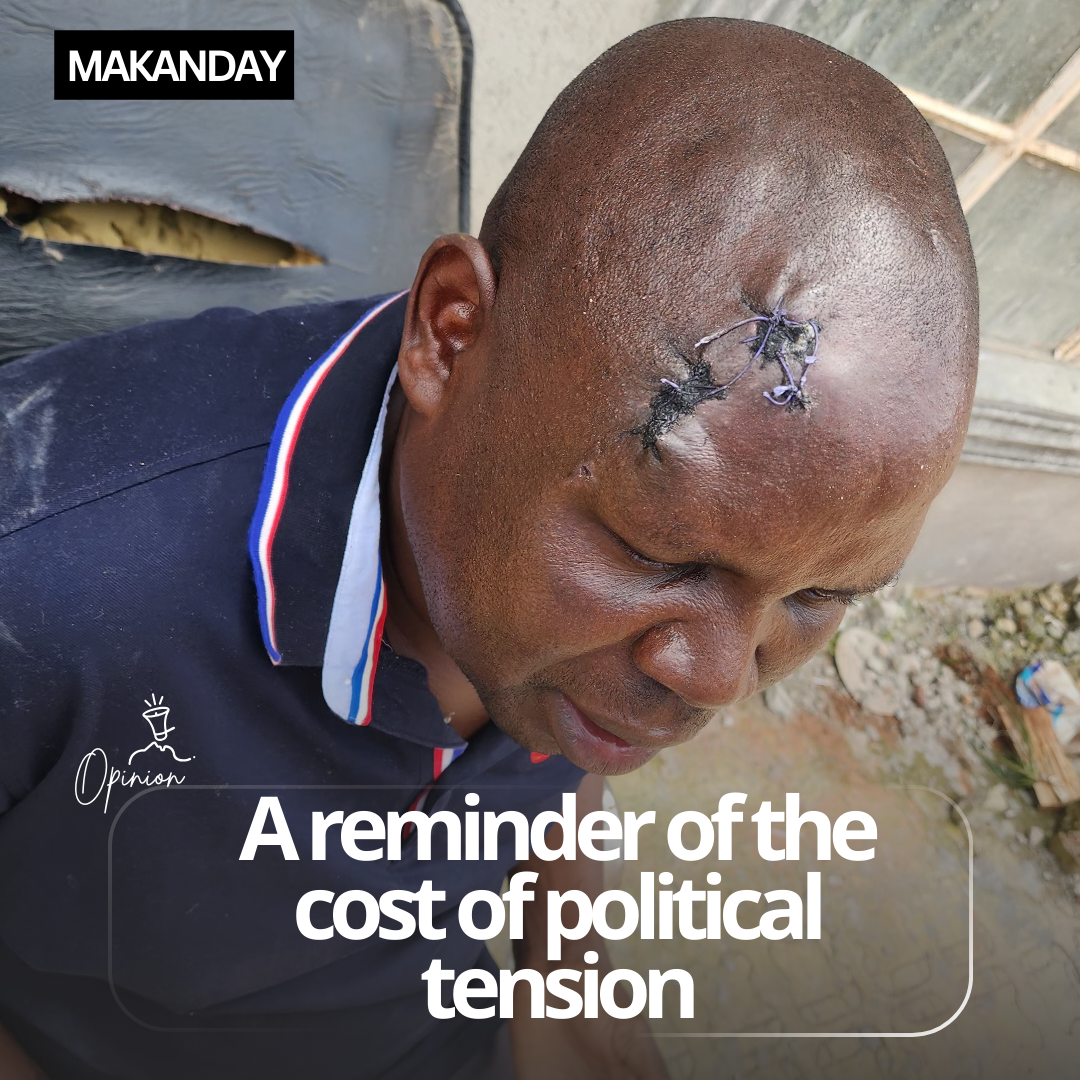
Several concerning claims surfaced during the investigation. A local resident alleged he was assaulted during the campaign.
There were reports of gunshots near the tally centre on counting night and of opposition vehicles being damaged.
Some voters alleged that they surrendered their voter and national registration cards in exchange for cash, with payments reportedly made before and after polling day.
The ECZ confirmed that it had received reports of these allegations from the opposition Forum for Democracy and Development (FDD) in a statement responding to Radio Mano in Kasama.
However, while acknowledging receipt of complaints, the Commission announced final results without publicly detailing how the allegations were assessed or resolved.
Opposition councillors also claimed inducements were offered to influence political alignment.
Many of these allegations are disputed, and some are difficult to independently verify.
The ruling party has rejected claims of wrongdoing, and monitoring groups described the election as largely peaceful despite isolated incidents.
Still, the central concern extends beyond the claims themselves. It lies in the absence of transparent follow-up.
The police maintained a visible presence but referred substantive questions to higher headquarters. No comprehensive public account of reported incidents was released. When complaints are acknowledged but not clearly addressed, public confidence can erode.
The scale of political mobilisation also drew attention. Nearly ten cabinet ministers and multiple senior officials reportedly campaigned in what is usually a low-profile municipal race.
While such activity may be legal, it carries symbolic implications. In young democracies, the line between party and state must not only exist in law but be seen in practice. Even perceptions of imbalance can weaken trust.
By-elections serve as useful stress tests. With less national and international scrutiny, they reveal how institutions function under limited oversight. They show how law enforcement responds to local complaints, how electoral bodies handle disputes, and how secure citizens feel in expressing political choices.
Zambia’s democratic progress remains meaningful. The country is not in crisis.
But democratic erosion rarely begins dramatically. It often starts with normalisation, of unanswered allegations, muted civic voices, and accountability gaps.
There is a clear difference between an election without widespread violence and an election without fear. The former may satisfy technical definitions of peace; the latter reflects the deeper strength of democracy.
If “peaceful” is to retain its meaning, it must signify more than calm streets. It must include transparency, accountability, and citizen confidence.
Kasama may not signal collapse, but it offers a reminder that democratic resilience requires constant renewal, even in elections that seem small.

Discover more from MAKANDAY
Subscribe to get the latest posts sent to your email.