

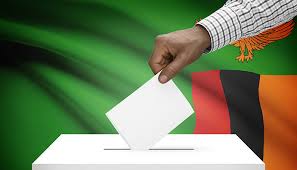
Election season has a way of exposing the true nature of politics. It is the time when politicians suddenly become highly visible, communities receive an influx of campaign visits, and promises flow more freely than at any other point in the electoral cycle. It is, quite simply, pressure season for politicians.
How one wishes politics were driven entirely by a genuine desire to serve rather than to be served. If that were the case, politicians would not have to work so hard to persuade citizens to vote for them every five years. Their record in office would speak louder than campaign slogans, rallies or expensive billboards.
Unfortunately, that is rarely the case.
As Zambia heads towards another general election, politicians from across the political divide find themselves under immense pressure to convince voters that they deserve another chance—or that they deserve one for the first time. Incumbents are defending their records while challengers are selling hope.
Both understand that, ultimately, voters will judge them not only by what they say today but also by what they have done over the past five years.
Government leaders point to achievements such as debt restructuring, infrastructure development, expanded Constituency Development Fund allocations, economic reforms and improvements in selected macroeconomic indicators. These are developments that deserve recognition.
Yet many ordinary citizens continue to judge government performance through a much simpler lens: Can they afford food? Do they have stable jobs? Can they pay school fees? Can they access quality healthcare? Are they better off today than they were five years ago?
For many households, the answer remains uncertain.
Poverty continues to affect a significant proportion of Zambia’s population despite improvements in some areas of the economy. High food prices, youth unemployment, corruption and the rising cost of living remain everyday concerns for millions of citizens. Although the economy has shown signs of improvement, many households have yet to feel the benefits in their daily lives.
This gap between national economic indicators and people’s lived experiences partly explains why election campaigns have become so intense. Politicians know they cannot rely solely on speeches or statistics. They must convince voters that they understand the realities facing ordinary people and, more importantly, that they have practical solutions.
Opposition politicians have been quick to capitalise on these frustrations. Speaking at a campaign rally in Nyimba district, Eastern Province, on 24 June, Tonse Alliance presidential candidate Brian Mundubile criticised President Hakainde Hichilema’s administration, arguing that it has focused too much on economic indicators and winning international approval while failing to improve the daily lives of ordinary Zambians.
Whether one agrees with that assessment or not, such messages resonate with voters whose circumstances have changed little despite positive reports about the economy.
What voters should know, however, is that there will be an economic storm if whoever wins the August 13 polls goes on spending money that we do not have. Like a house built on shaky ground, the country’s economy is bound to collapse in such a storm, economists have repeatedly warned. We have seen this before, particularly from 2011 onwards. Yet, most of the time, we as voters miss the bigger picture. We look up to politicians to generate wealth and share it with us, when their real responsibility is to create an environment in which businesses can grow, jobs can be created and citizens can build wealth for themselves.
The lesson for those in government is straightforward. Economic reforms, debt restructuring and improved economic indicators are important, but they must ultimately translate into tangible improvements in people’s lives. If more citizens had secured decent jobs, if more eligible students had accessed bursaries, and if more households had experienced a meaningful improvement in their standard of living, the pressure facing the ruling party during this election season would likely be far less intense.
In the absence of those improvements, promises by those seeking to unseat the incumbents become increasingly attractive, even though solving such challenges is often far more complex than campaign rhetoric suggests.
The pressure, however, should not rest solely on politicians. Voters also have a responsibility to make their voices heard between elections, not only during campaign season. They should continually ask difficult questions, demand explanations when public services fail, and hold elected leaders accountable for the promises they make.
Likewise, voters should look beyond campaign gifts, political slogans and emotional appeals. Elections should not become contests over who makes the biggest promises or attracts the largest crowds. Instead, they should be opportunities to assess leadership records, scrutinise policy proposals and reward those who have demonstrated competence, integrity and a genuine commitment to public service.
Voters also have a responsibility to look beyond campaign gifts, political slogans and emotional appeals. Elections should not become contests of who promises the most or who holds the biggest rallies. They should be opportunities to scrutinise leadership records, question policy proposals and demand accountability.
Democracy functions best when politicians earn votes through performance and integrity rather than persuasion alone. Likewise, it flourishes when citizens reward competence instead of personality, tribe or short-term incentives.
As campaigns intensify in the coming weeks, politicians will undoubtedly ask for trust once again. But trust is not built during campaign season—it is earned over years of consistent leadership, transparency and service.
Pressure season has arrived. The question is whether politicians will respond genuinely or simply another round of familiar promises.
Discover more from MAKANDAY
Subscribe to get the latest posts sent to your email.