


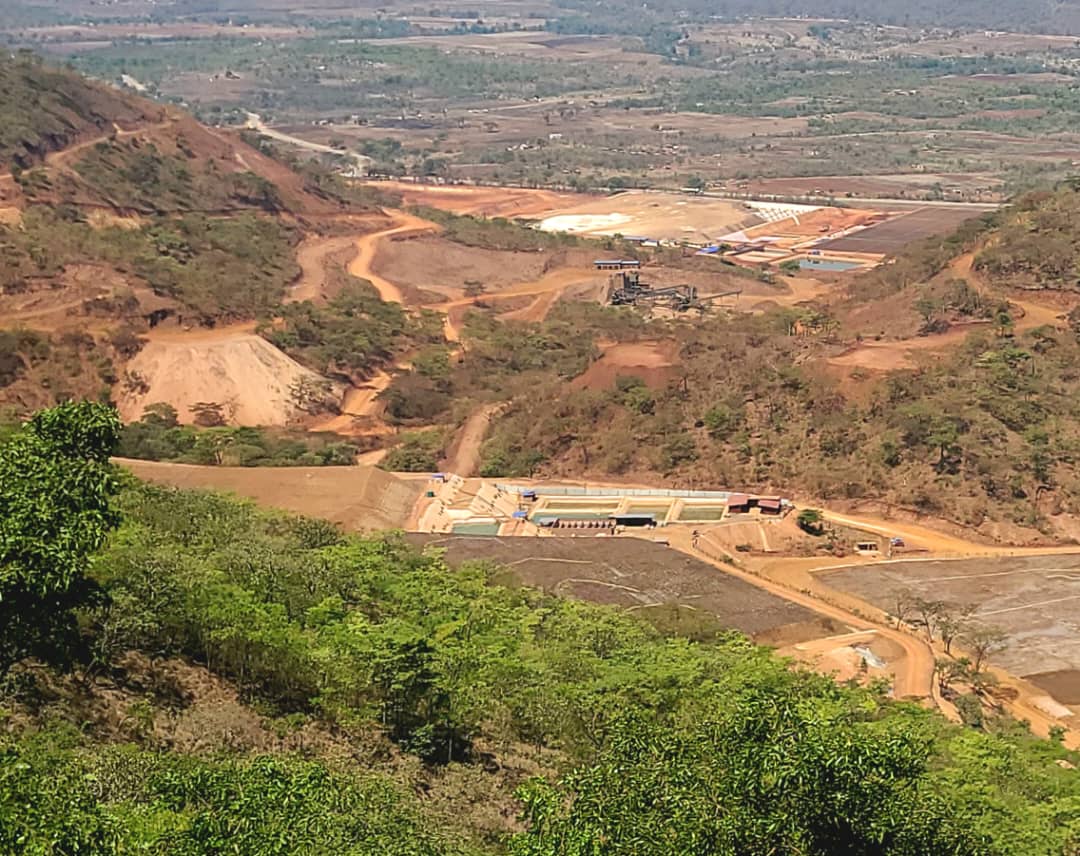
The ground underneath Shurugwi is riddled with tunnels
By Brenna Matendere/Mary Taruvinga
Shurugwi, a mining town in central Zimbabwe, sits on one of the world’s richest seams of mineral wealth. Yet, the ground beneath the town is riddled with tunnels, the result of decades of mining. Uncontrolled digging continues, often under political protection, raising fears that the town is about to collapse.
The danger is not just underground. Unregulated mining has also fuelled a rise in silicosis, an incurable lung disease caused by silica dust.
Founded in 1899, Shurugwi lies on the southern edge of the Great Dyke, a 550-kilometre ridge of mineral-rich rock that runs through central Zimbabwe and ranks among the world’s richest mineral zones. The formation contains vast deposits of chrome, platinum group metals, including platinum, palladium and rhodium, along with nickel and copper. Surrounding greenstone belts are also rich in gold, drawing both large-scale operators and artisanal miners for decades.
Much of the vast network of tunnels beneath Shurugwi dates back to operations by ferrochrome producer Zimasco Pvt Limited, which has mined the area since 1926. Zimasco is now owned by the Chinese state conglomerate Sinosteel Corporation and is still operating in the area.
Decades of industrial mining made the ground under the town unstable, and now a more aggressive wave of extraction by Zimbabwe Chenxi Investments (Private) Limited and unregulated artisanal miners has increased the risk of ground collapses.
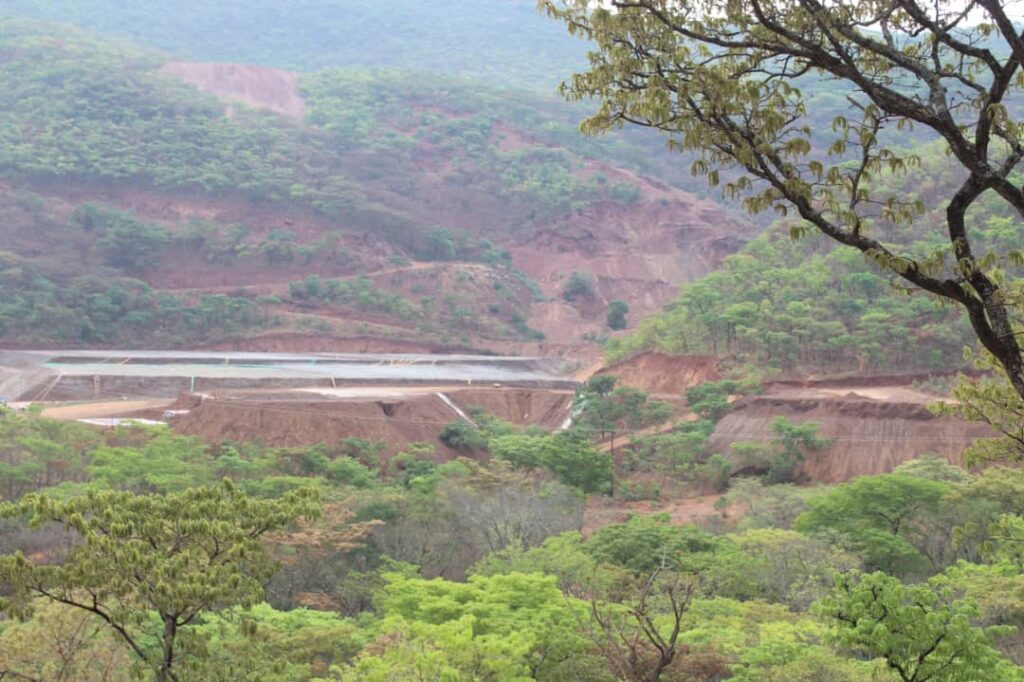
Residents and civic leaders are frustrated over the government’s inaction on long-standing complaints, particularly about Chenxi. Chenxi has cleared large tracts of land for gold mining at the Boterekwa Wolfshall Pass, which is the town’s famous natural attraction, and has been blasting near residential areas.
Chenxi is chaired by Collins Mnangagwa, son of President Emmerson Mnangagwa. Residents and civic leaders believe the company’s political connection enables it to operate with impunity.
His association with the company was publicly confirmed in 2024 by Chenxi’s then general manager, Simon Karimanzira, during a handover ceremony in Shurugwi.
The company had renovated the local offices of the ruling ZANU?PF party and has continued to make donations at events attended by senior party and government officials.
Karimanzira has since become a director of the company.
Bulle Madzitire, a former mayor of Shurugwi and now chair of the town’s Residents and Ratepayers Association (SRRA), warned that the entire town is under threat because of tunnels and continued blasting by Chenxi and artisanal miners.
“A disaster can happen at any time,” he said.
“We do not know where the tunnels run,” he said. “Mining plans were never shared with the council. With each blast, the ground becomes weaker. Homes could collapse or disappear altogether. Cracks are appearing not only in old houses but in new ones too.”
He said the residents’ association had asked Chenxi to reduce the frequency and depth of blasting, but violations continued. Constant blasting, he added, had sharply reduced property values across Shurugwi.
SRRA spokesperson Pardon Machocho described the town as “a ticking time bomb”.
We are all under threat,” he said. “It is not just homes – it is also hospitals like Shurugwi District Hospital and White Maternity Hospital. It is a crisis.”
Chenxi dismissed concerns about its mining activity in the area, calling them exaggerated. Zimasco declined to comment.
On hollow ground
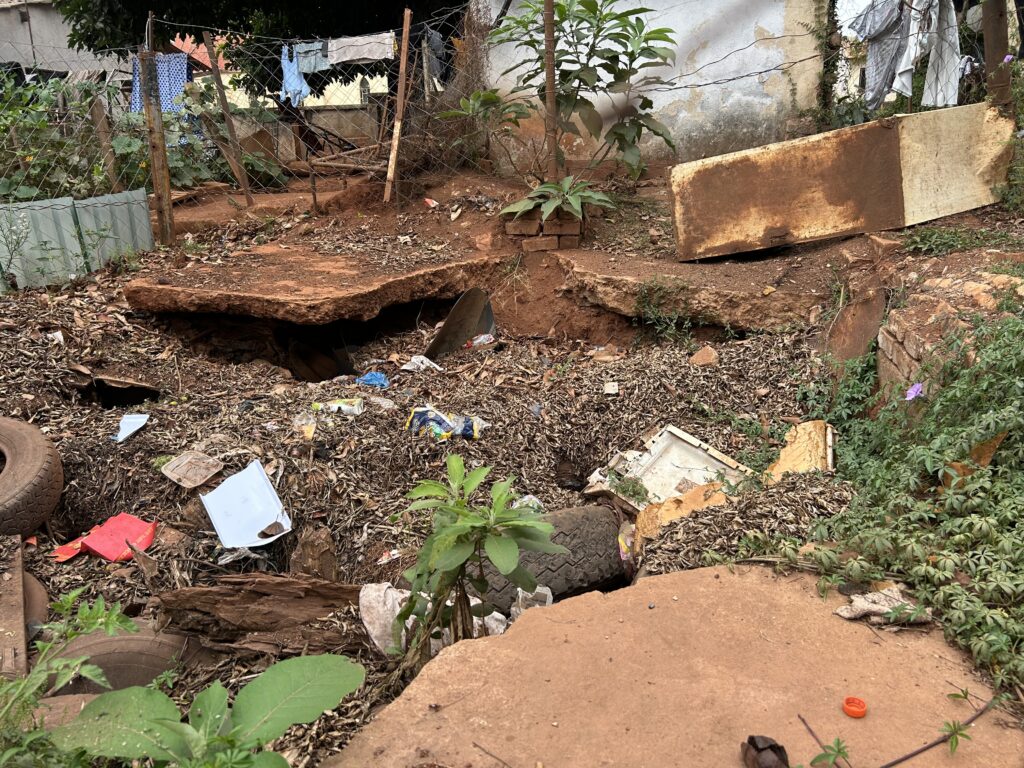
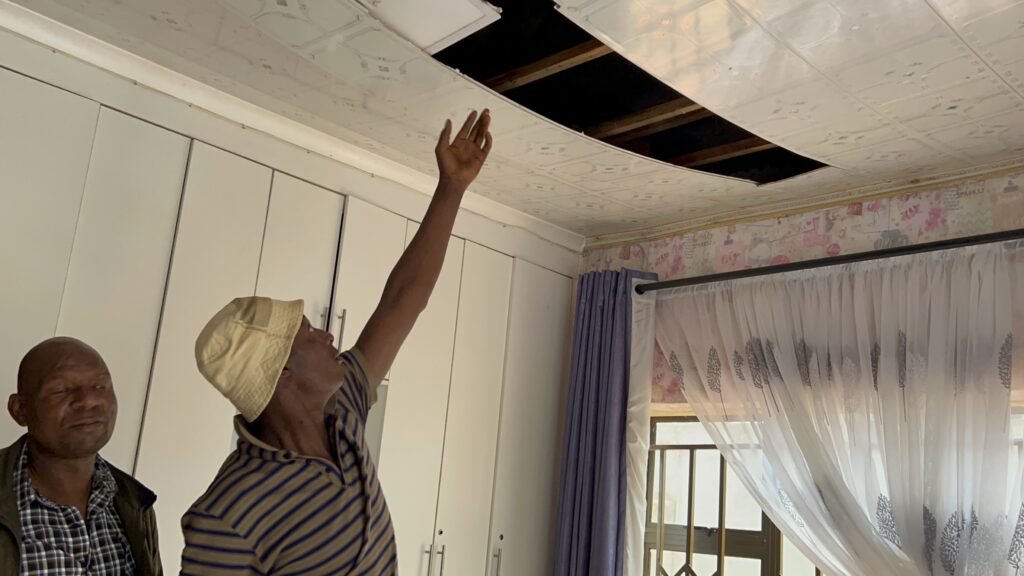
Residents told journalists from Pachena how blasts regularly trigger violent tremors that crack walls, collapse ceilings and threaten entire neighbourhoods.
Pachena’s visit to the Sebanga Extension, Motel Plots and Ironsides areas found 10 severely damaged houses. The actual number is far higher, as many residents declined to be interviewed or allow access to their homes, citing fear of victimisation or jeopardising hopes of their homes being rehabilitated.
“Each time they blast, the whole town shakes,” said Anthony Sigauke, a local businessman, whose home sits above old tunnels. “Windows crack, children cry and run for cover.”
Sigauke said a massive crack once split his property from gate to cottage, slicing through to the main house. Another blast left a hollow beneath his tiled floor.
“We reported it. Authorities promised experts. Nothing came,” Sigauke said. “We just filled the cracks and hoped for the best. But each day we live knowing we could wake up swallowed by the earth—or not wake up at all.”
Sigauke says he has spent a lot of money over the years to reinforce his house because of the constant blasting which has resulted in his property being structurally weak.
“The blasting is very intense. I assure you that you will shake and shiver if they start blasting. It’s very unpleasant and a threat to our properties and lives,” he said.
When the ground gives way
In 2009, Anna Mazvovere was swallowed alive when her bedroom, in a house in Shurugwi town that she was renting from Zimasco, collapsed into an underground shaft. Despite rescue efforts, her body was never recovered.
“They said it was too dangerous,” a resident recalled. “Then the story just died.”
Mazvovere’s daughter, Nicia Ketara, said the trauma still haunts her.
“At 17, I had to become an adult overnight. To this day, my mother has never been accounted for,” she said.
She said Zimasco paid US$3,500 in compensation.
Access to the site remains heavily restricted.
“We cannot even go near the crater,” Ketara said. “We stand about 100 metres away. They say it’s dangerous, but we are the ones living with this danger.”
Mining companies respond
Chenxi director Simon Karimanzira said claims that the company’s blasting operations were damaging homes were being exaggerated by “enemies of progress” concerned about the company’s success.
He acknowledged that residents had complained about blasting but said some of the explosions blamed on Chenxi were carried out by other mining companies.
“We blast between 5.30am and 6.45am in the morning, but some of the blasting in Shurugwi is occurring around 3am,” he said.
Karimanzira said the company had not received any complaints linking its operations to cracked houses and had not been approached by the Ministry of Mines.
“We also have nothing to do with underground tunnels in Shurugwi. You said they were constructed by Zimasco, why are you not getting a comment from them?”
However, residents’ association representative Machocho said complaints had been formally raised with the company.
“That’s why we called for meetings with them,” he said. “The blasting is causing cracks and threatening properties and lives. In response the company agreed to reduce the intensity and depth of the blasting.”
Zimasco spokesperson Margaret Mukumbi declined to comment on allegations that the company had not shared maps of its underground tunnels. She said company manager, Pindukayi Musarandega, would respond, but no comment was provided.
Shurugwi’s current mayor, Fanuel Machiya, also declined to comment despite requesting written questions.
Midlands provincial mining director John Makandwa declined to comment, while mines permanent secretary Pfungwa Kunaka also did not respond to questions about the tunnels or the risks facing the town.

Discover more from MAKANDAY
Subscribe to get the latest posts sent to your email.