

From the Bulletin & Record Archives
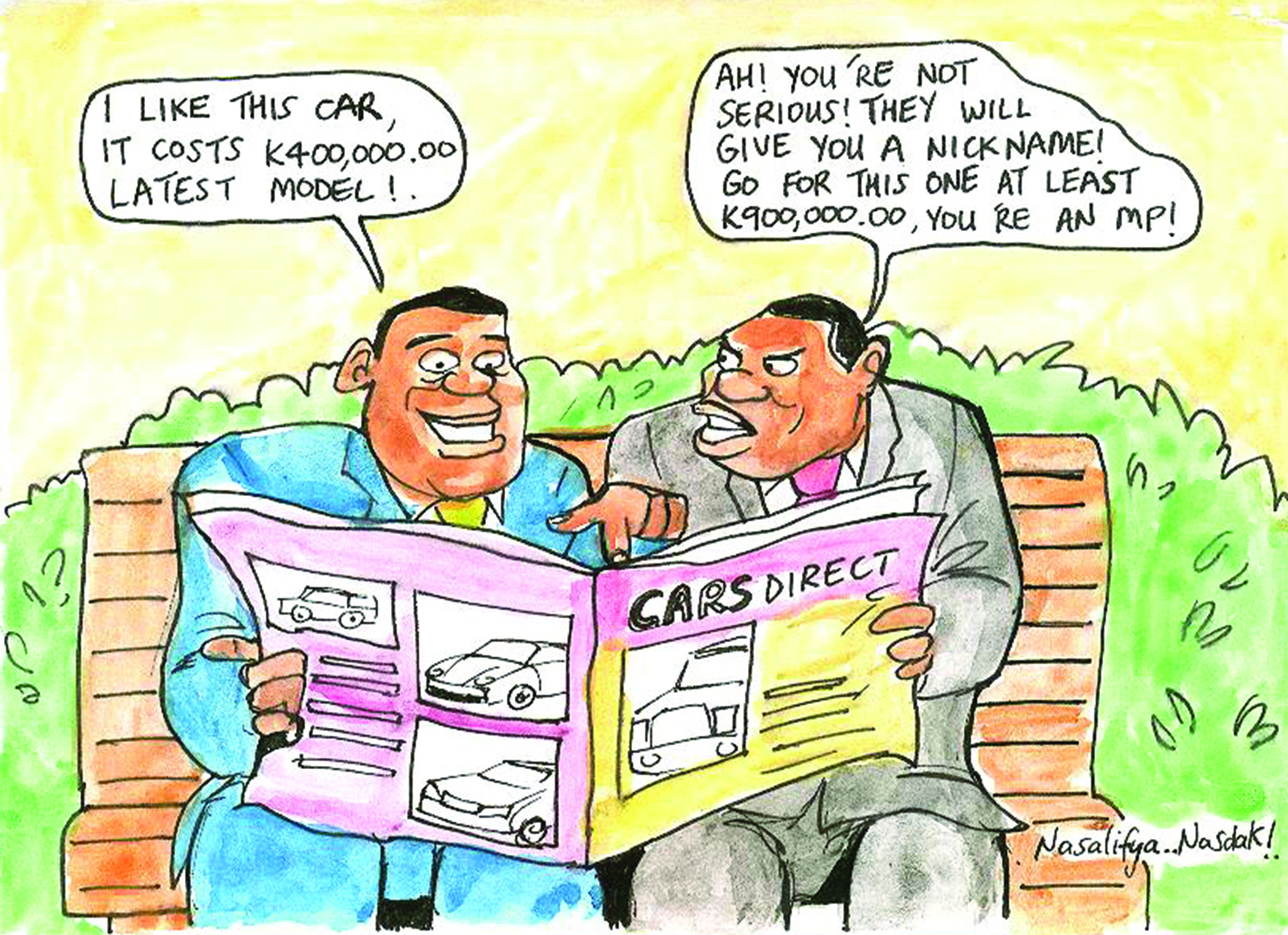
As Zambia’s newly elected Members of Parliament prepare to begin their work in the National Assembly, MakanDay reaches into the Bulletin & Record archives for a satirical piece first published by in 2014. Twelve years later, the names and numbers may have changed — but readers can decide how much else has.
By Charles Mafa
Editor’s note: This article was first published in 2014. We are republishing it as Zambia’s newly elected MPs begin their parliamentary work. To preserve the original satire while giving readers a sense of the change in the value of money, some monetary figures have been adjusted to approximate 2026 purchasing-power equivalents. They should not be read as the current salaries or allowances of MPs.
In 1776, the scholar and champion of capitalism Adam Smith published his landmark work, An Inquiry into the Nature and Causes of the Wealth of Nations.
Two and a half centuries later, we offer a rather less scholarly sequel: An Inquiry into the Causes of the Poverty of MPs.
It consists of 10 commandments, drawn from years of observing the pressures, expectations and lifestyles that can accompany political office — including the perennial debate over MPs’ salaries, allowances and gratuities.
Here, then, are 10 basic rules for turning a potentially comfortable Member of Parliament into a pauper.
New MPs, take note.
1. Become everybody’s wallet
Once you become an MP, demonstrate your love for the people by buying beer and chitenge materials, paying funeral expenses, school fees and medical bills, and giving personal money to anyone who asks.
After all, why should constituents distinguish between their elected representative and an ATM?
2. Never make a financial plan
When the money starts coming, do not make a budget.
Instead, immediately upgrade your lifestyle to match your new title. If necessary, upgrade your relationships too. Add a few expensive girlfriends or boyfriends, pay their bills, book nice hotels and make sure everybody dresses according to your new status.
Planning is for ordinary people.
3. Dress like Parliament is a fashion show
Why wear one outfit a day when you are now a public figure who appears on television?
Have several.
Visit the most expensive boutiques and, where possible, buy on credit. Everyone knows you are Honourable now. Surely the clothes must match the title.
4. Blame everybody except yourself
Whenever the money runs out, complain.
Blame the system. Blame the Government. Blame Parliament. Blame the banks for refusing to lend you more money.
Under no circumstances should you examine your own spending habits.
5. Never save small money
Do not bother saving until you have “real money.”
The original 2014 article joked about a K6,000 weekly sitting allowance. In today’s purchasing power, that is a little bit more.
Besides, there are vehicles to pay for, constituents to assist, campaigns to prepare for and lifestyles to maintain.
6. Your children must also become Honourable
Send your children to expensive schools abroad.
Why should they attend the same schools as everybody else’s children?
Give them everything they request. Buy them cars. Pay for their fuel when they return for holidays. Make sure they never experience the inconvenience of having to build their own lives.
You have connections, after all.
Perhaps somebody somewhere will eventually find something for them to do.
7. Drink according to your status
Do not drink somewhere affordable simply because the beer is cheaper.
You are Honourable.
Go where Honourable people are expected to be seen.
In 2014, this column joked about paying K50 for a beer at an expensive hotel. Adjusted roughly for the change in prices, imagine spending around K200 today.
And never drink alone. Invite friends. Let them invite their friends too.
Your wallet must understand that you won an election.
8. Buy the car before doing the mathematics
An MP needs a vehicle befitting the title.
Therefore, buy the most expensive one you can obtain — preferably one costing far more than you can comfortably afford.
Buy other consumer goods on credit as well.
If the banks become difficult, borrow from businesspeople and friends.
Tomorrow will solve itself.
9. Campaign as though money grows after elections
When the next election approaches, borrow heavily.
Dish out money.
Buy food. Buy drinks. Pay bills. Attend every funeral. Suddenly remember every village you have not visited for years.
You cannot possibly fail to repay the loans because, naturally, you are definitely going to win again.
What could possibly go wrong?
10. Keep several lawyers on standby
Finally, retain enough lawyers to defend you should someone challenge your election victory.
Lawyers are clever people. They can help you through difficult situations.
They can also help a rich person discover just how quickly money can disappear.
Follow these 10 commandments diligently and you may discover that political office does not automatically produce financial security.
And when the voters eventually decide that somebody else should represent them, all the people whose school fees, funerals, drinks, transport, businesses and personal problems you financed will surely remember you in your hour of need.
Won’t they?
Isn’t it good to be an MP?
This satirical article was originally published in 2014 and has been lightly edited and updated for republication in MakanDay Weekly in 2026.


Discover more from MAKANDAY
Subscribe to get the latest posts sent to your email.


