From the Bulletin & Record Archives
First published in the October 2014 edition of Bulletin & Record, this story takes us back to Chikuni, Southern Province, where music, dance and poetry brought generations together. Twelve years later, its message about preserving cultural identity and passing traditions on to younger generations remains just as relevant.
Charles Mafa attended the 2014 Tonga Musical Festival and discovered how music, dance and poetry were keeping Tonga cultural traditions alive.
Not even persistent wind on the first day could stop the crowd of Tonga patriots from gathering to take part in a two-day annual musical festival at Chikuni, a place sometimes referred to as “little Bethlehem”.Chikuni is known by this name because in 1905 it gave birth to the first Jesuit Catholic Mission in Zambia, just like Bethlehem, the birthplace of Jesus Christ. Even now Chikuni, which is south-east of Monze, maintains its significance as a centre of Catholic faith, education and a hub of cultural renaissance.
It is Friday, the first day of the musical festival.
Individuals from the Tonga ethnic group and others gather beneath the grey skies to partake in the music and dance that define the Tongas as a people.
One by one, individuals and groups take to the podium to participate. When it is time for veteran musician Patrick Haampongo to perform with his kalumbu, a traditional musical instrument made of a stick attached to a calabash, he plays it with great energy, interspacing its sound with his voice
The kalumbu is not just played for fun. In the past, it was played by a young man who wanted to get married.
As Jyde Hamoonga, one of the event’s organisers, explains: “When a young man is about to get married, he has to play kalumbu the whole night and the parents will ask him the following morning: ‘Have you seen someone?’ If he says no, then they will take it upon themselves to find someone for him.”
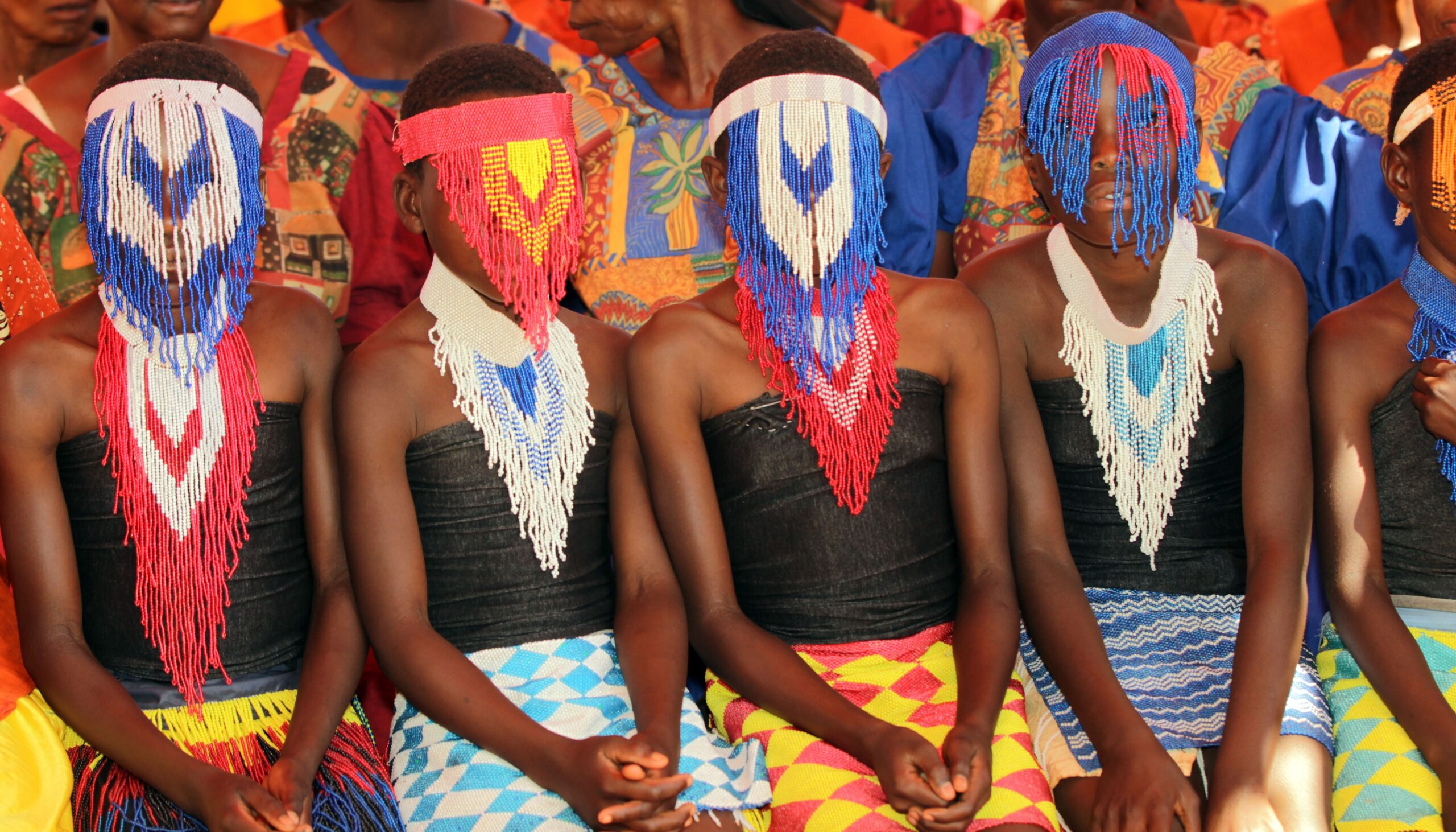
Later, a group of women play what is known as bukonkoolo. Seated in a semi-circle, they beat two pounding sticks. This kind of music is usually played indoors during funerals to comfort the widow. During a time of mourning, men tend to use poetry. They will not wail like women but would rather play the namalwa – the poetry drum. They will lament the loss of a loved one as the poetry is performed.Even the dress for each performance is different. The girls, for example, are wearing necklaces made of beads around their necks and on top of their vests as they perform ciyayaale.
This tune is normally sung in the morning by girls who are in seclusion practicing for Nkolola, an initiation ceremony. The dance performed by girls who have come of age involves moving the legs as a way of flexing the muscles.
Music and poetry very much form part of the Tonga tradition. Through this annual music festival, the Tonga people are exploring the traditions of their past and reconnecting them with the present. Amidst shouts of nkosadi, meaning concert, several hundred guests dance and jiggle, their voices blending and their sentiments united. The event, now in is the fourteenth year, demonstrating the spirit of harmony and joyfulness of those who call this land home.
“This is the combination of poetry and traditional music. It speaks of the Tonga people’s livelihood from birth to death. You have got songs, tradition and culture that are used at specific times,” Mr Hamoonga says.The Tonga Musical Festival, one of the country’s largest cultural events, is the brainchild of Chikuni Radio. Its main aim is to promote a sense of belonging and cultural identity among the Tonga-speaking people.
The festival facilitates the passing down of traditions by the older generation to the young ones. The family-oriented event is a delightful coming together of all ages of Tonga people, attracting people from far and wide.
Michael Baird, a British national who was born in Zambia, has travelled all the way from the Netherlands where he lives to come and witness the event. As a musician, drummer and composer, he loves what he is seeing and hearing. He is also worried that “traditions in most developing countries are disappearing” and “we’re headed towards a mono-culture”.“They [the West] want all of us to eat McDonalds, all of us to drink Coca Cola and it is terrible because cultural diversity is so important on this earth,” Mr Baird explains. “There is so much fantastic music here, roots music. All the muzungus [whites] in the West and in the east, they’re very interested in this. At world music festivals in Europe, they’re always looking for something new and the old music is disappearing so fast. It’s a tragedy!” Fr Costa Cheepa, a priest and former chairperson of the Inculturation Commission for Monze Diocese, explains that although the Tonga Musical Festival honours tradition, it is not in a rigid manner. Its intention is to allow people to connect with their culture and Christianity in a modern way, so that they can be both proudly Tonga and citizens of the global village.
“There should be dialogue between faith and culture.
This should be equal,” Fr Cheepa says. “The church has something to offer and tradition has something to offer. The church is found everywhere, so if we promoted such values, such customs, they would have not died.
”The 2014 theme is Cakaanza bimbe sikakonze munaanizigwa (a bird that can’t swoop for fish can learn from the skilled ones), reflecting not only the importance of learning from the old but promoting and preserving cultural identity and heritage.
Aptly so, the Catholic Church in this part of the country is not only involved in promoting cultural identity but preserving it as well. In the 1960s, the idea to set up the Mukanzubo Cultural Research Institute was mooted and today it is at the centre of cultural preservation.
“A house without a proper foundation will always collapse,” says 56-year-old Yvonne Ndaba of Mukanzubo. “Through Icizyano ca mutonga (the Tonga dance), we’re teaching young girls to overcome challenges of life. We also do initiation for girls who have come of age.” At the musical festival, Ms Ndaba and her team from Mukanzubo are busy. “We’re the torch of the modern world because young people have forgotten their own culture. To those who’re watching our performances, they will benefit through the music because it comes with assorted messages.”But what does the younger generation have to say about this?
A collection of young women and men attending the event told the B&R that they are there because they believe it is important to embrace and celebrate their culture. They said they wanted to find their own way of honouring tradition and, at the same time, entertain current cultural trends. One participant from Lusaka said this was one of only a handful of occasions where she could enjoy and express her culture.
In recent years, the event has run from Friday to Saturday, with both days reserved for competition, while more experienced bands come in to entertain the people.
“We have 85 bands that are competing and 25 bands that are showcasing different but traditional Tonga music,” says Mr Hamoonga, who is also Chikuni Radio’s programmes manager. Musical groups such as Green Mamba, Masaka and the Cibweze Bands, who have competed in the past and since established themselves as successful musical outfits, are here to entertain the revellers.
“A lot of the traditional music was really dying, so for Chikuni, being a community radio, it was decided that we will be playing 90% traditional or local music. So, alongside that, every Saturday, traditional music is recorded at the radio for airplay.
Then it culminates into the music festival which we host every year.”
Many at this year’s event have enjoyed the unique performances and creativity of the local musicians. Mr Baird, who has also been recording some of the Tonga traditional songs, says: “For the first time in my life, I heard mantimbwa. This is an instrument I have never heard in my life. This old lady is playing a bucket with the bowl and she uses her chin. She gets three notes out of plucking the string. Eeeh, what is this? It is pure African musical genius. It is Zambian genius. Don’t let it disappear. All these are important for the future of the nation because it is identity and you need your own identity.”
After all the exertion of singing, dancing and fun, the event comes to an end. It is estimated that over 10,000 people attended this year – the highest head count at the festival so far. If you are a music cultural enthusiast, next year’s Tonga Musical Festival is not to be missed.
Discover more from MAKANDAY
Subscribe to get the latest posts sent to your email.