


By Charles Mafa
The United Nations commission investigating the recruitment of foreign nationals into Russia’s military has explained why Zambia was excluded from its latest findings on human trafficking, despite reports of Zambian nationals being drawn into the war in Ukraine.
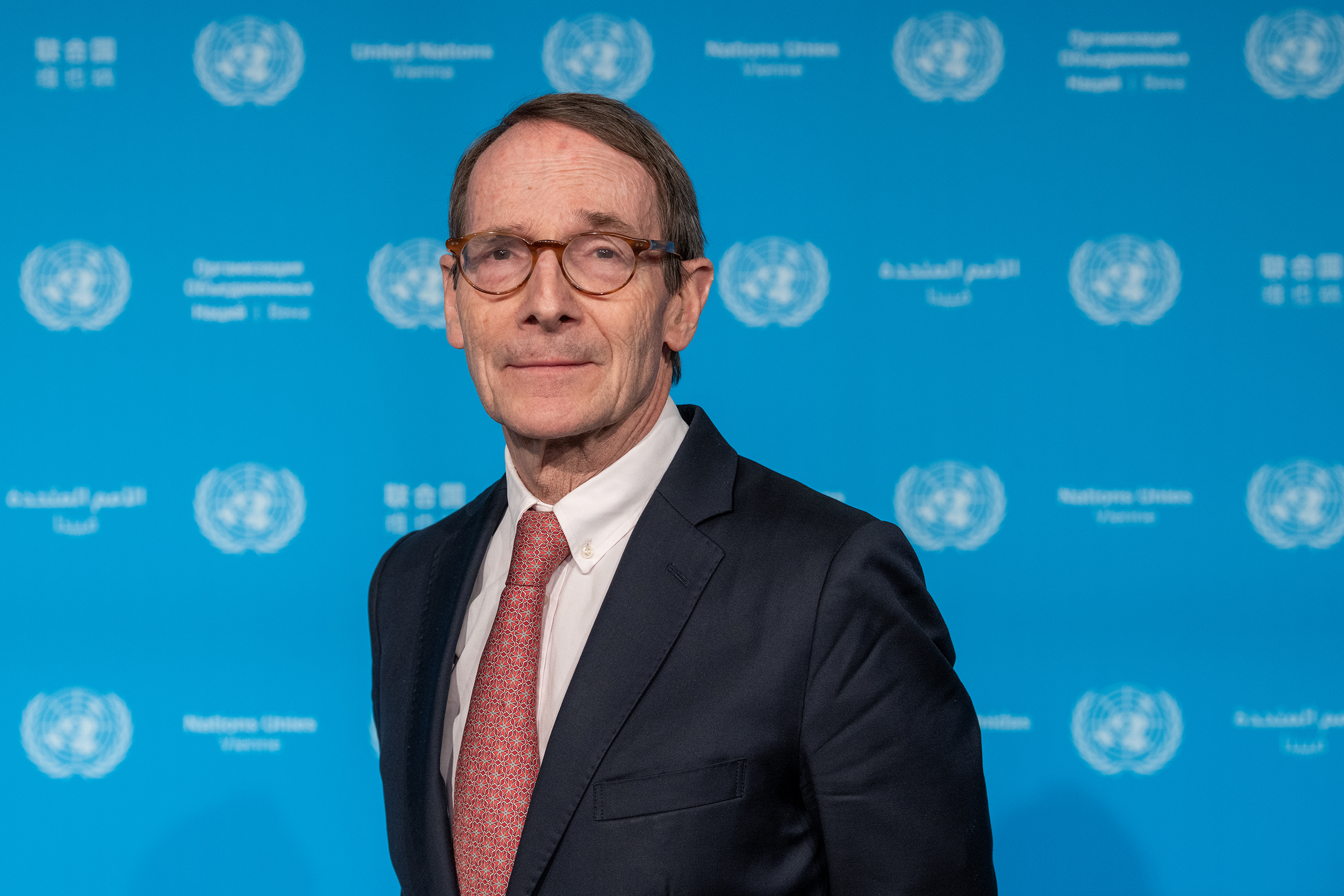
In an exclusive interview with MakanDay on Tuesday, 27 October 2026, Erik Møse, Chair of the Independent International Commission of Inquiry on Ukraine, said investigators had examined allegations involving Zambia but had not obtained sufficient corroborated evidence to make a formal finding.
The commission’s latest report, submitted to the UN General Assembly, identified evidence of deceptive or coercive recruitment involving nationals of 29 countries, including 11 in Africa. Zambia was not among them.
Møse stressed that Zambia’s omission should not be interpreted as evidence that trafficking had not occurred.
“We have not been able to find evidence to corroborate the incidents brought to our attention in order to find the necessary threshold to make a finding with respect to Zambia,” he said.
He explained that the commission had examined recruitment involving nationals from 48 countries but reached substantiated findings concerning only 29.
“This does not mean that there was no trafficking in those other countries, including [Zambia],” he said, adding that the commission needed a sufficiently solid evidential basis before publishing its conclusions.
Zambia’s case
The explanation comes against the background of concerns over Zambians recruited or otherwise drawn into Russia’s war against Ukraine.
In 2022, a Zambian student who had been serving a prison sentence in Russia died fighting in Ukraine after being recruited by the Wagner private military group.
Asked whether the commission had investigated the student’s death or similar cases, Møse said its latest report did not address individual cases.
The report instead examines broader patterns of recruitment through deception or coercion, including cases in which foreign nationals were promised civilian employment in Russia but subsequently compelled to join its armed forces.
According to the commission, recruitment agents operating in different countries advertised jobs offering attractive salaries, organised travel to Russia and assisted with visas and other documentation.
Upon arrival, some recruits were handed over to Russian military authorities and compelled to sign contracts written in Russian, a language many did not understand.
The men were subsequently deployed to the frontlines in Ukraine, where many were killed, injured, captured or reported missing.
The commission concluded that Russian authorities, working with recruitment agents, had trafficked foreign nationals into military service in violation of international human rights law.
Previous investigations raised concerns
MakanDay has previously reported on Russia-linked recruitment activities targeting Africans, including the Alabuga programme, which advertises employment and educational opportunities to young people.
In January 2025, MakanDay republished an investigation by independent Russian journalists into conditions at the Alabuga special economic zone in Tatarstan, where students were reported to have been involved in assembling drones used in Russia’s war against Ukraine.
The investigation described allegations of exploitative working conditions, harsh disciplinary practices and recruitment campaigns targeting young people, including Africans.
The findings raised concerns about the risks facing young Africans attracted to Russia by promises of employment and education.
However, the Alabuga programme is distinct from the military recruitment operations examined in the UN commission’s latest report. The commission’s findings concern foreign nationals deceived or coerced into serving in Russia’s armed forces, rather than civilians recruited to work in military-related manufacturing.
Questions over government responses
The commission’s findings have also raised questions about the cooperation of governments in investigating recruitment networks.
According to its report, the commission sent 69 letters to countries seeking information about foreign recruitment but received only six responses.
Asked whether Zambia had been contacted and whether its government had responded, Møse declined to identify the countries involved, citing the commission’s working methods.
He nevertheless said the limited response demonstrated the need for greater engagement by governments in preventing and investigating trafficking.
Møse emphasised that states have obligations under international law to investigate allegations of trafficking and, where sufficient evidence exists, prosecute those responsible.
The commission said it remained willing to share relevant information with governments seeking to investigate recruitment activities or assist affected citizens.
Møse said governments interested in obtaining further details should approach the commission’s secretariat in Vienna.
Read the full interview on this link: https://makanday.org/qa-why-zambia-was-left-out-of-un-findings-on-russias-recruitment-networks/
Discover more from MAKANDAY
Subscribe to get the latest posts sent to your email.