

By Ngelima Chisanga MM
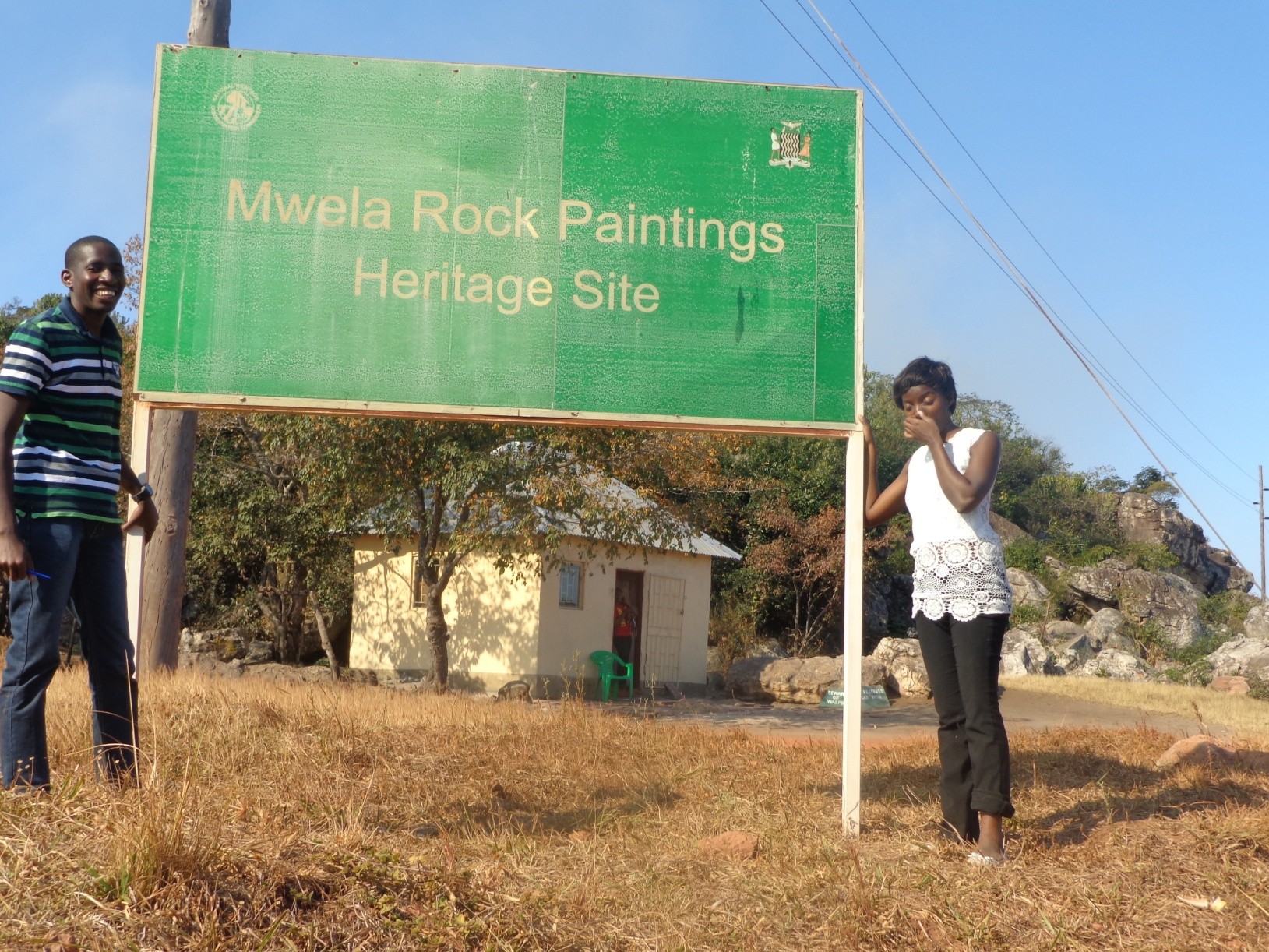
Mwela Rock Paintings is a heritage site managed by the National Heritage and Conservation Commission of Zambia, about 5 km east of Kasama central business district. Its rich paintings date back an astonishing 10,000 years. They occupy a site of some 100 squares kilometres believed to have been home to people in the Late Stone Age, who left behind more than 700 identified rock art paintings depicting pre-historic events and activities.
Through these pre-historic remnants, the Mwela Rock Paintings are testimony to the area’s early history, and their way of life is experienced through their creative thoughts, preserved in the rock art in Mwela’s caverns and caves.
Who were these people? They were the Twa, small hunter-gatherers, who inhabited the area before the arrival of the Bantu. When the Bemba-speaking people first arrived in the area and discovered the ancient and mysterious nature of the paintings, they attributed the works to the spirits.
Twa art depicts animals and the environment they encountered in the different areas in which they lived. The wildlife depicts elephants, bush pigs, birds, lions and eland. The paintings are also rich in human and geometric art, and in fertility symbols, intelligently showing the rites of passage of these ancient people of Zambia.
Modern historical research is beginning to produce a clearer picture of the origins of Mwela’s ancient art.

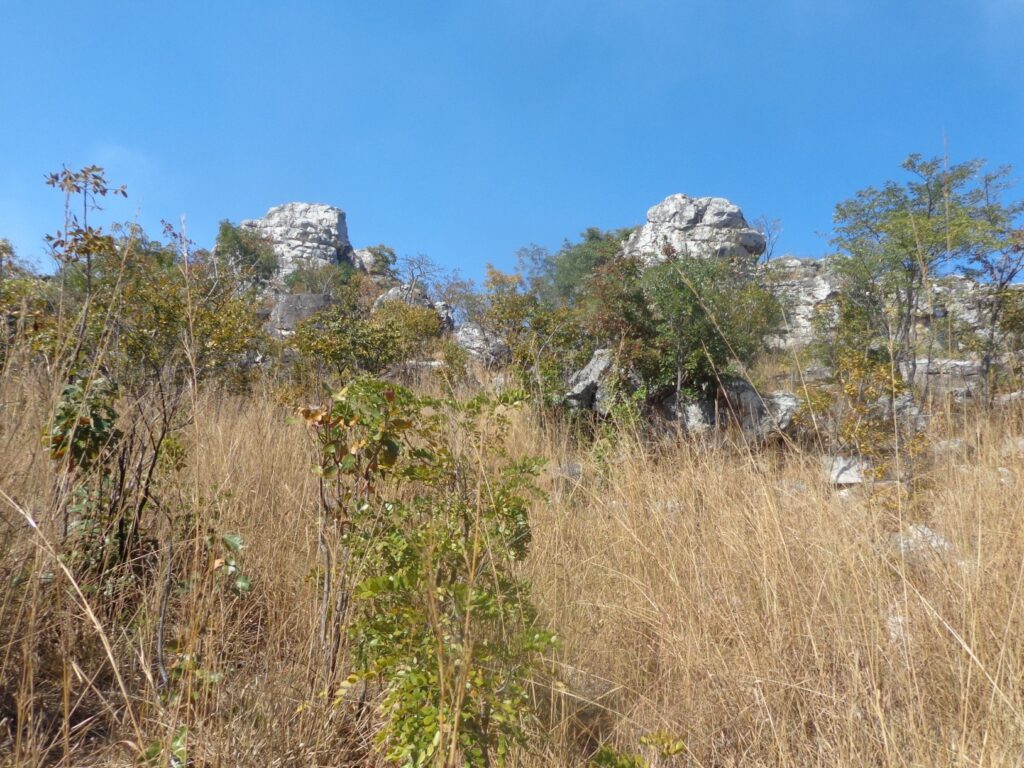
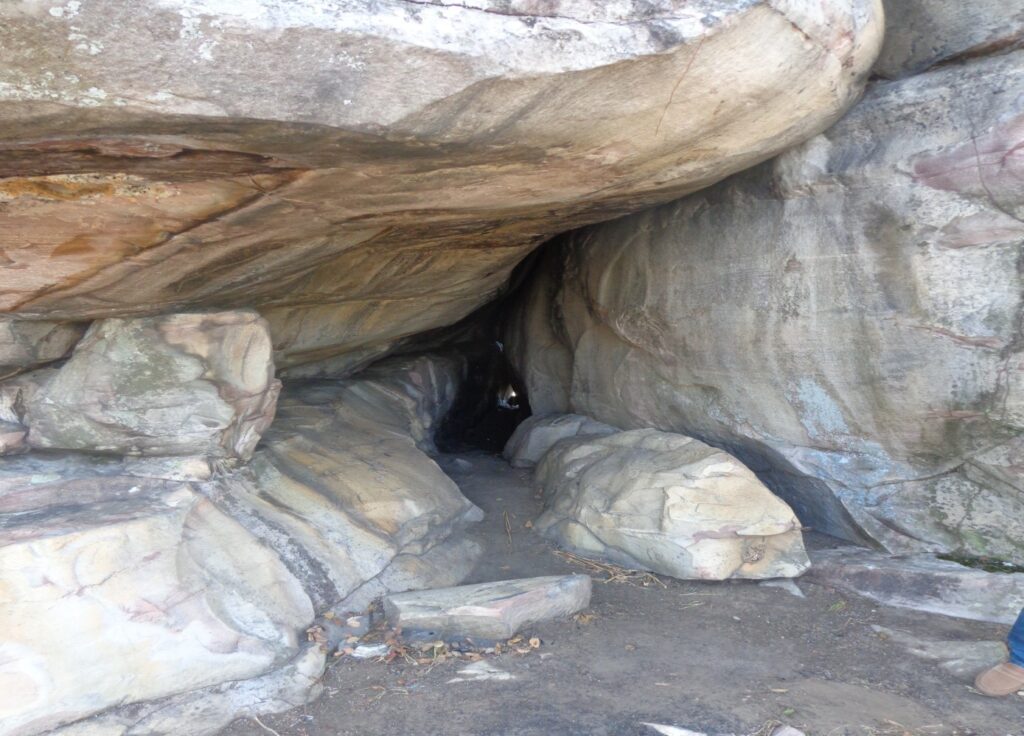
Historical evidence suggests that the Twa lived in the area’s caves and rock shelters to escape the attentions of wild animals, to prepare food, work on their tools and to shelter from unfavourable weather. In their wake they left clues to their identity such as animal bones, rock paintings, and a variety of stone tools.

Archaeological studies carried out in 1999 by archaeologists from Moto Moto Museum of Mbala and Lansmuseet Gavleborg Museum of Sweden, suggests that the people of the Late Stone Age were very good hunters who followed the animals they hunted. They were nomads, moving from place to place searching for food, collecting it from the forest where they could.
Studies of rock art in Kasama by Benjamin Smith (1997), show that it takes two distinct forms – pictographic and petroglyphic. Pictographic is paintings or drawings on the surface of rocks, whereas petroglyphs are engravings carved or chiselled into rock.
At Mwela, the art is pictographic, expressed in schematic and naturalistic paintings. The schematic paintings are not easy to understand, composed as they are mostly of dots, lines and shapes.
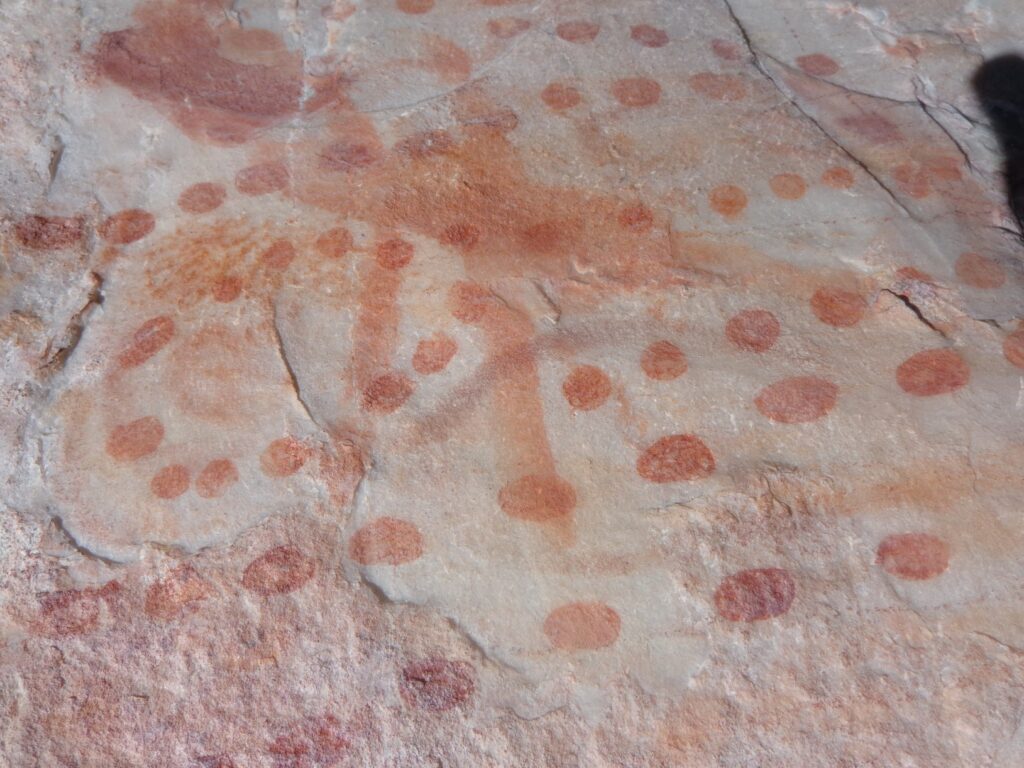
Naturalistic paintings show human beings, animals and objects as we see them in nature. In Zambia there are four main rock art traditions – Red Animal Tradition, Red Geometrical Tradition, The White Spread-eagled Tradition and The White Zoomorph Tradition. The rock paintings at Mwlela have two of those four main traditions, namely Red Animal Tradition and Red Geometrical Tradition.
The Red Animal Tradition paintings depict animal figures and in some cases human figures in which red pigment has been used, whereas Mwela’s Red Geometric Tradition mostly depicts simple geometric forms such as circles, lines, ladders and sets of parallel lines. In these, red pigment was also used. The red pigment is said to be a mixture of animal blood and red soils, and in order to make it stick to walls it was mixed with animal fats.
Oddly, most of the paintings at Mwela face west. Katongo Kangwa, a guide at Mwela, believes this was aimed at preserving the paintings because the sunset is weaker than the sunrise. Also, most of the paintings rest on canopied surfaces, further protecting them from direct exposure to sun and rain.


Discover more from MAKANDAY
Subscribe to get the latest posts sent to your email.


