

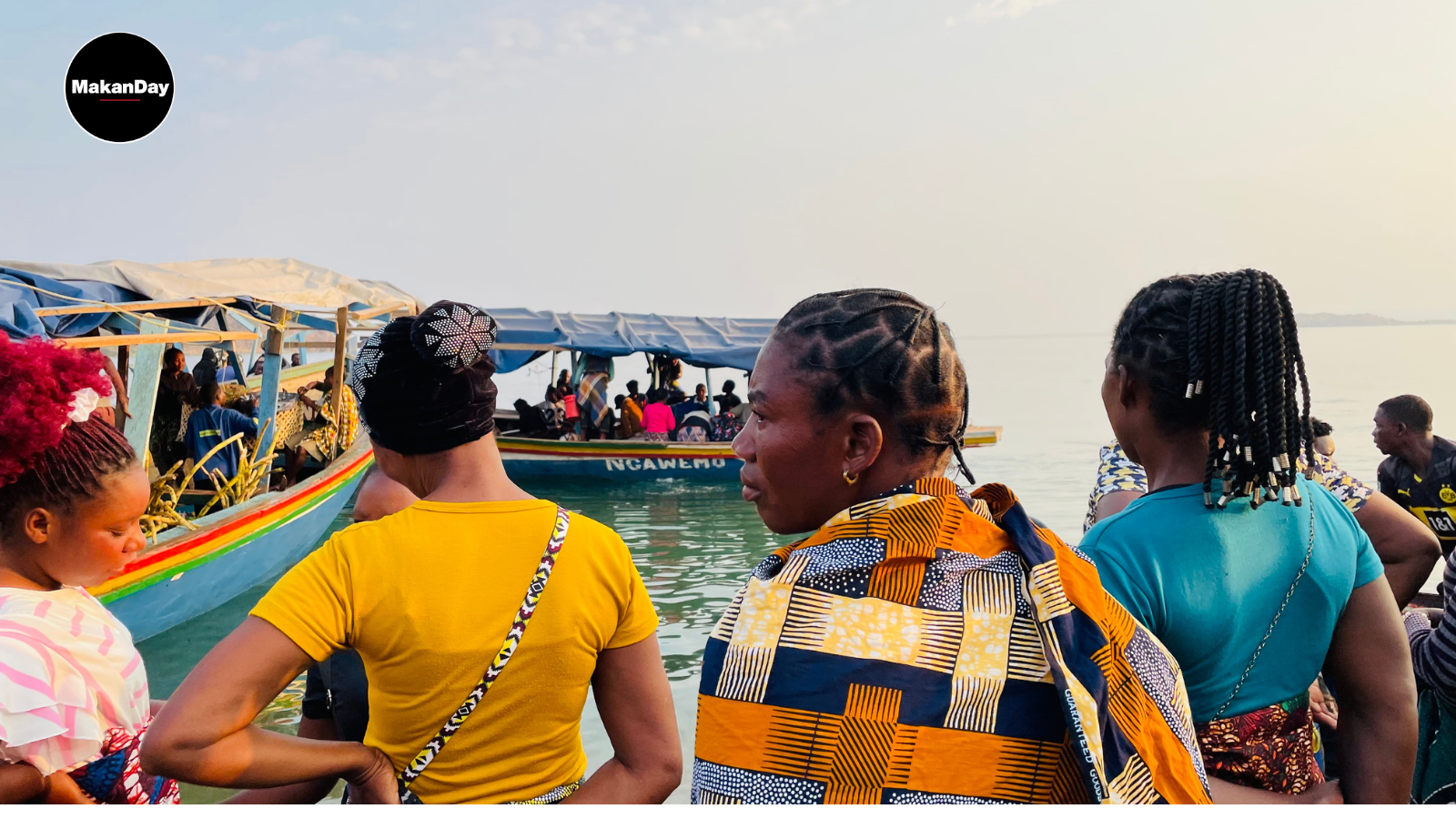
On Zambia’s Lake Tanganyika, women traders say having money is not always enough to secure fish. Some say sexual relationships have become another price of doing business.
By Annie Zulu
This investigation was supported by the Pulitzer Center.
At 5 a.m., Martha Bwalya arrived at Ngwenya landing site on Lake Tanganyika with money in her hand and an empty bucket.
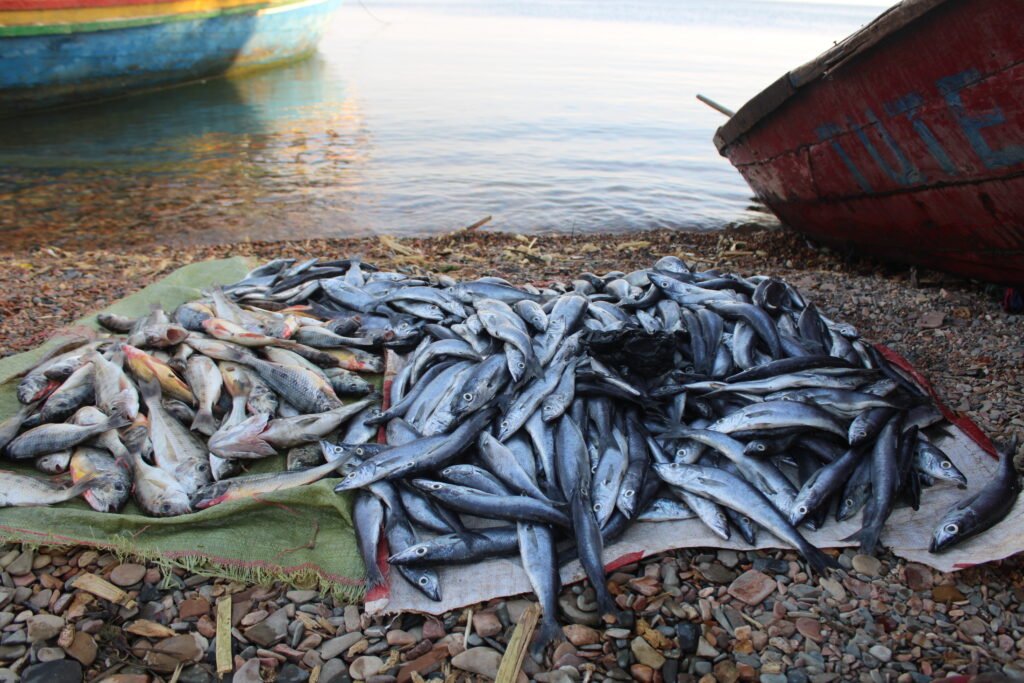
Boats were returning from a night of fishing. Fishermen hauled their catch ashore as traders crowded around them. Fish changed hands and women who had secured stock began another day of business.
Bwalya waited. By midday, the 45-year-old trader still had an empty bucket.
“I came to buy fish at 5 a.m. I haven’t managed to buy any because I don’t have anyone to buy from,” she said.

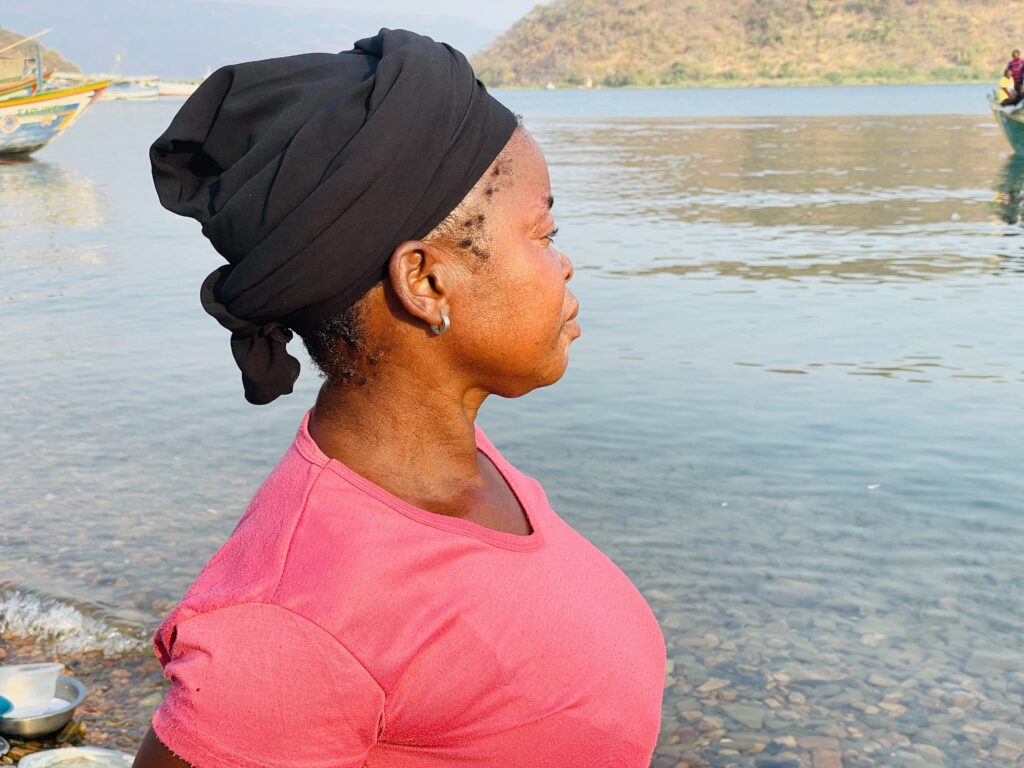
Nearby, Jane Chela, 38, had also been waiting since early morning.
“When the fishermen come, they will get the fish and give it to someone they have an agreement with. I will just remain standing and watch,” she said.
Chela, a mother of six, depends on fish trading for income.
“Going back home empty-handed without buying any fish is devastating because it means I won’t be able to do business. How, then, will I survive? I have children to feed.”
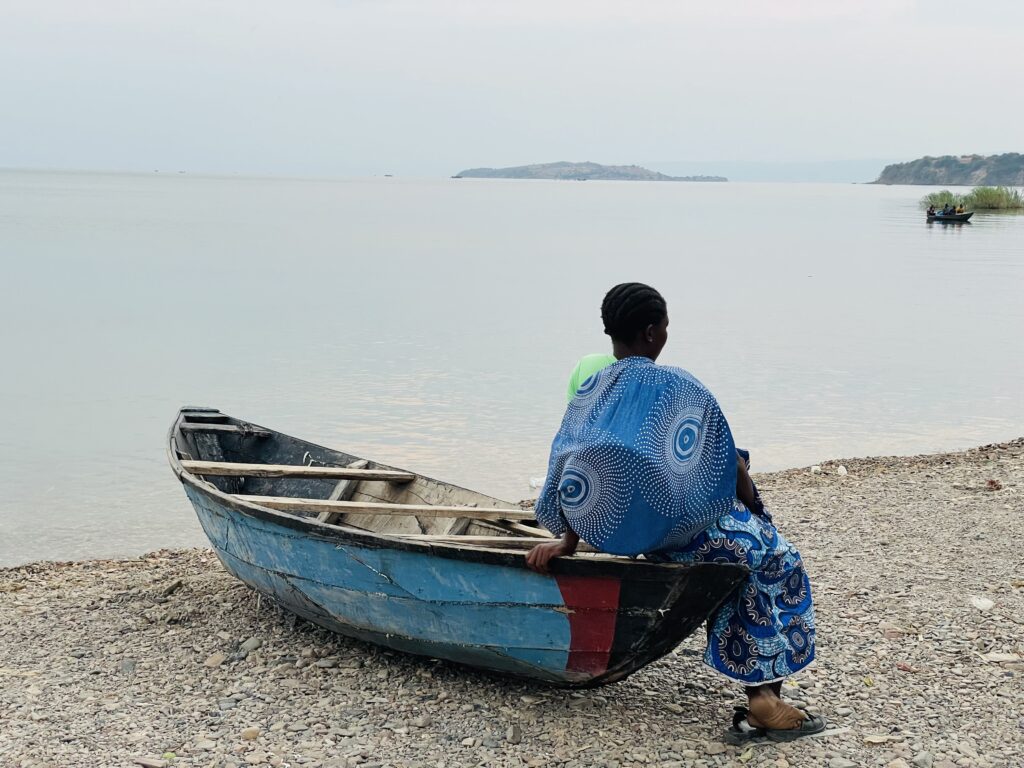
Across two fishing communities on Zambia’s Lake Tanganyika shoreline, women told this investigation that money alone does not always guarantee access to fish.
Some fishermen say preferential access can result from legitimate commercial relationships, including arrangements in which women lend them money.
But women traders, community leaders, one fisherman and a government fisheries official also described sexual relationships linked to access to fish.
Beyond those who spoke on the record, this investigation interviewed 32 women anonymously. Twenty-six said they were aware of sex-for-fish arrangements, including nine who said they had personally experienced sexual demands.
The interviews were not a representative survey and cannot establish how widespread the practice is.
But across interviews in Mpulungu and Nsumbu, one phrase repeatedly emerged: Pela Akakupela — loosely translated as “Give to the one who gives to you”.
Women and community leaders said the phrase can describe arrangements in which traders receive fish from fishermen with whom they have established relationships.
The women still pay for the fish. But some said money is not always the only thing expected.
“I had to sleep with men”
Jennifer — a pseudonym used to protect her identity — said she experienced such an arrangement.
She entered the fish trade after leaving school at 17, hoping to earn a living.
“I realized that I had to sleep with men that work on the lake or own boats for me to buy fish,” she said.
Jennifer said such relationships could begin with exchanging telephone numbers. A woman and fisherman would meet away from the landing site and, she said, the fisherman would subsequently make fish available to her. She eventually left the trade and returned to school.

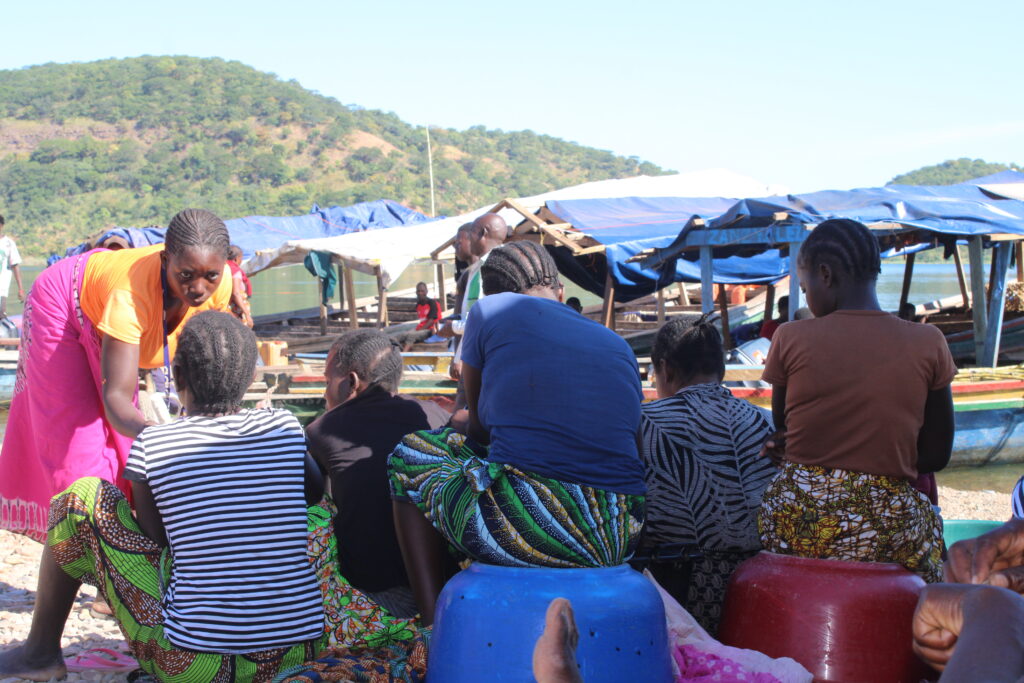
Her account was among nine gathered anonymously from women who said they had personally experienced sexual demands connected to accessing fish.
Mary Chizu, secretary of the Mpulungu District Women’s Association, said the practice is familiar within the fish trade.
“What happens is that if I am a woman and I don’t have a sexual relationship with fishermen, then I will never do business,” she said.
According to Chizu, fishermen can return from the lake already knowing which traders will receive their catch.
“When the fishermen come from catching fish, they will shout Pela Akakupela. They will select who is going to buy.”
Chizu said the women still pay for the fish, but some maintain sexual relationships with fishermen to secure access.
“The men have that capacity of going on the lake, catch fish. They are taking advantage of that,” she said.
“Give to the one who gives to you”
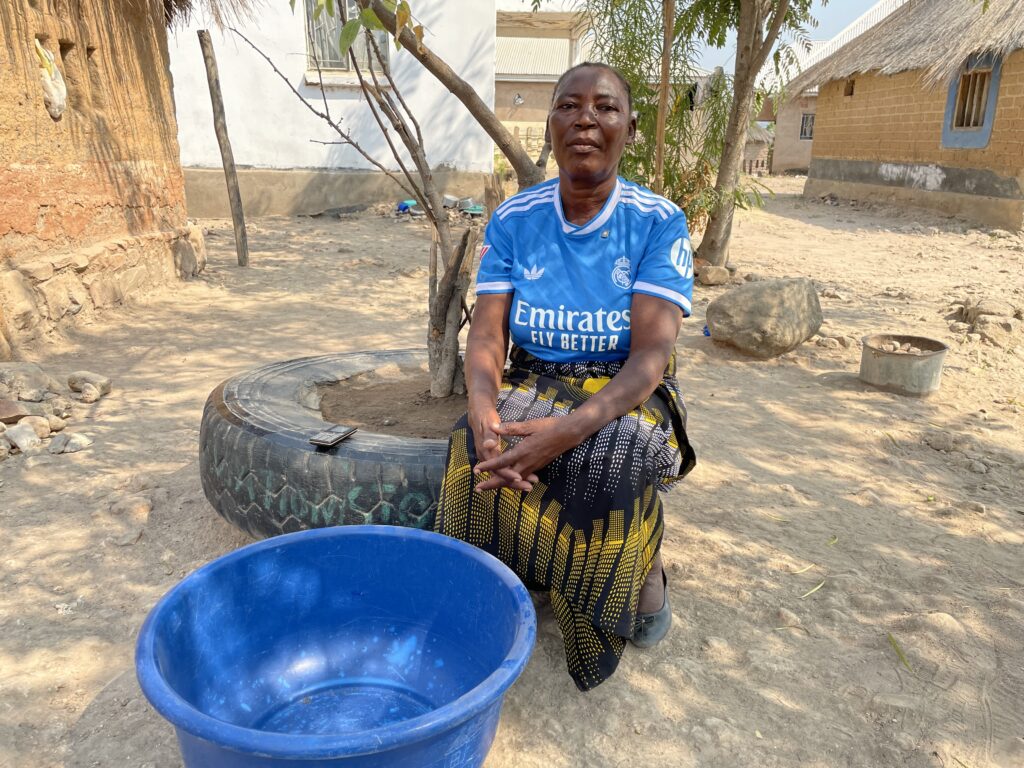
Hours away by boat in Nsumbu, women described similar experiences.
Beauty Musonda, 59, has traded fish for more than 20 years.
Musonda described standing at the landing site holding up her money as fishermen sold to other traders.
“I can even raise my hand with money. They will get someone behind me and sell it to them and I will remain.”
She also used the phrase Pela Akakupela.
“When they sleep with the woman, that’s when they will give her the fish. If you refuse, they will never sell you,” she said.
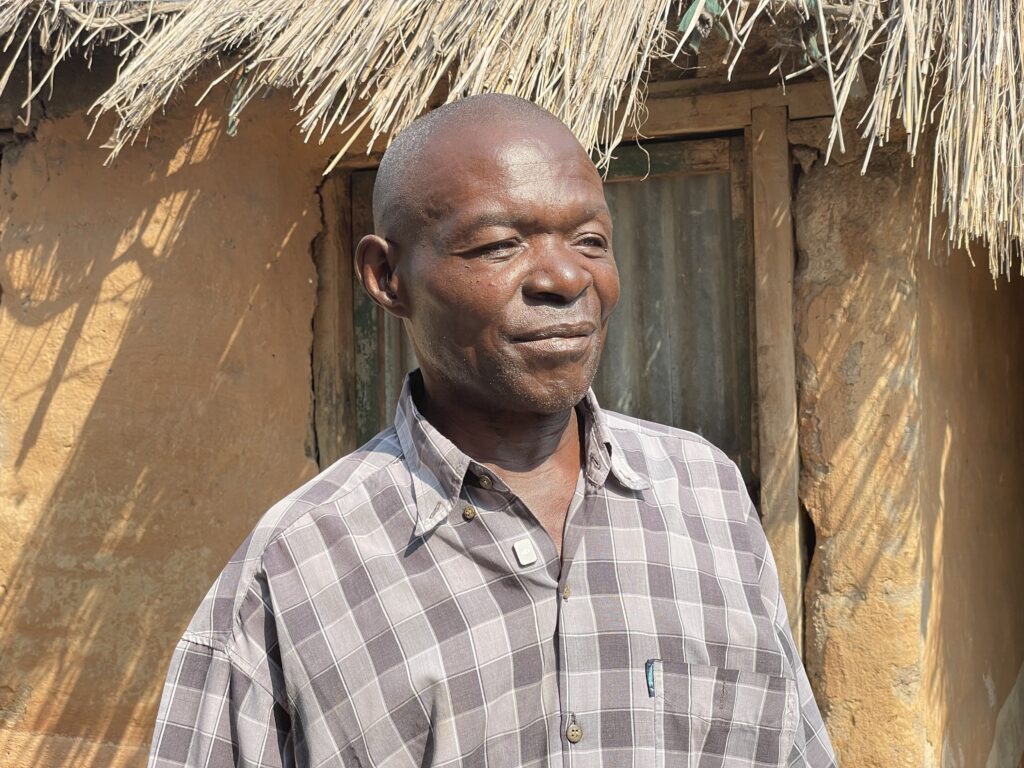
Albert Songwe, a village headman in Nsumbu and former fisherman, said the phrase means, “give to the one who gives to you”.
In the fish trade, he said, it can refer to a fisherman giving a woman access to fish in exchange for sex.
“There are a lot of women fish traders but only few will buy the fish,” he said.
Fishermen dispute the allegations
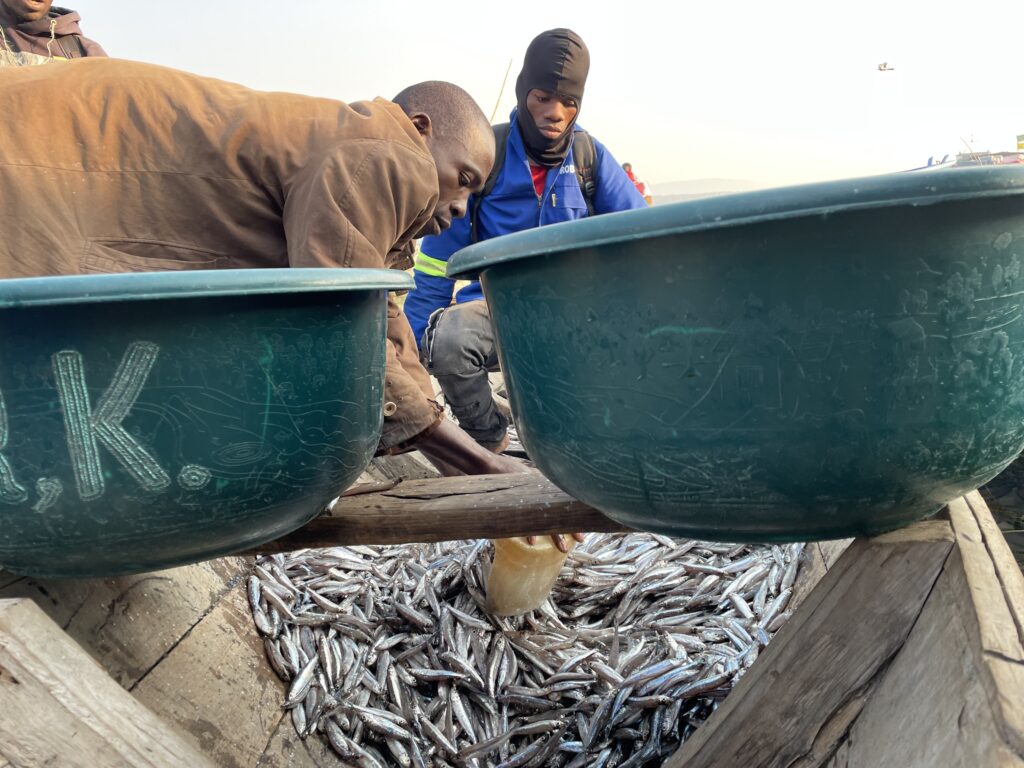
Fishermen interviewed in Nsumbu offered differing accounts. Chrispin Kabwe, 27, rejected the suggestion that preferential access necessarily involved sex.
Some women, he said, lend fishermen money. When the fishermen return from the lake, those traders receive priority because of their financial arrangements.
Ketson Musonda, 33, denied that sex-for-fish occurred in the community.
George Sindazi, 34, gave a different account. He acknowledged that sexual exchanges can occur, but described them as consensual.
“It’s normal for this to happen, it happens even in other sectors like mining. I have what she wants and she has what I want. When she allows me to have sex with her, that’s it,” he said.
His description differs sharply from those of women who said refusing sexual relationships could jeopardise their ability to obtain fish and earn an income.
What money could — and could not — buy
During reporting trips in May and July 2026, this reporter also approached the fish trade as an ordinary prospective buyer without initially identifying herself as a journalist.
Carrying K2,000, she made four attempts to buy fish — two at Ngwenya in Mpulungu district and two in Nsumbu.
On each occasion, fishermen said the fish she sought had already been secured or reserved for other buyers.
The reporter observed other women receiving fish while she and other prospective buyers remained without stock.
No fisherman asked this reporter for sex. The exercise therefore did not establish why particular women received priority or whether any of the arrangements observed involved sexual relationships.
It did, however, support one narrower observation: having cash available did not necessarily mean a buyer could obtain fish.
A trade dominated by men
Lake Tanganyika stretches across Zambia, Tanzania, Burundi and the Democratic Republic of Congo and supports fishing communities along its shores.
A FISH4ACP and WorldFish value-chain analysis estimated Zambia’s annual production of Lake Tanganyika small pelagic fish at about 28,000 tonnes and found the sector provides a significant share of employment in Zambia’s fishing industry.
Women and men, however, occupy different positions in the trade.
Women work mainly in fish processing and trading, while fishing itself is overwhelmingly dominated by men.
The 2024 Frame Survey of Fisheries in Lake Tanganyika recorded 85,923 fishers across the four countries sharing the lake, of whom 598 were women.
That leaves many women traders dependent on fishermen for access to the commodity they need to earn a living.
FISH4ACP research has also documented women’s vulnerability to sex-for-fish transactions in fishing communities on Zambia’s Lake Tanganyika shoreline, particularly where women struggle to obtain fish for processing and trade.
For women such as Bupe Namwanza, 70, that access has immediate consequences.
Namwanza, a widow who has traded fish for more than 30 years, supports grandchildren and cares for her elderly mother.
“If I don’t sell fish, my family won’t eat,” she said.
Known, but rarely reported
Senior Chief Tafuna, a traditional ruler of the Lungu people in Mpulungu district, said he had never formally received a complaint from a woman about sex-for-fish.
But he said he knew of the practice.
Women can fear exposure, ridicule and damage to their reputations, he said.
“They would rather not talk about it.”
He also acknowledged the economic consequences women can face if they refuse.
“I can assure you, the women who don’t give in struggle to buy fish,” he said.
Mpundu Ngandwe, the District Fisheries and Livestock Coordinator in Mpulungu, also said his office had received no formal complaints. But he acknowledged the practice.
“Sex for fish is something that is silently being practised along the line of trade in fish and people don’t come out to say that this is what is happening,” Ngandwe said.
He said it had existed for years.
Ngandwe also described arrangements in which fishermen reserve catches for particular traders.
“If they have made an agreement, that fisherman will not sell fish to anyone. Even if some women have money, even more money, they will not sell to you,” he said.
A request for comment outlining the findings of this investigation was sent to the Ministry of Fisheries and Livestock through its Public Relations Office.
Despite follow-ups, no response had been received by the time of publication.
Attempts to reduce dependence
FISH4ACP is working with fishing communities around Lake Tanganyika to strengthen women’s economic position in the fish trade.
According to its National Coordinator, Masiliso Phiri, more than 20 women’s groups have been established, with some receiving equipment including solar-powered cold rooms and dryers.
The programme also supports savings groups and alternative livelihoods, while more than 30 peer educators have been trained to conduct community sensitisation.
Joel Katailo, one of the peer educators, said poverty contributes to women’s vulnerability, but having money does not necessarily protect them from sexual demands.
This investigation could not establish how many complaints about sex-for-fish have been investigated, how many women have received protection after reporting sexual demands, or whether the practice has declined.
That leaves a gap between what is known in the communities and what appears in official records.
Traditional leaders say they know of the practice. A government fisheries official acknowledges it and says it has existed for years. Women describe what refusing can cost them economically.
Before sunrise, traders will again gather at landing sites along Lake Tanganyika. Boats will return from the night’s fishing and women will arrive with money to buy their catch.
For Bwalya and others who depend on that trade, having the money is only the first hurdle.


Discover more from MAKANDAY
Subscribe to get the latest posts sent to your email.


