

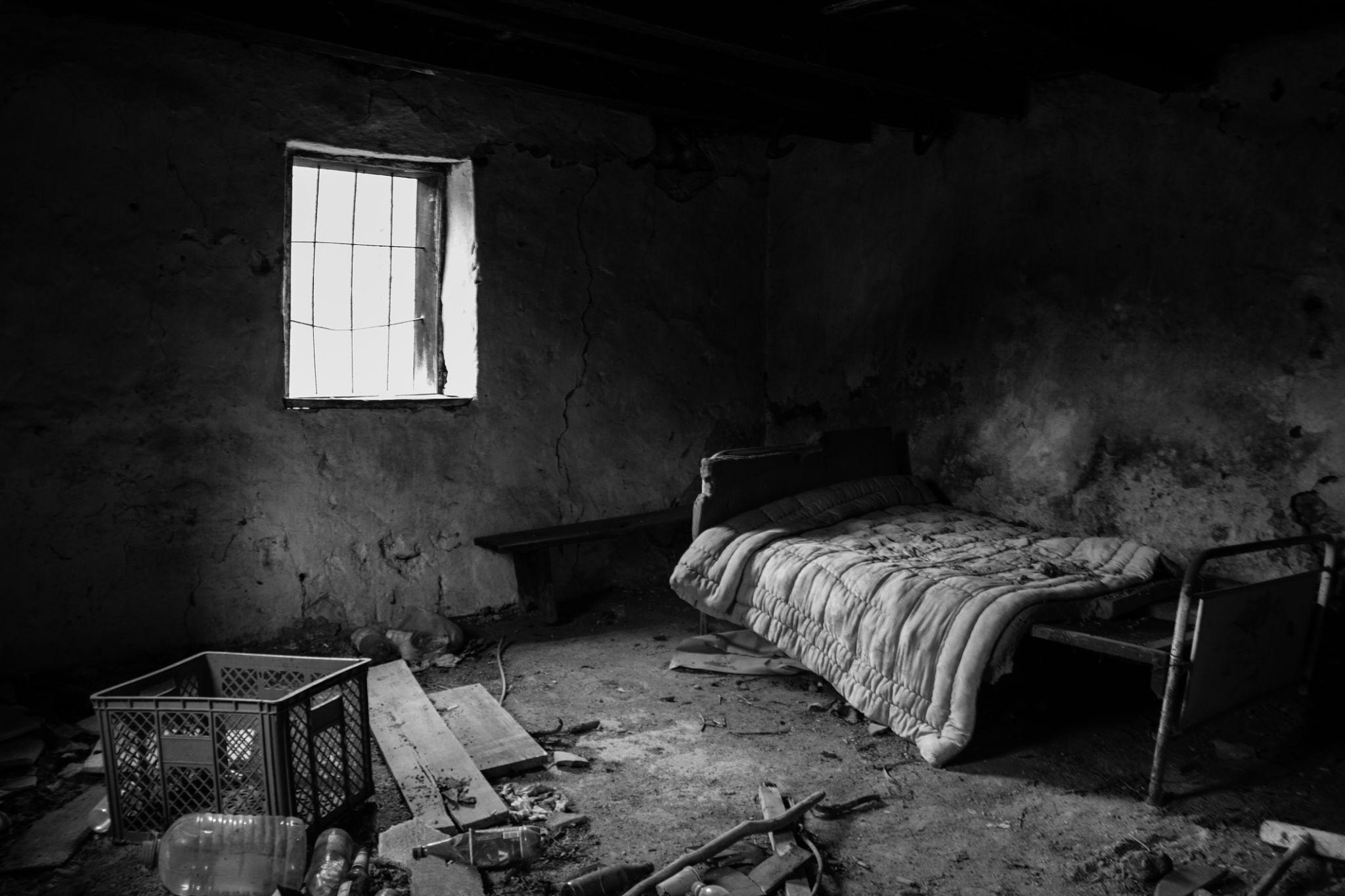
In Kasama, two young men died within hours of each other. Three months later, their family is still waiting, not just for answers, but for a system that treats their loss with urgency, transparency, and dignity.
The deaths of Harrington (27) and Joshua Mbeleko (21) were never just a tragedy. They were a test of Zambia’s investigative systems — and so far, that system is failing.
MakanDay’s first investigation, “The Unexplained Deaths – What happened in that room?”, exposed troubling gaps: conflicting accounts from authorities, unclear handling of forensic evidence, and a silence that left the family in the dark.
Now, months later, police say toxicology results are available. But instead of clarity, the development raises a more uncomfortable truth: in Zambia, answers can exist, and still not reach the people who need them most.
This is not just about one family. It is about how justice works, or doesn’t.
At the centre of the problem is a weak forensic system. As confirmed during the MakanDay public discussion, Zambia relies on limited facilities, with critical tests conducted at the University Teaching Hospital in Lusaka.
That means delays. It means bottlenecks. And in cases like this, it means uncertainty. But infrastructure alone is not the full story.
Even where processes exist, communication is failing. The Mbeleko family says they were never informed of progress. They did not know when samples were taken, where they were sent, or what the results revealed. Instead, the information surfaced in a public forum, not through formal channels, but on a phone screen.
That is not how justice is supposed to work.
Justice is not only about finding answers. It is about who receives them, when, and how. A system that produces results but fails to communicate them is not functioning, it is withholding.
There is also a deeper accountability gap. The Police Public Complaints Commission, by its own admission, can only recommend and advise. It cannot enforce. That leaves families caught between institutions that investigate, institutions that analyse, and institutions that oversee — but none that are ultimately accountable.
The result is a cycle of delay, deflection, and frustration.
Meanwhile, key questions remain unresolved. When were the samples transported? Why were they reportedly not received weeks after the deaths? Why did official accounts change? And why was the family left out of the process entirely?
These are not technical questions. They are fundamental. Because when a system cannot clearly account for evidence, it cannot convincingly deliver justice.
Zambia’s broader criminal justice system is being quietly tested in cases like this, not in high-profile courtrooms, but in ordinary rooms where ordinary people die under unclear circumstances.
And what these cases reveal is a system that reacts slowly, communicates poorly, and struggles to close the loop between investigation and accountability.
For the Mbeleko family, this is deeply personal. But for the country, it is systemic.
Until forensic capacity is strengthened, communication is institutionalised, and accountability mechanisms are given real power, cases like this will continue to drift — suspended between answers and uncertainty.
In Kasama, two young men are gone.
In Lusaka, the answers may already exist.
But until those answers are delivered with clarity and accountability, justice will remain incomplete, and out of reach.


Discover more from MAKANDAY
Subscribe to get the latest posts sent to your email.


