

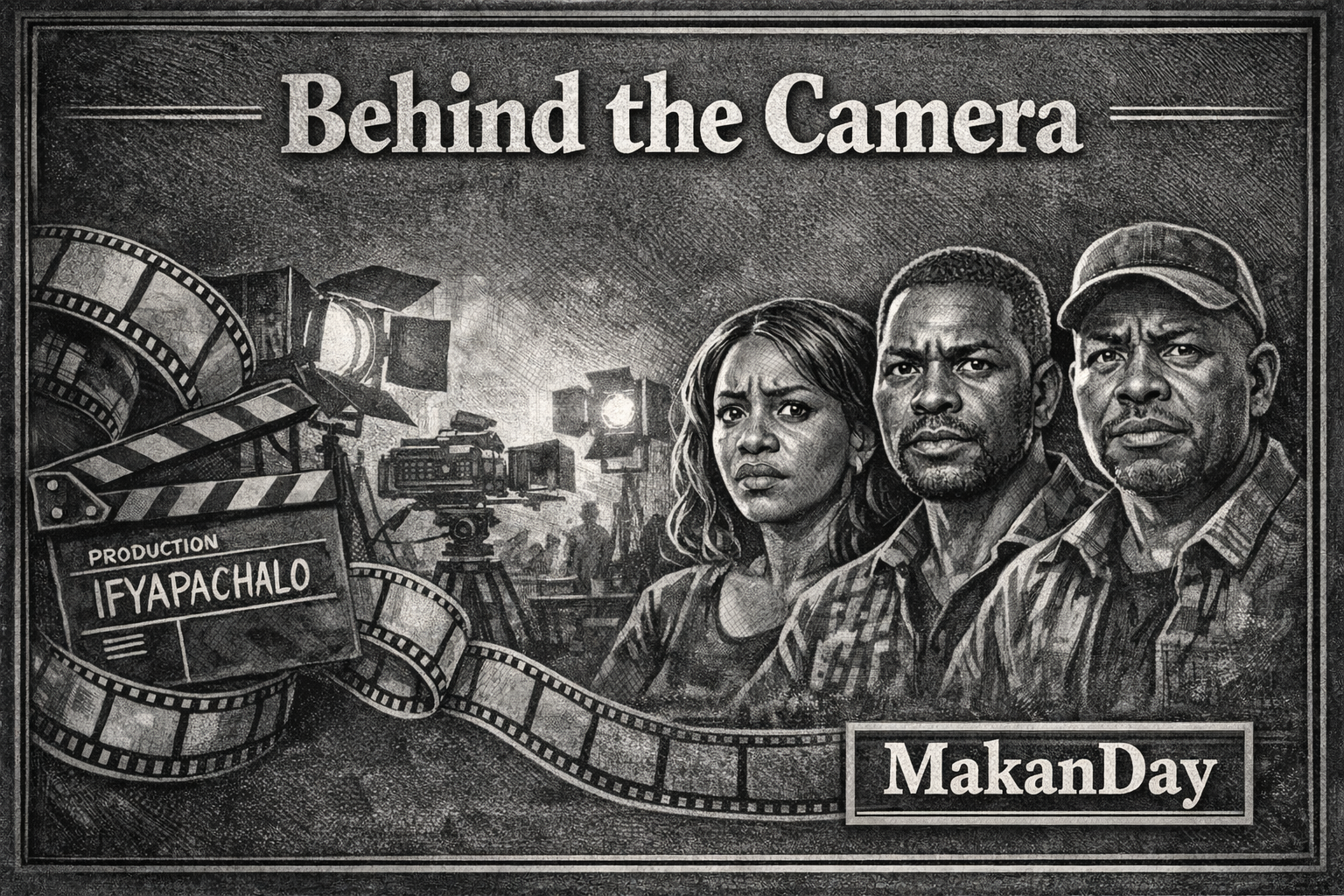
There is something deeply unsettling about a country that funds art but fails to protect the artists behind it.
The allegations emerging from the production of Ifyapachalo—a television drama reportedly funded with over K1 million in public resources, are not just about unpaid actors and editors. They point to something deeper: a systemic failure where public money circulates, but those who create value remain trapped in insecurity and instability.
This is not merely a story about a struggling film industry. It is a story about governance, accountability, and the widening gap between policy and practice.
At the centre of the controversy is a troubling pattern: contracts are signed, work is delivered, yet payments are delayed or never made. For many actors and crew members, the justification offered was “exposure”.
While often romanticised in creative spaces, exposure becomes exploitative when it replaces actual pay. It reduces skilled labour to a favour, undermines professionalism, and erodes the foundation of a sustainable industry. In any serious economy, exposure does not pay rent, buy food, or sustain livelihoods.
The irony is that Zambia already has a clear development framework that recognises the importance of sectors like the creative industry. The Seventh National Development Plan (7NDP) sets out a vision of a diversified and resilient economy driven by job creation, reduced inequalities, and improved governance. It emphasises the need for decent employment, stronger accountability systems, and inclusive participation in economic growth.
The creative sector fits squarely within this vision. It is labour-intensive, youth-driven, and capable of generating both income and cultural value. It has the potential to absorb thousands of young people who struggle to access formal employment and can contribute to diversifying the economy beyond mining. Yet, as the Ifyapachalo case demonstrates, this potential is being undermined by informality and weak enforcement.
Testimonies from actors and crew members suggest a sector operating without adequate safeguards. Contracts carry little weight, payment timelines are ignored, and workers have limited avenues for redress. This is precisely the kind of informality Zambia seeks to reduce. When workers cannot rely on basic protections, the industry cannot grow. Instead, it remains fragmented, unreliable, and unattractive to serious investment.
Equally concerning is the role of public funding. When a state-owned institution such as ZNBC disburses over K1 million for content production, there is an expectation that the investment will generate both public value and fair economic outcomes. That includes ensuring that those who contributed to the production are paid and that funds are managed transparently.
When workers remain unpaid despite funds being released, it raises serious questions about oversight and enforcement. These concerns go beyond the film industry. They speak to how public resources are governed more broadly. If accountability mechanisms cannot function effectively in a relatively small sector like television production, it casts doubt on their effectiveness in larger, more complex sectors.
There are signs of progress. The National Association of Media Arts has rejected “exposure” as payment, and efforts to establish a National Film Commission could introduce much-needed regulation. But these steps must move beyond intention. Zambia needs enforceable standards, binding contracts, and accessible mechanisms for resolving disputes. Without these, exploitation will continue under the guise of opportunity.
The stakes are especially high for young people. Zambia’s youthful population presents an opportunity for growth, but only if jobs are real and livelihoods are secure. When young creatives are asked to work for free or wait indefinitely for payment, that opportunity is lost. Instead of building a generation of professionals, the system risks producing frustration and disengagement.
Ultimately, the Ifyapachalo controversy is more than an isolated dispute. It reflects broader weaknesses in Zambia’s development model. It exposes the disconnect between national aspirations and lived realities, and highlights the urgent need to align public investment with fair labour practices.
Zambia’s development agenda speaks of inclusivity, resilience, and shared prosperity. But these ideals cannot be realised if entire sectors operate on unpaid labour. A truly inclusive economy is one where every contribution is recognised, valued, and fairly rewarded.
The solution is not complicated. It begins with accountability. It requires enforcement. And above all, it rests on a simple principle: people must be paid for their work.


Discover more from MAKANDAY
Subscribe to get the latest posts sent to your email.


