

This case was first exposed by MakanDay in an earlier investigation, which uncovered conflicting accounts and serious gaps in how key forensic evidence was handled — questions that remain unresolved months later.
By Charles Mafa
For more than three months, the family of two brothers — 27-year-old Harrington and his younger brother, 21-year-old Joshua Mbeleko — waited for answers. The two died just hours apart inside a house in Kasama. Since then, their family has been left with questions the police have failed to answer.
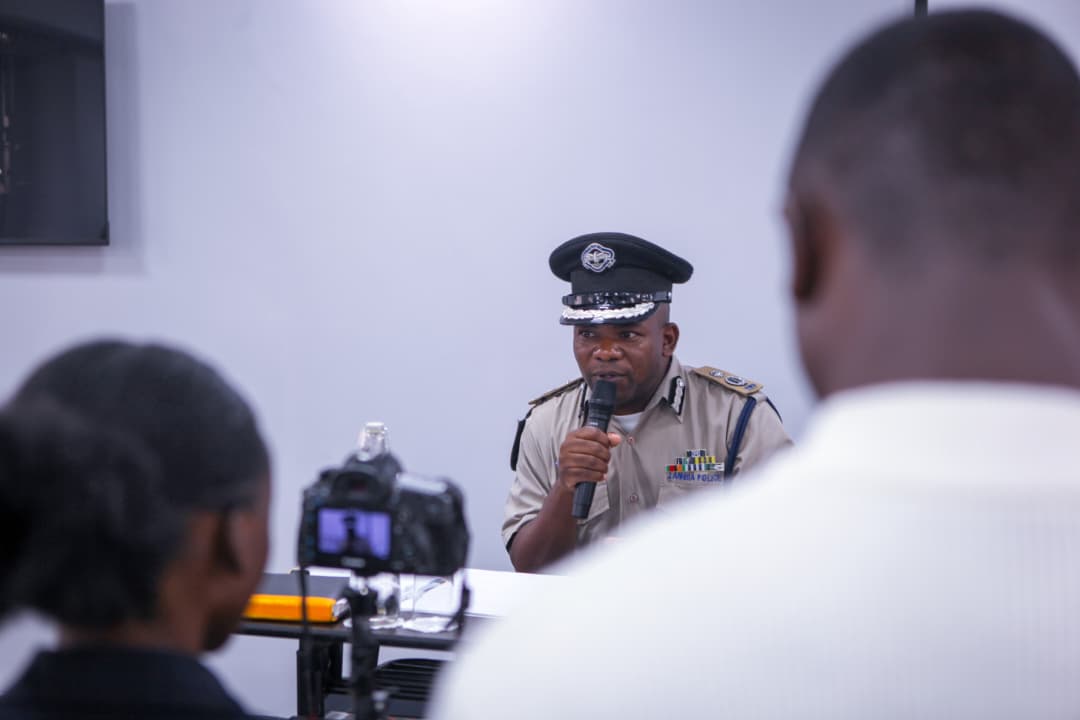
But during a MakanDay-organised public discussion in Lusaka on April 24, a new development emerged. Police told the audience that toxicology test results are now available — results that could finally shed light on what caused the brothers’ deaths.
In such cases, toxicology tests involve analysing samples such as blood, urine, or organs like the liver and stomach to detect any substances that may explain what happened.
Until then, no post-mortem results had been shared with the family. Police accounts of what happened to key forensic evidence have shifted over time, with no clear explanation. Meanwhile, the officer who first responded to the scene was transferred to another district — a move the police described as administrative routine. For the family, however, it has only deepened their frustration.
Harrington and Joshua had travelled from Lusaka to Kasama after Harrington secured work with a businessman at a vehicle fitment company. Months later, both were found critically ill in the room where they were staying. One died at the scene. The other died shortly after being rushed to hospital.
Police spokesperson Godfrey Chilabi said in Zambia, cases of unusual death require the involvement of other institutions to conduct scientific examinations and establish the cause. Currently, in Zambia, tehse tests are done from the National Food and Drug Commission at the University Teaching Hospital in Lusaka.
“In this case, and for this matter, that’s what happened. We resorted now, to taxological examination. Samples were taken, the liver, the kidneys and something was taken from the stomach,” said Chilabi. “So now these were taken so that the scientists can do further, in terms of the findings.”
“I can confirm before coming here, that the samples and everything were done,” he added.
During the discussion, Chilabi briefly showed the test result form on his phone to Mweelwa Muleya, Director of Education, Training and Advocacy at the Human Rights Commission, who was part of the panel.
Muleya stressed the need for law enforcement agencies to establish their own forensic facilities to speed up investigations — a reform the Commission has long advocated. He added that the Commission remains obligated to intervene whenever there are concerns about mal-administration of justice.
Commissioner Joseph Chishala of the Police Public Complaints Commission echoed concerns about accountability, noting that the commission’s role is limited to making recommendations and advising both the Ministry of Home Affairs and Internal Security and the police.
For the family, however, the issue remains communication. Moses Soko, the late brothers’ uncle, said the family had not been informed of any progress in the investigation.
“There has been no communication from the police. As a family, we did not know what stage the investigations had reached,” he said.
Chilabi apologised for the lapse in communication and invited the family to Police Headquarters for a formal update.
Key questions remain unanswered — including when the samples were transported from Kasama to Lusaka. Three weeks after the deaths, when MakanDay contacted UTH, officials indicated that the samples had not yet been received.
The discussion, attended by students from the University of Zambia and Cavendish University, raised broader concerns about forensic capacity, transparency, and the treatment of families in cases of unexplained deaths.
The event is part of MakanDay’s mission to investigate, publish, and use evidence to drive informed public discussion.


Discover more from MAKANDAY
Subscribe to get the latest posts sent to your email.


