

From lost gold to leaking medicines, Zambia is paying a hidden price for lawlessness in the mining sector.
Illegal mining in Zambia is often framed as a problem of stolen mineral wealth and environmental destruction. While these impacts are severe, they tell only part of the story. Increasingly, as our reporting this week shows, illegal mining is also undermining the country’s public health system, quietly and dangerously, with long-term consequences that will far outlast any gold rush.
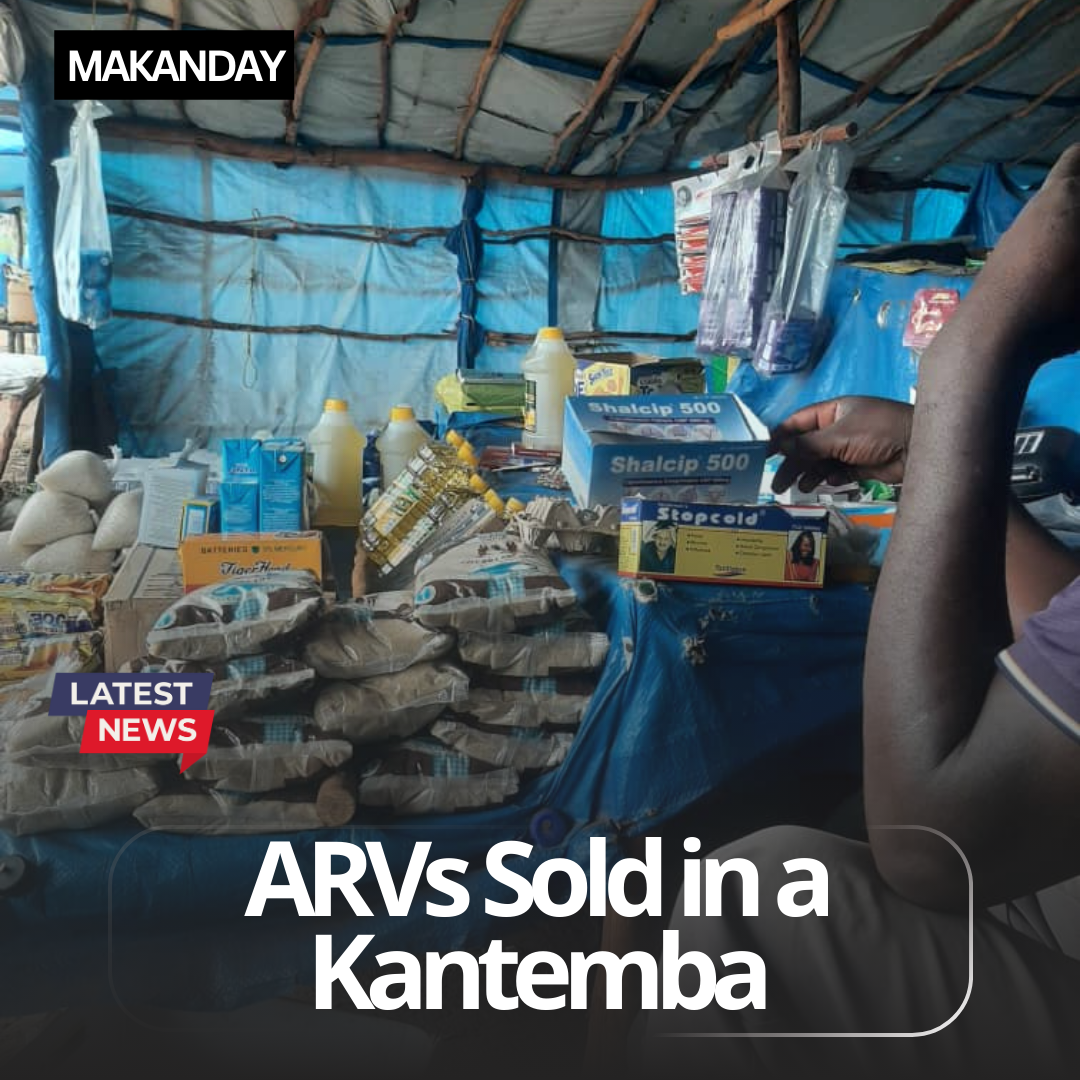
The debate around illegal mining usually centres on lost tax revenues, degraded land, and polluted rivers. Yet our recent investigative reporting from Muchinga Province reveals a more troubling dimension: illegal mining is fueling the leakage of life-saving medicines from public clinics into unregulated mining camps. In these settlements, antiretroviral drugs (ARVs), meant to be dispensed free of charge through Zambia’s health system, are being sold for cash.
This is not merely a case of petty theft. It is a direct assault on public health.
Illegal mining camps exist beyond the reach of basic state services. There are no clinics, no licenced pharmacies, no routine inspections by health authorities. In this vacuum, informal drug markets thrive. Medicines meant for vulnerable patients are diverted, improperly stored, sold without prescriptions, and consumed without medical supervision.
For HIV treatment, the risks are deep. According to health experts, interrupted or incorrect use of ARVs can lead to treatment failure and drug resistance, threats not just to individual patients, but to Zambia’s entire HIV response. Drug resistance does not stay in remote mining camps, it spreads, increases treatment costs, and weakens years of public investment in health.
This is especially alarming given the substantial investments Zambia has made, often with donor support, to expand access to HIV treatment. Illegal mining is now eroding these hard-won gains from the margins, a risk likely to intensify as external funding, particularly from the United States, comes under increasing pressure following funding cuts affecting several countries, including Zambia.
Unregulated mining does not only distort medicine supply chains. It contaminates water sources with mercury, cyanide, and sediment, exposing communities to water-borne diseases and long-term health complications. It destroys farmland, threatening food security and nutrition, key social determinants of health.
In effect, illegal mining creates a chain reaction: environmental damage worsens health outcomes, while lost mining revenues reduce the state’s capacity to fund health services and enforce safeguards. The same weak oversight that allows illegal pits to flourish also allows public medicines to leak into illegal markets.
Every kilogramme of illegally mined gold represents lost royalties, unpaid taxes, and forgone public investment. That lost revenue could have strengthened rural clinics, improved medicine tracking systems, or expanded health outreach in hard-to-reach areas. Instead, the state is forced to stretch already limited resources while absorbing the hidden costs of lawlessness.
This is the real paradox.
Illegal mining not only drains public funds, it also drives up public expenditure by fuelling new health crises, drug resistance, environmental illness, and preventable, untreated disease.
Cracking down on illegal mining cannot be left solely to security forces. Zambia needs a coordinated response that recognises illegal mining as an economic, environmental, and public health threat.
This means, stronger enforcement in the mining sector, tighter monitoring of medicine supply chains, expanded health services in mining-affected regions, and sustained oversight beyond sporadic crackdowns.
Most importantly, it requires political will to treat illegal mining not as an isolated criminal activity, but as a structural failure with national consequences.
Illegal mining is stealing more than gold. It is stealing public resources, poisoning the environment, and quietly sabotaging the health of the nation. If Zambia continues to confront it only as a mining problem, the country will keep paying a far higher price, measured not just in lost revenue, but in damaged lives.

Discover more from MAKANDAY
Subscribe to get the latest posts sent to your email.