


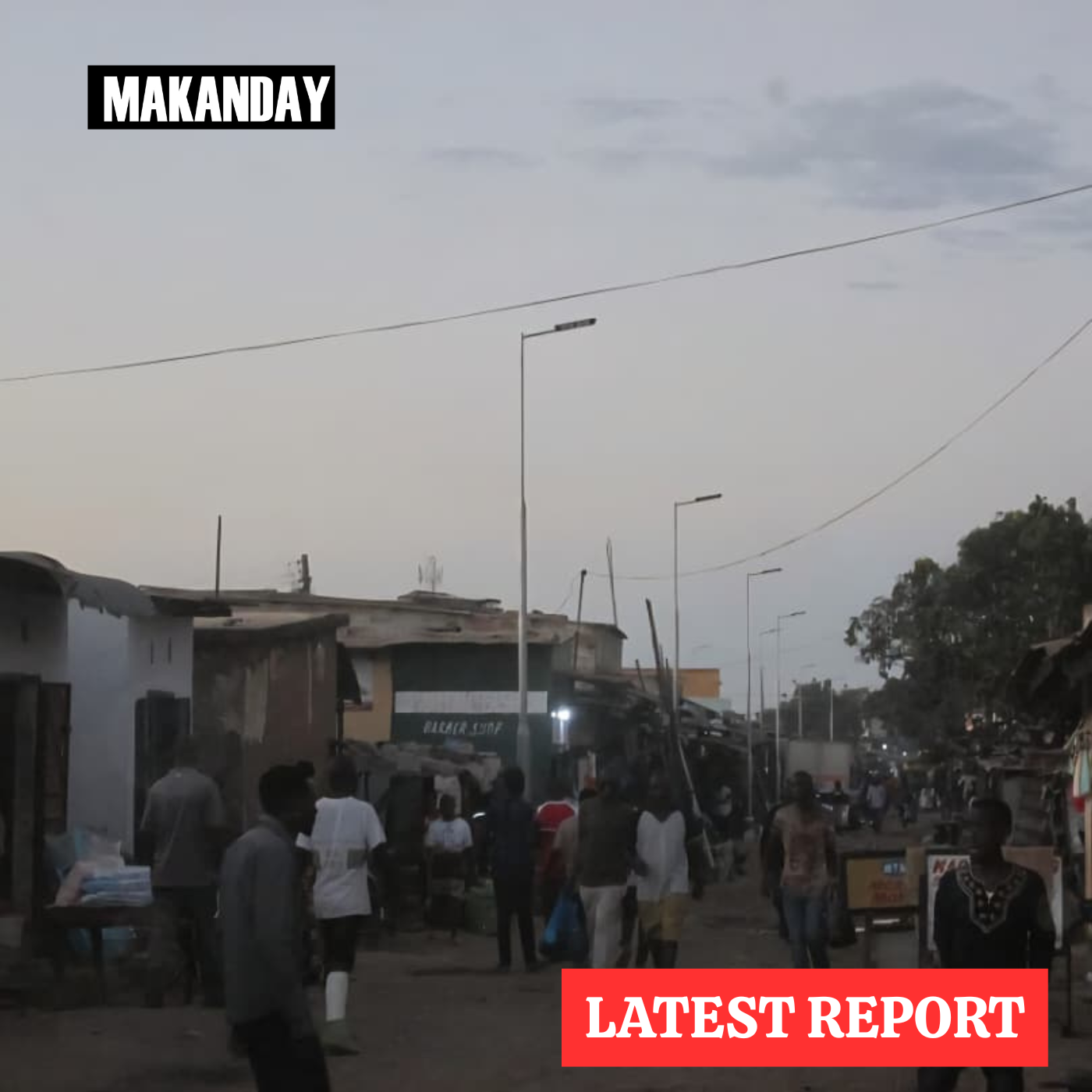
A generation under siege by drugs and gangs
By James Mwape | Ndola
Children, crime and a city losing control
In several townships across Ndola on the Copperbelt, a growing generation of young people is being pulled into a dangerous cycle of drugs, gang activity, violence, and fear — exposing what residents, social workers, and community leaders describe as a deepening urban social crisis.
What was once dismissed as isolated cases of substance abuse among a few youths has, according to residents, evolved into a wider breakdown affecting families, schools, markets, and community safety across parts of the Copperbelt city.
From Chifubu to Chipulukusu, Twapia to Siniya, and Masala to Kawama, residents describe communities where drug use among teenagers is becoming increasingly visible, youth gangs commonly referred to as “junkies” are instilling fear, and some children are allegedly being drawn into the sale and distribution of drugs.
Many residents say the crisis is no longer hidden. It is unfolding openly within communities already struggling with unemployment, poverty, overcrowding, and limited opportunities for young people.
At the centre of these concerns is the growing belief that children are not only using drugs but are also being drawn into selling them, often within the same communities where they live.
A Radio Icengelo report found that while authorities acknowledge rising cases of drug abuse and youth-related criminal activity, residents believe enforcement has not kept pace with the scale of the problem.
In some areas, residents describe parts of their communities as increasingly unsafe after dark, with reports of attacks and intimidation linked to groups of youths allegedly operating in gangs.
One resident from Riverside in Siniya Compound described a growing sense of fear in the area, saying some routes have become inaccessible at night due to fear of attacks.
“Some roads in Riverside have become inaccessible at night. You just cannot pass freely especially when you are carrying a parcel, they grab and if you resist, they beat,” the resident said.
Icengelo also uncovered allegations suggesting possible involvement of some individuals within community security structures in enabling drug-related activities.
A former member of a neighbourhood watch group alleged that some operatives may tip off suspected dealers before operations are conducted, while others allegedly benefit financially from allowing the trade to continue. These allegations could not be independently verified.
At Siniya Market, traders say the impact of drug abuse among youths is now part of daily life.
A trader said: “These boys take drugs right behind here. When they are high, they become aggressive. One of them even nearly injured me one time,” the trader said.
A reformed youth, who has experienced drug abuse and is now trying to rebuild his life, also shared his experience.
“I started because of peer pressure. My friends were doing it and I thought it was normal. Later it became a habit that was hard to stop,” he said.
At Luig Drop-in Centre, under the Chicetekelo Youth Project rehabilitation programme, workers say the crisis is deepening. Staff members report that the age of children affected by substance abuse continues to grow rapidly.
“The problem is getting worse. The youngest we have seen is just eight years old,” said staff member Inness Phiri.
Another official, Jackson Nyirongo, said the centre currently has 153 boys and girls undergoing treatment for drug-related problems.
The situation raises broader questions about what is driving young people into substance abuse and crime at such an early age. Residents and social workers point to a combination of poverty, unemployment, family breakdown, and peer pressure as key contributing factors.
Community leaders say the situation has developed gradually but has now reached worrying levels.
One local leader described the trend as a “ticking time bomb,” warning that children as young as 15 are already involved in substance abuse, particularly cannabis and other drugs.
The leader further stated that the rise in drug use has contributed to the formation of youth groups that now engage in violent behaviour and instil fear in surrounding communities.
“These groups are now attacking members of the community and instilling fear among residents,” the leader said.
Zambia’s child protection framework emphasises rehabilitation rather than punishment for juveniles involved in drug-related offences. However, concerns have emerged that this protection may be exploited by older individuals who allegedly use minors to distribute drugs, knowing they are less likely to face severe penalties.
At Nkwazi Police Post, cases linked to assault and suspected gang activity are reportedly being recorded. During a visit by this reporter, a young man arrived seeking assistance after an alleged attack, carrying a medical report for documentation.
When asked about allegations of collusion between security personnel and drug dealers, a senior officer at Nkwazi Police Post declined to comment on record, stating she was not aware of such conduct. However, she acknowledged that cases involving drug abuse and youth-related violence were on the rise.
In another interaction, a police officer who spoke on condition of anonymity confirmed that two juveniles aged 15 and 16 had recently been picked on suspicion of selling cannabis. The officer said the children were later released after counselling, in line with provisions under the Children’s Code Act No. 12 of 2022.
Efforts to obtain a response from the Drug Enforcement Commission in Ndola were unsuccessful. The institution did not provide comment despite a physical visit and follow-up calls.
Ndola Teaching Hospital also did not respond to requests for comment, although a medical officer confirmed that the facility continues to handle cases of young people presenting with symptoms linked to substance abuse.
For many families, the crisis is no longer seen only as a security issue, but as a gradual erosion of childhood, safety, and opportunity.
This article was produced by MakanDay’s Local Reporting Network. Subscribe through our website and follow our Facebook page to receive stories like this one as soon as they are published.

Discover more from MAKANDAY
Subscribe to get the latest posts sent to your email.