


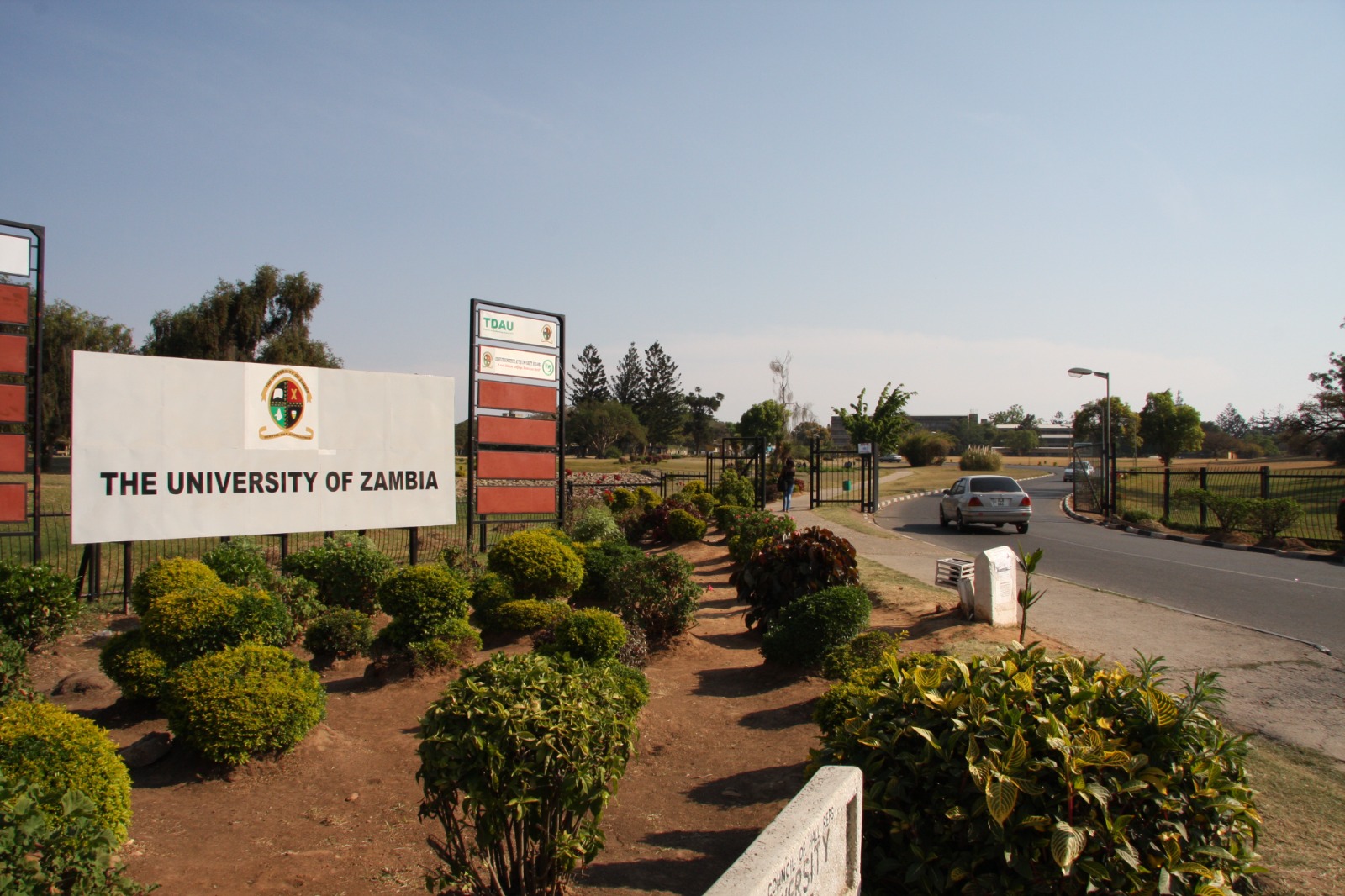
More than a decade ago, a student at the University of Zambia described the institution as “appalling”. Lecture rooms leaked when it rained. Hostels were overcrowded. Sewer systems were broken. Students lived, studied, and slept in conditions that raised a fundamental question: how have standards at Zambia’s premier university been allowed to fall so far?
Looking Back
Mired in debt estimated to be at least K1 trillion, Zambia’s bastion of higher education, UNZA, appears to be crumbling under the burden of poor funding, low staff numbers, inadequate facilities and an out-of-date curriculum. Charles Mafa investigates.
Picture the scene. A poor boy from the rural area works hard at his local school, passes his exams with flying colours, then comes to Lusaka for the first time to get a degree, only to find a crumbling university education system and nowhere to sleep.
It may sound dramatic, but sadly this is the reality facing many Zambian students seeking to further their education.
Take 24-year-old Arnold Mudenda*. Mudenda, who recently obtained a degree in demography at the University of Zambia (UNZA), describes his four-year stay at the campus as “disturbing”. He says the living and teaching conditions at the nation’s highest learning institution were “appalling”.
“In many instances, the lecturer teaches over 200 students in one class without the PA (public address) system and the lecture rooms are too small for such a number,” he said.
University education is the engine for providing young people with the skills needed to get a decent job. UNZA was created by the Zambian government in 1966 shortly after independence to be a leader in the provision of higher education in the region and to produce professionally trained human resources for the new country’s growing economy.
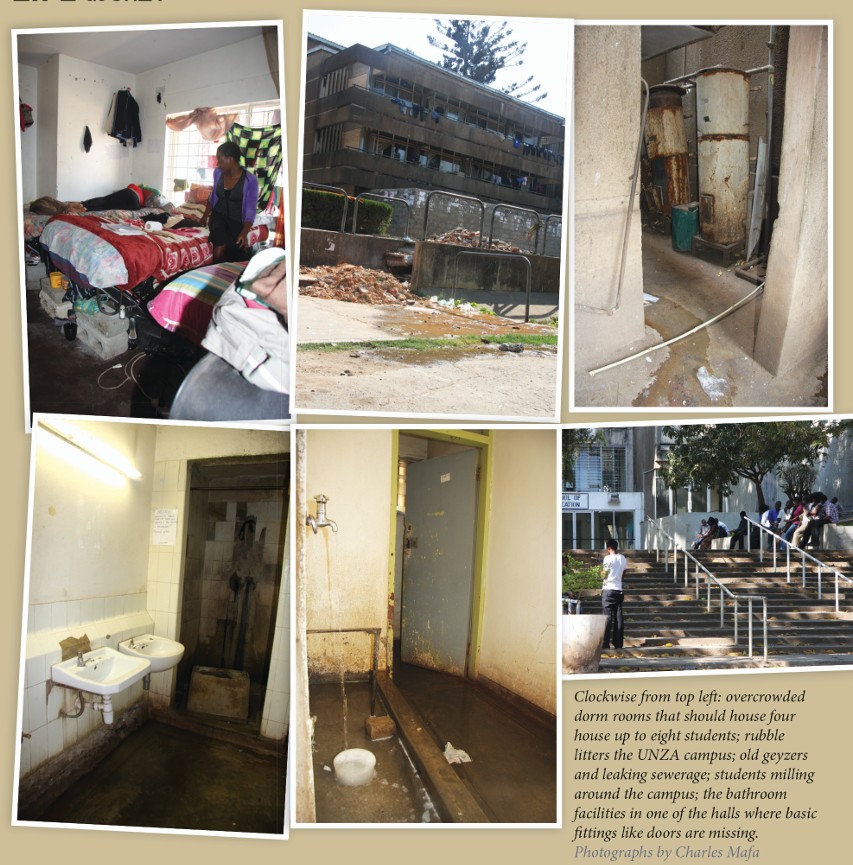
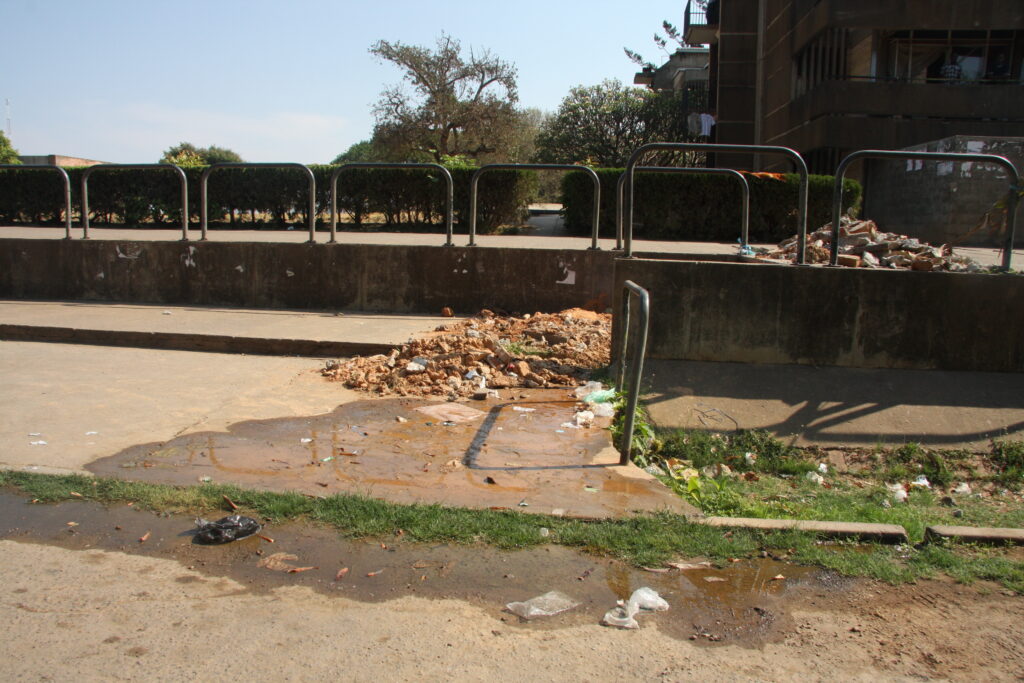
However, the institution’s original goals are now under threat from inadequate funding, overcrowding, low staff levels and a lack of investment in infrastructure. Many of the students interviewed for this piece said most lecture rooms at the Great East Road campus were in a dilapidated state, many with leaking roofs, creating severe difficulties for students to learn during the rainy season.
“There are leakages in almost every lecture theatre. In the rainy season you will find that a student has to move, relocate in the process of learning, and that is an inconvenience,” said Ali Tunkara, the students’ union representative.
Libraries within universities have long been regarded as gateways to information. They not only provide books and space for students to study but also provide resources for research activities. This is not the case for the UNZA library, however.
Sources at the institution reveal that books and other literature are in short supply and there is no funding for periodical subscriptions. In fact, one student described the library as a “living museum” for the university. Tunkara said most of the books that line the library shelves are obsolete and date back as far as 1924.
While old books are obviously not necessarily a bad thing, the problem appears to be that UNZA’s library is not updated with modern books at the same time. This perhaps reflects the institution’s old-fashioned curriculum and criticisms that it is out of step with modern student requirements. Indeed, there is growing concern that the university’s curriculum should be reviewed urgently.
At the 2012 graduation ceremony, the university vice-chancellor, Professor Stephen Simukanga, said most of the current curricula had served the purpose for which they were developed. This is also noted in the Ministry of Education National Implementation Framework of 2008 to 2010. The document states: “Other challenges facing the universities include lack of curriculum responsiveness and relevance to individual, community and national needs.”
Students argue that what is taught at the university does not respond to the changing economic and social environment. Tunkara claims that the current curriculum does not fully prepare students for the workplace.
“It is because of such an approach that we find our curriculum and the quality of the students that are produced from this institution half-baked,” he said.
This difficult situation at UNZA is preparing undergraduates for a job in the real world as no figures detailing how many students find employment upon graduation are available. However, Namucana Musiwa, managing consultant at Career Prospects, an employment agency based in Lusaka, speaks of the need to “develop more home-grown theories and principles that students can relate to and which they can easily apply”, backing up complaints that the university curriculum is overdue a revamp.
But these are not the only problems the university is facing. Students say staying at the university hostels is like living in exile in your own country. Mr Tunkara describes the accommodation situation as “pathetic”.
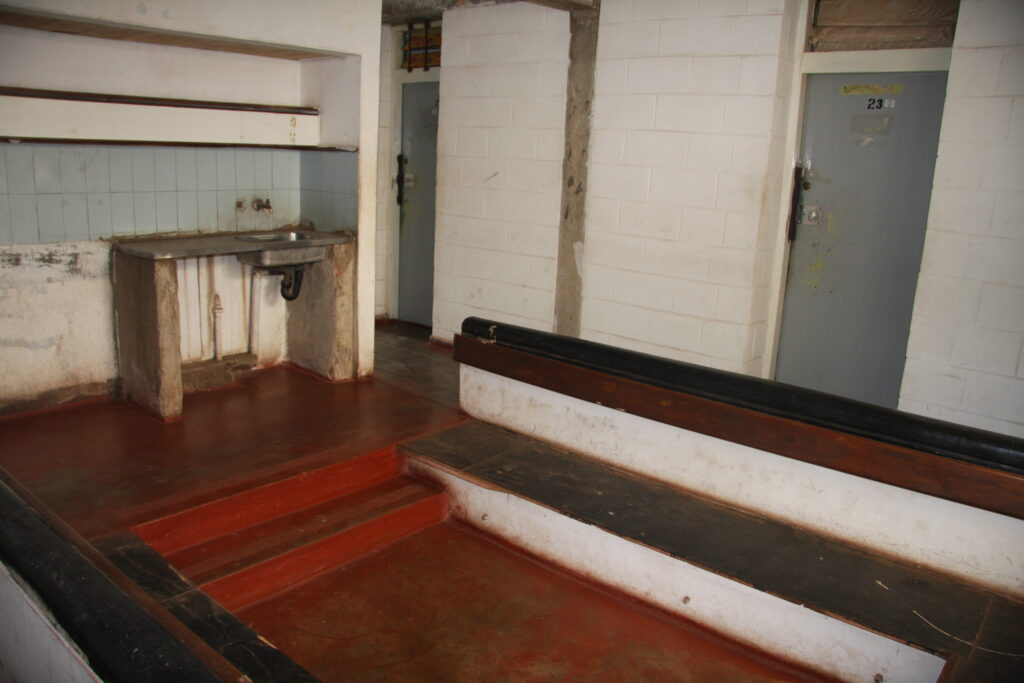
Apart from the new Levy Mwanawasa hostels, the old students’ hostels are congested and in a state of disrepair. More than 60% of the students are not accommodated and, in some cases, eight students share a room that is supposed to accommodate only two people.
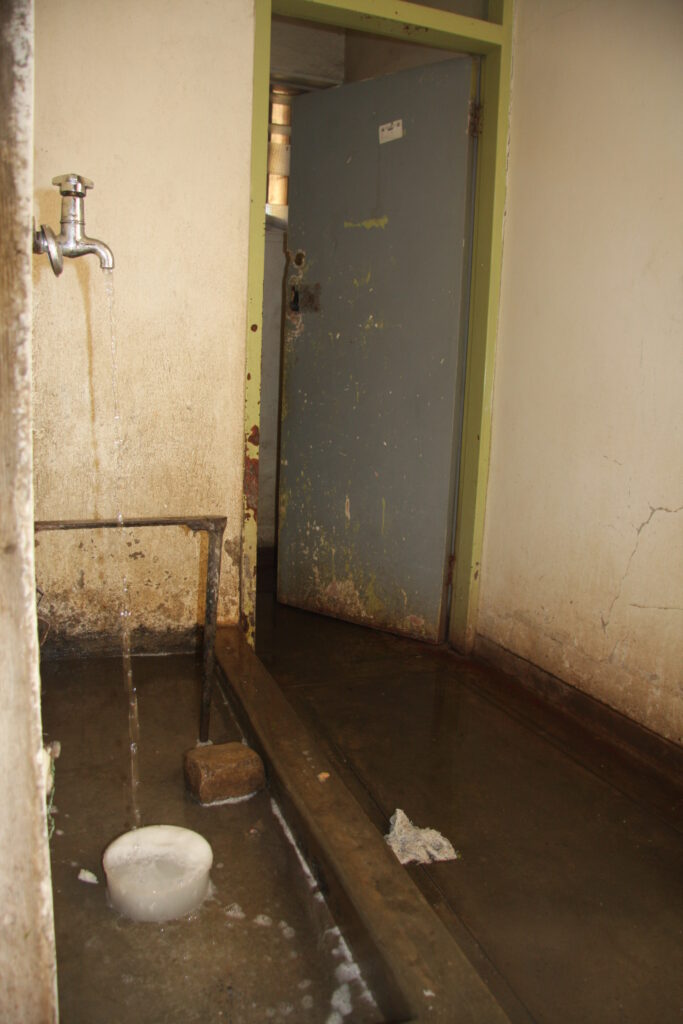
In Soweto Hostel, tiny rooms of around four metres by two metres are stacked with four beds shared by eight female students. It is worse in other hostels, such as Africa Hostel, which is for male students. Walking down the dark corridors, you have to watch out for discharge from broken sewer systems. Students have to slum it in small rooms and over 30 of them share one toilet and shower, while other sanitary facilities are broken.
The university international liaison and public relations manager Mulenga Musepa assured that the problem of accommodation will soon be a thing of the past. Plans to put up more hostels which will accommodate all the students are underway. “Therefore, the problem of accommodation will be overcome,” Mr Musepa said.
He attributed the great demand for campus accommodation to the “conducive studying environment” within the university, adding that UNZA currently has 3,736 bed spaces for a student population of about 10,500.
The university’s inadequate accommodation, under-staffing, poor learning materials and courses that do not necessarily help modern graduates to get a job raises the question: how has UNZA been allowed to fall into such a state of disrepair?
It seems the nation’s higher learning institution has faced serious political and financial neglect for a long time, with successive Zambian governments deserting the institution.
In 2010, Professor Simukanga revealed at a conference in Ghana that the “poor lecturer student ratio stood at 1:27”. He also added that though the problem of brain drain was not as serious as it was in the 1980s and 1990s, the main problem is in-country brain drain to private universities as well as moonlighting.
Academic and administrative departments are operating below 50% of their required staff numbers, according to UNZA’s strategic plan for 2008 to 2012.
Lecturers claim they are the most poorly paid in the southern region and that they are not given decent accommodation. Dr Euston Chiputa, president of researchers and lecturers union, UNZALARU, would not disclose how much UNZA is receiving in terms of public funding but did commend the Patriotic Front government for the recent salary upward adjustments.
The researchers’ and lecturers’ representatives said well over 500 lecturers or more than 600 academic staff are needed.
Experts say in the 1990s, the university suffered under the brunt of government austerity measures designed to tame inflation and cut spending.
Dr Chiputa says the arrival of the Movement for Multi-Party Democracy (MMD) into government in 1991 saw them do away with the quarterly funding system and introduce a monthly cash budget. The quarterly funding system allowed the university to have cash to use in the next three months thereby making it easier to plan expenditure. The current monthly budget system often leads to erratic funding, meaning that teachers are sometimes not paid on time.
In 1997, then President Frederick Chiluba appointed a Commission of Inquiry into the operations of Zambia’s public universities, citing “incessant disturbances that quite often compelled the university authorities to close the institutions”. The commission recommended urgent investment in infrastructure, improved planning, and stronger accountability. Yet many of these reforms were never implemented.
The university is a public institution and government continues to play a crucial role through policy direction and provision of financial support in the form of grants and bursary remittances for government-sponsored students. However, the release of both grants and bursaries by government has not been without challenges, including delays and budget cuts.
In addition, the university has huge debts that need to be settled. According to official documents, as at December 2007 it owed various institutions a total of over K261 billion. Dr Chiputa said this figure is now well over K1 trillion.
Most of this debt can be explained. This is the debt that is owed mostly to ZRA (Zambia Revenue Authority). Some of it is owed to superannuation; some of it is owed to NAPSA (National Pension Scheme Authority),” Dr Chiputa said.
He added: “What the university did to find money to pay these creditors, gratuities and retirement benefits, was not the bother of government. That is why a lot of us had a very big bone to chew with the MMD government because of their neglect of university education.”
The current government has said it is aware of the challenges facing the nation’s higher institution of learning. President Sata said during the official opening of parliament that “our universities and colleges…are faced with a shortage of staff and appropriate teaching and learning materials.”
Ministry of Education spokesperson Terence Mushamba said plans are underway to expand existing universities and build new ones. The question that remains, however, is how will all this be funded?
For example, the graduation rate has continued to increase. The number of graduates rose from 906 in 2003 to more than 1,700 in 2007.
Veteran politician Simon Zukas, who was involved in the construction of the university and served on its council from 1966 until 1990, believes the university can restore its reputation as the country’s bastion of higher education if it is left to run its own affairs.
“I think they [government] must just keep out. Yes, they must provide funding but they should leave the universities to be self-governing.”
Some of the individuals featured in this article have since passed away. May their souls rest in peace.
This story was originally published in the December 2012–January 2013 edition of the Bulletin & Record magazine.

Discover more from MAKANDAY
Subscribe to get the latest posts sent to your email.