

A newly approved mine by a Chinese-owned company has moved machinery into a forest area linked to a major REDD+ carbon project — raising alarm over land rights, livelihoods, wildlife, and Zambia’s climate commitments.
By Womba Kasela
A quiet invasion at dawn
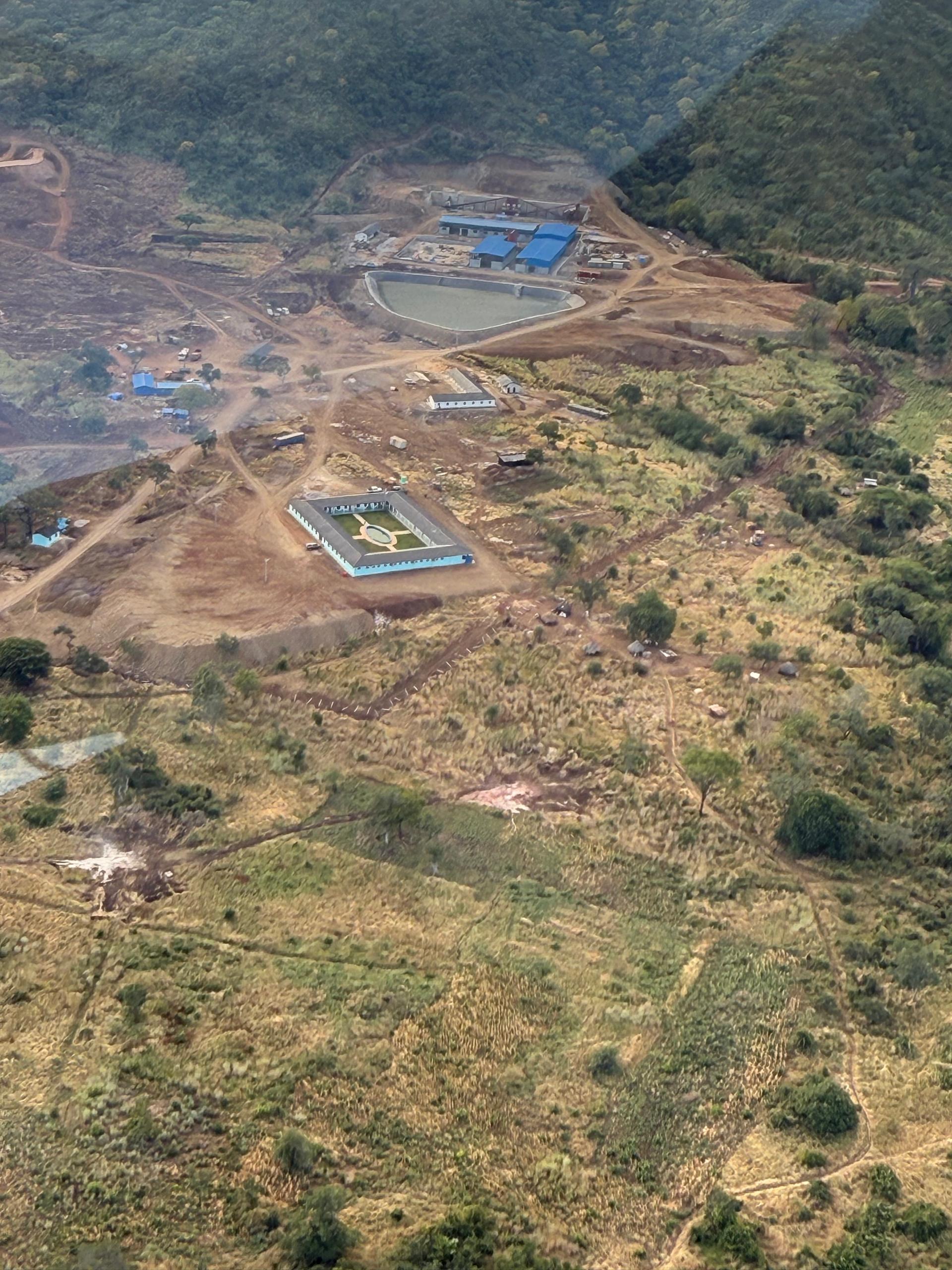
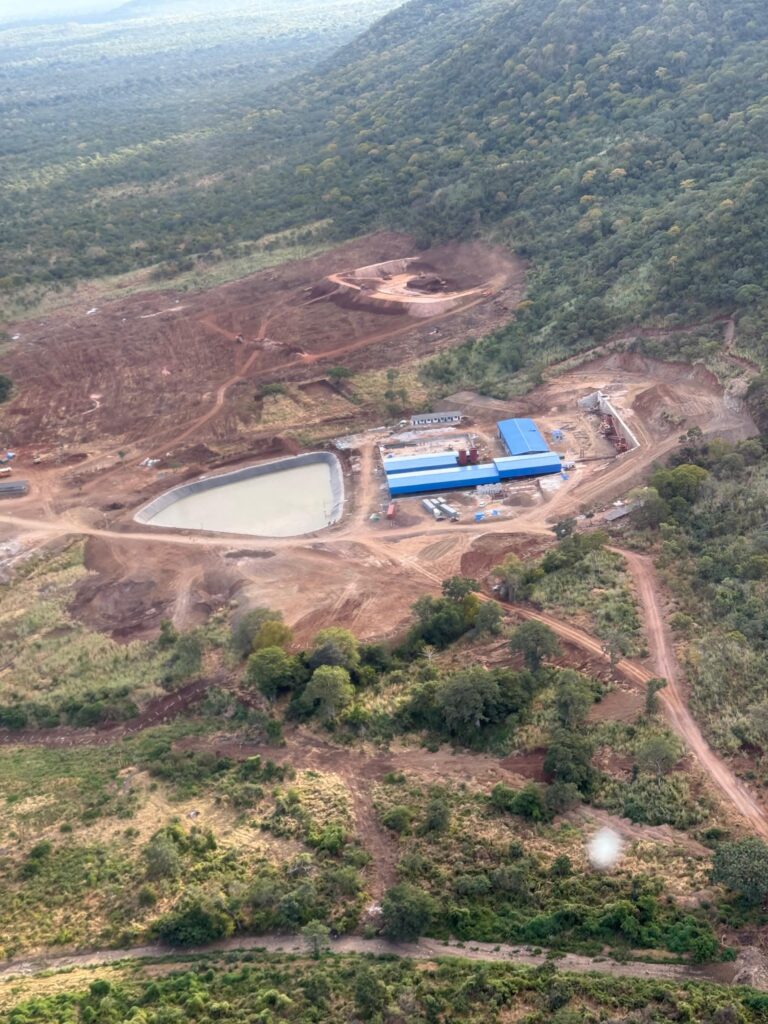
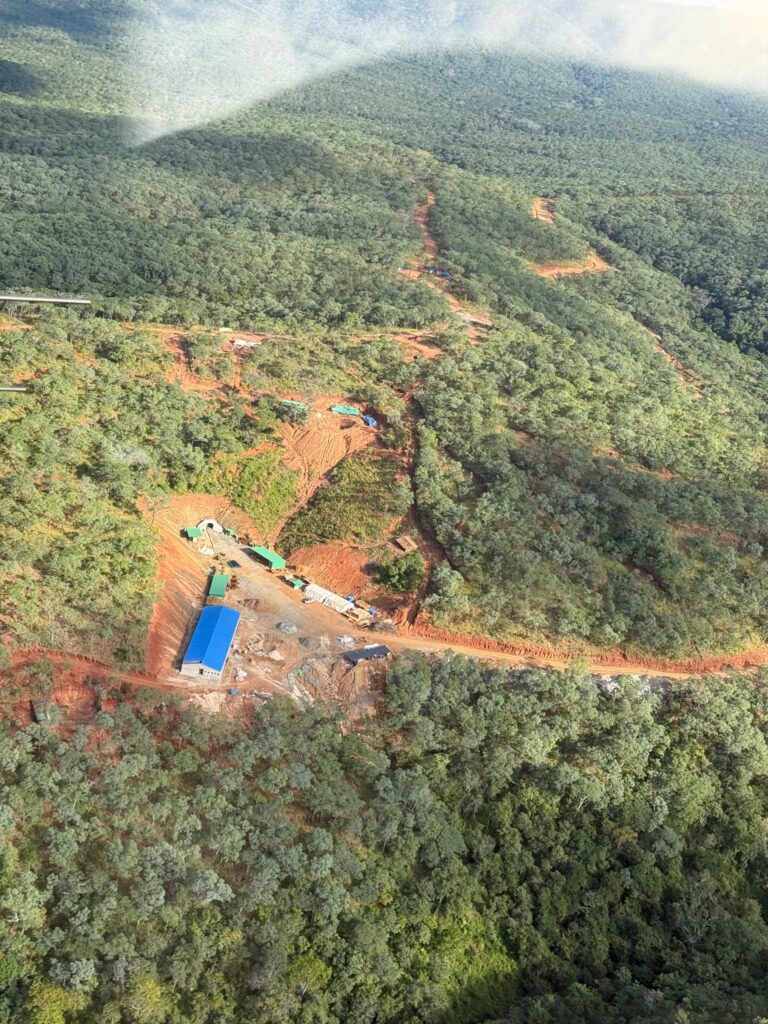
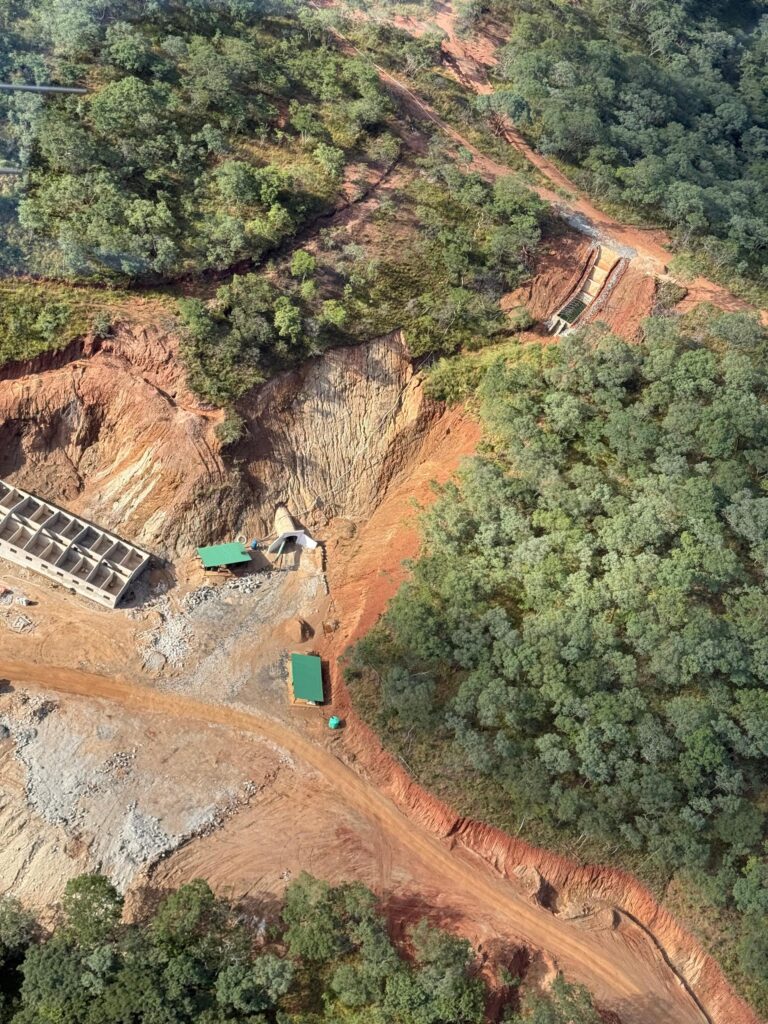
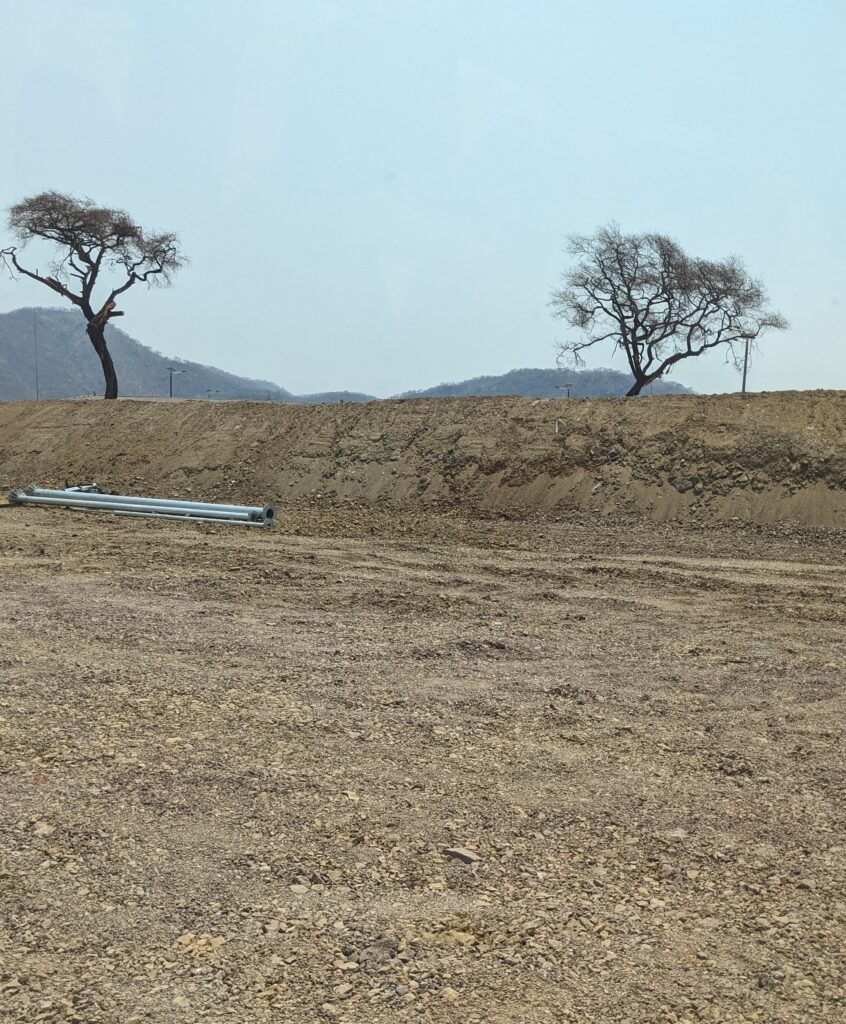
At sunrise, the hills of the Muchinga Escarpment echo with the groaning of heavy machinery — drowning out the birdsong and elephant calls that once defined the Chiawa Game Management Area (GMA). Behind a newly erected wire fence, trees lie uprooted, heaps of earth rise like new hills, and a processing plant takes shape where wildlife once roamed freely.
This is the emerging footprint of Deco Luck Investments Limited, a little-known mining company that has quietly set up operations in one of Zambia’s most ecologically sensitive landscapes. Its presence has triggered outrage among residents, conservationists, and tourism operators, who fear the mine could permanently scar the ecosystem and undermine local incomes.

A project shrouded in secrecy
How a new mine appeared — almost unnoticed
The mine is located in Kafue district, and is expected to begin full operations before the end of the year. It follows the controversial footsteps of Mwembeshi Resources, whose plan to mine inside the Lower Zambezi National Park was halted after massive public outcry. But where Mwembeshi failed, Deco Luck appears to have slipped through the cracks of oversight and community scrutiny.
Documents reviewed by MakanDay reveal that the exploration licence was originally issued to Sino Mine Resource Geological Engineering Company Limited.
The licence was later transferred in 2022 to Deco Luck Investments, a company whose PACRA records show directors Cao Chujun and Sun Lei, with Sun Deli listed as shareholder, all Chinese nationals.
However, a critical timeline discrepancy raises questions about legality and procedure. A press query was sent to the Permanent Secretary at the Ministry of Mines and Mineral Development, Dr Hapenga Kabeta, but several follow-up attempts went unanswered. When he eventually responded a week later, he indicated that the ministry’s principal public relations officer, Shamwinda Tembo, would handle the query. To date, no response has been provided.
Deco Luck was incorporated on 13 September 2022.
Yet a mining licence transfer agreement between Sino Mine and Deco Luck—obtained from the ZEMA website, shows the transfer was approved months earlier, on 08 June 2022, valued at K2 million.
This means the licence was transferred to a company that did not yet legally exist, a red flag under the Mines and Minerals Development Act.
ZEMA approval and a royal signature — but no community voice
In September 2024, ZEMA approved Deco Luck’s Environmental Impact Statement (EIS), on condition that the company obtain consent from the local royal establishment before commencing operations.
By late 2024, the Chiyaba Royal Establishment issued a letter confirming its approval.
“With the authority bestowed upon me as head of the chiefdom, I hereby certify and confirm that Deco Luck Investments Limited has been granted the rights for the exploration of minerals in Chiyaba Chiefdom,” read the signed document,” reads the letter.
But behind this official green light lies a story of silence, confusion, and deep community division.
A source within the royal establishment contradicted the public position, saying the decision was made without community consultation.
“The community was never consulted,” said a source from the royal establishment. “The same land allocated for mining had earlier been designated for community forest management under the REDD+ carbon reduction project by BioCarbon Partners (BCP) in 2022.”
REDD+, which stands for Reducing Emissions from Deforestation and Forest Degradation, plus conservation, sustainable forest management and enhancement of forest carbon stocks, is a UN-backed framework that allows forests to be protected and managed to reduce carbon emissions, often generating carbon credits while restricting destructive land uses such as mining.
The REDD+ contradiction: forest protection vs mining expansion
The contested land overlaps with areas designated under the Luangwa Community Forests Project, one of Africa’s largest REDD+ programmes, covering 2.1 million hectares, with Chiawa contributing over 68,200 hectares.
REDD+ zones are meant to protect forests from degradation and extractive threats such as commercial mining.
These initiatives form part of Zambia’s climate commitments under the UNFCCC, meaning the country has pledged internationally to protect forests and reduce emissions as part of its response to climate change.
UNFCCC stands for the United Nations Framework Convention on Climate Change.
It is an international treaty adopted in 1992 that provides the global framework through which countries commit to reduce greenhouse-gas emissions, protect ecosystems, and adapt to climate change.
Because Zambia’s forest protection and emission-reduction commitments fall under the UNFCCC, decisions that permit mining or deforestation in designated areas raise questions about compliance with both national law and international climate obligations.
BCP Project Coordinator, Solomon Kazadi, declined to comment on land allocations, directing questions to the Community Forest Management Group and the royal establishment.
However, he emphasised: “REDD+ zones are legally protected through Community Forest Management Partnership Agreements and Form four submissions, which record community consent, forest boundaries, and prohibited activities such as commercial mining. These safeguards enable communities to challenge any incompatible land use that threatens their forests or carbon rights.”
This suggests that if mining overlaps with REDD+ zones, there may be grounds for a legal challenge.
Tourism or tailings? A region torn between two futures
Chiawa lies at the heart of the Lower Zambezi ecosystem — home to elephants, lions, leopards, and hundreds of bird species. Tourism brings in steady revenue and supports community projects.
But mining brings short-term jobs and long-term scars.
A conservation source warned.
“Mining may create short-term jobs, but tourism has no lifespan. Once the minerals are gone, the company will leave, and the damage cannot be undone.”
Experts also warn that noise and blasting could drive wildlife into villages, worsening already tense human–wildlife conflict.
Promises broken: local people feel betrayed
In Kanyangala village, farmer Musifu Kakumbo recalls joining mine setup work in search of better income. Instead, he earned K50 per day, received no meals, and was frequently replaced.
“They keep removing people,” he said. “You work for a few weeks, and then they replace you. I have eight children, K50 a day was not enough and I have since gone back to farming.”
Other residents echo similar frustrations, outsiders are being prioritised for work, despite promises that locals would be first in line.
Chitende Ward Councillor Paul Kajiye confirmed receiving several complaints.
“They were told the mine would bring jobs, but that hasn’t happened,” Kajiye said. “People are angry and feel used.”
A senior headman, however, defended the approval, saying the community felt neglected by wildlife authorities and hoped the mine would bring long-overdue benefits.
“When animals attack us, ZAWA (wildlife authority) says there’s no fuel. We thought the mine would help us, they even promised to buy vehicles for our headmen. We’re still waiting.”
When asked whether the land allocated to the mine was part of the BCP project, he denied stating that the land for the REDD+ project remains intact and is not the land where the mine is set to begin operations.
Company defends itself; environmental risks remain
Deco Luck’s Human Resource Manager, Kennedy Mubanga, dismissed allegations of exploitation or any wrongdoing.
“Those claims are false,” he said. “We have employed locals and are fully compliant with government regulations. The people spreading lies are former subcontractors who no longer work with us.”
Environmental activist Richard Kakuwa argues otherwise, warning that mining “robs animals of their very existence” and that pollutants can linger for decades, contaminating water systems and affecting human health.
He further notes, “despite EIAs, the damage continues because many companies do not follow the guidelines along the way”.
The unanswered question: who protects Chiawa’s forests?
As bulldozers keep carving into the escarpment, Chiawa sits at a crossroads, between economic desperation and ecological collapse.
“We believe we will benefit from the mines and not tourism,” said the senior headman.



Womba is a fellow under the Wildlife Crime Prevention (WCP) environmental fellowship for journalists.
The MakanDay Centre for Investigative Journalism, in partnership with WCP, supported the reporting of this story.


Discover more from MAKANDAY
Subscribe to get the latest posts sent to your email.


