

By Valentine Mukuka | Ndola
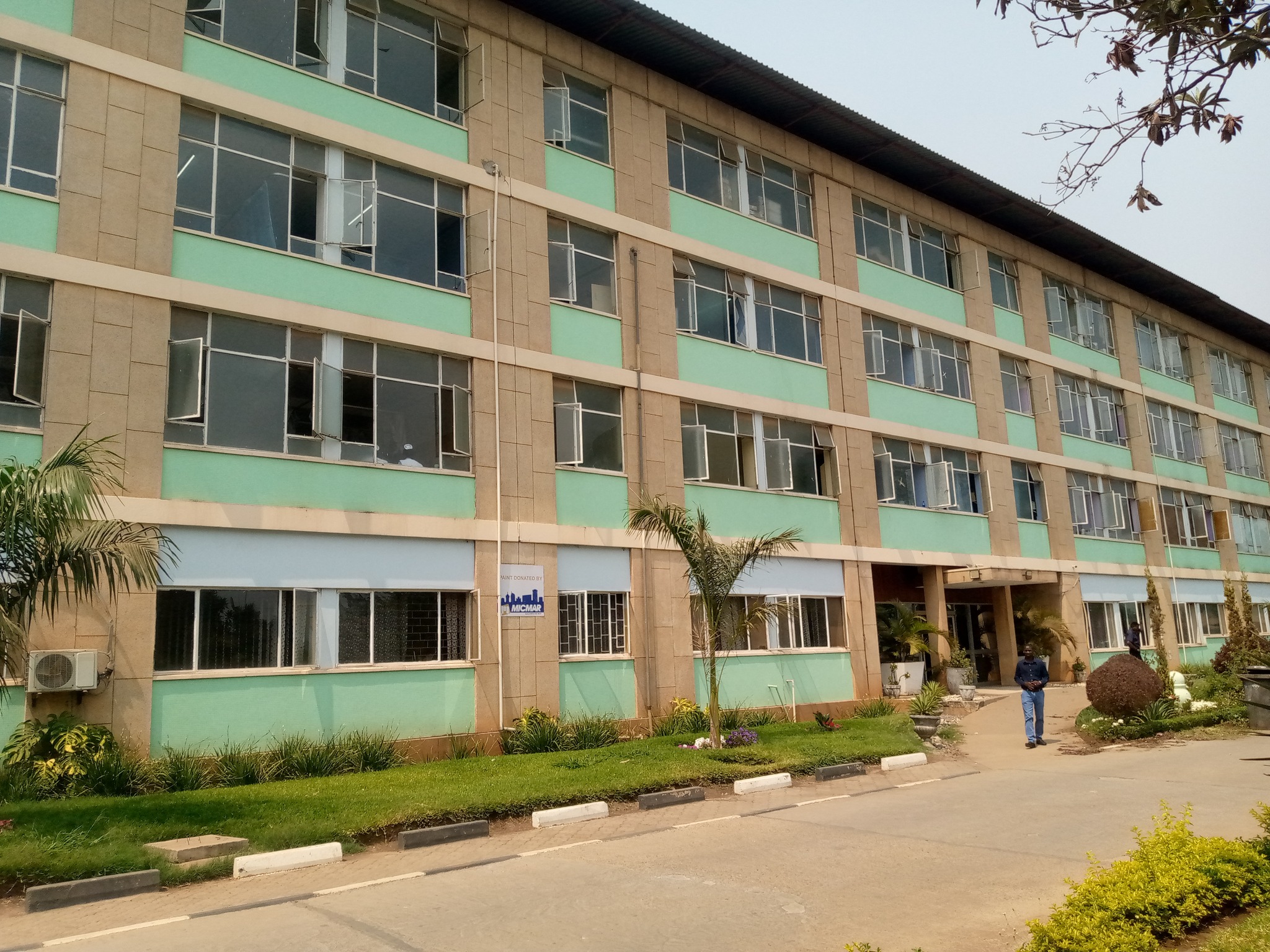
At Ndola Teaching Hospital on the Copperbelt, one of Zambia’s major public referral facilities, patients are routinely directed to private laboratories located just outside its gates—raising questions about whether capacity constraints alone explain the practice, or whether deeper systemic and ethical concerns are at play.
For Chungu Kapema, a Ndola resident, the experience was frustrating.
“You go to a big hospital expecting everything to be done there. But they tell you to go to a private lab. If you don’t have money, your treatment just stops,” Kapema remarked.
Just outside the hospital along Nkana Road, a cluster of private laboratories operates within a short walking distance of the hospital—some only a few metres from the main gate.
This raises questions about why patients are being referred outside for services expected at a public referral hospital.
Patients told Radio Icengelo that these referrals increase medical costs, delay treatment, and in some cases force families to abandon care altogether.
Health workers and officials blame it on capacity constraints, such as shortages of reagents, frequent equipment breakdowns, and a lack of specialised staff.
But insiders say capacity alone does not explain the scale of the problem.
“Yes, sometimes capacity is an issue. But there are cases where equipment is available and still not used. Some referrals raise serious questions,” said one of the workers in the hospital.
Patients and health workers say tests that cost less than fifty kwacha at public facilities can cost four times more at private laboratories.
“I did a test at Ndola Teaching Hospital costing K50 but again I was referred to do the same test at a private facility and it costs K700. I was forced to start searching for a cheaper facility because I didn’t have the K700,” said Maluba Sitali, a patient.
Beyond the financial burden, referrals also create delays, as patients must return to the hospital with results for interpretation, slowing treatment further.
The issue of referrals to private laboratories is not new.
In November 2022, then Minister of Health Sylvia Masebo acknowledged that some public hospitals were referring patients to private labs due to personal interests of health workers.
She directed that private laboratories should not operate within public hospital premises, warning that conflicts of interest were undermining public health services.
Nearly three years later, patients say the practice continues.
Veteran clinician David Mulendema, who worked in various public hospitals in the country for more than 30 years, says conflicts of interest in referrals have long existed.
“Sometimes health workers refer patients to facilities where they work part-time. That is unethical. Public service must benefit patients, not individuals.”
While Radio Icengelo could not independently verify allegations of kickbacks, experts warn that weak oversight and unclear referral systems leave room for abuse.
Ndola Teaching Hospital did not respond to questions on referral protocols, equipment availability, or enforcement of the 2022 directive, at the time of publication.
However, Copperbelt Provincial Health Director Dr. Charles Mwinuna confirmed that Ndola Teaching Hospital refers patients to private laboratories but dismissed claims that the practice has become widespread.
Ministry of Health Permanent Secretary Dr. Kennedy Lishimpi said the government is working to build capacity in public health facilities so they can provide services currently outsourced to private laboratories and pharmacies.
Immediate past Health Minister Dr. Elijah Muchima had warned that it is against ministry of health’s policy for health workers to refer patients to private laboratories or pharmacies when public facilities have the capacity to offer those services.
Health policy experts caution that unchecked referrals to private providers undermine Zambia’s commitment to universal health coverage.
They say when public hospitals fail to deliver essential services, patients pay twice—first through taxes, and again through out-of-pocket medical costs.
(This story was produced by Radio Icengelo and fact-checked by Makanday Centre for Investigative Journalism)


Discover more from MAKANDAY
Subscribe to get the latest posts sent to your email.


