


The illegal construction of 18 structures in parts of Kabwata echoes a pattern seen during the Patriotic Front’s time in government, when party cadres were accused of putting up structures without authorisation.
This time, the Lusaka City Council demolished the structures. But the demolition has not answered the key questions: What happens to those who commissioned the construction? Who paid for it? And how were the structures allowed to be built on road reserves before the authorities intervened?
By Gibson Zulu
One morning, residents of Kabwata, east of Lusaka’s central business district, woke up to find parts of their neighbourhood transformed into construction sites. Some of the new structures had been erected directly beneath ZESCO power lines near the junction of Nationalist and Tokyo Way roads.
Someone had bought the building materials. Someone had hired the workers. And, presumably, someone expected to benefit once construction was complete.
Yet, after the structures were demolished, the council says it cannot reliably identify the people behind their construction.
Before the demolition, MakanDay had asked the council to establish who initiated or financed the developments and how construction had been able to proceed.
The council confirmed that it could not reliably identify the people behind the construction. However, one resident alleged that those involved appeared to have used connections to the ruling party and political influence to facilitate the developments.
MakanDay contacted the UPND for comment on the allegation and asked whether any of its officials or members were connected to the developments. The party had not responded by the time of publication.
Council Deputy Public Relations Officer Bulumba Nyambe said some of those involved might themselves have been sold land illegally.
As Lusaka expands, so does pressure on land needed for roads and other public infrastructure. When developments encroach on land reserved for such purposes, but observers say demolishing them may solve the immediate problem. It does not explain how they got there – or why they were not stopped earlier.
A resident raises the alarm
In Kabwata, it took a resident’s complaint and media pressure to bring the developments to the council’s attention.
Helena Nyatanga Chibwe said she had visited the Town Clerk’s office to raise concerns about the construction. The council subsequently sent two officers to inspect the area.
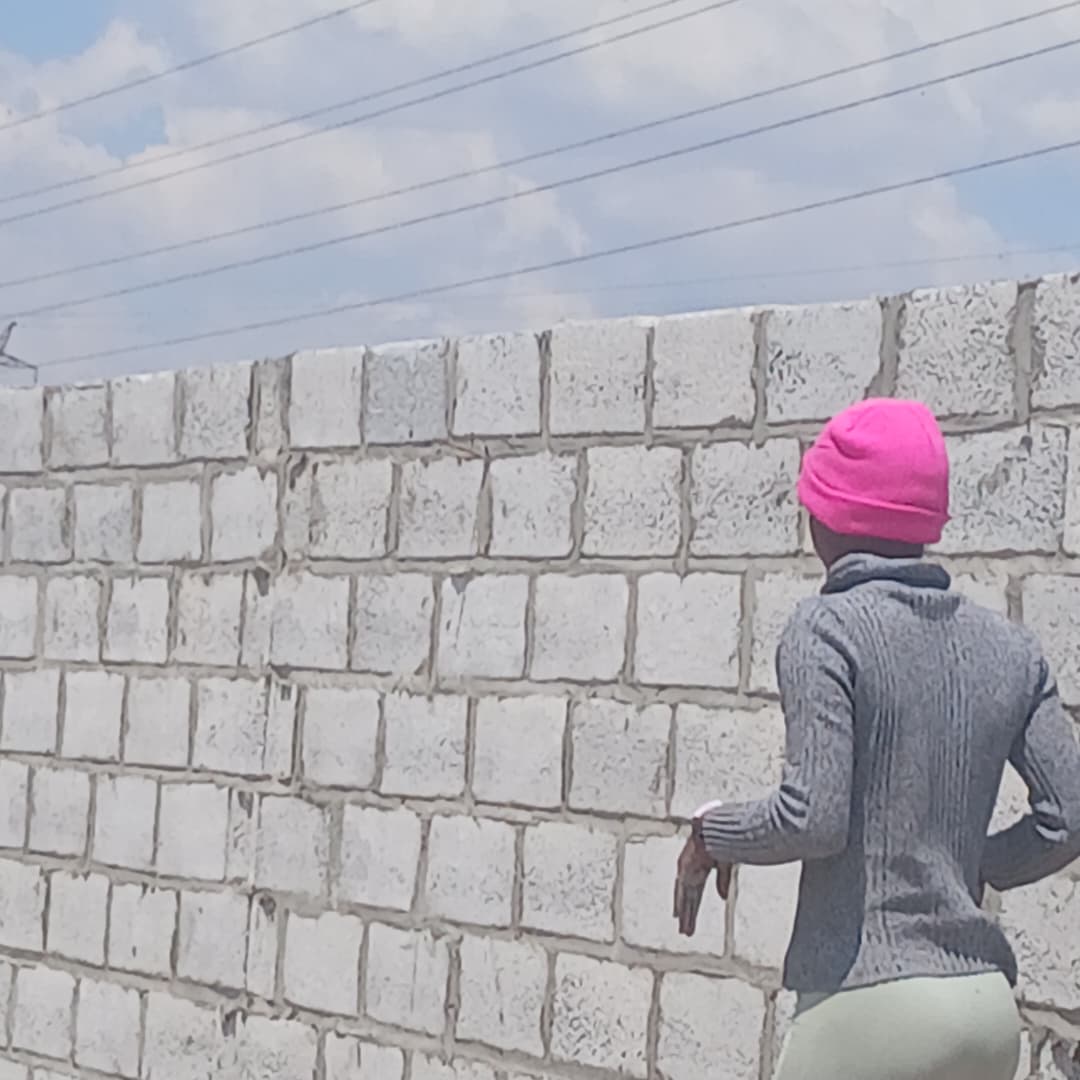
According to Nyambe, officials found boundary walls, mobile-money booths and a car wash among the structures. Some had been constructed along road reserves, while others were located along Tokyo Way, near Ring Road and Nationalist Road.
What remains unclear is why no action was taken against the people found carrying out the construction, despite their failure to comply with the council’s instruction to stop and remove the structures.
For one of the residents, Chibwe, however, knocking them down answered only half the question.
“Yes, the council has demolished these infrastructures, but they need to tell us who was building those structures,” she told MakanDay.
Plenty of workers, but who was the boss?
Before the demolition, MakanDay visited the area and found construction underway. Young men and women were carrying blocks and doing building work.
One worker told MakanDay they were being paid and expected to receive the balance once the work was completed.
One of the residents told MakanDay that the workers were not known in the community and appeared to have been brought in from elsewhere.
MakanDay has asked LCC to establish who was behind the developments. One resident said that while the council had dealt with the most visible problem by demolishing the structures, the bigger questions remained unanswered.
“What it has not explained is who put them there in the first place — and how construction was able to proceed under the council’s watch,” she said.

Discover more from MAKANDAY
Subscribe to get the latest posts sent to your email.