

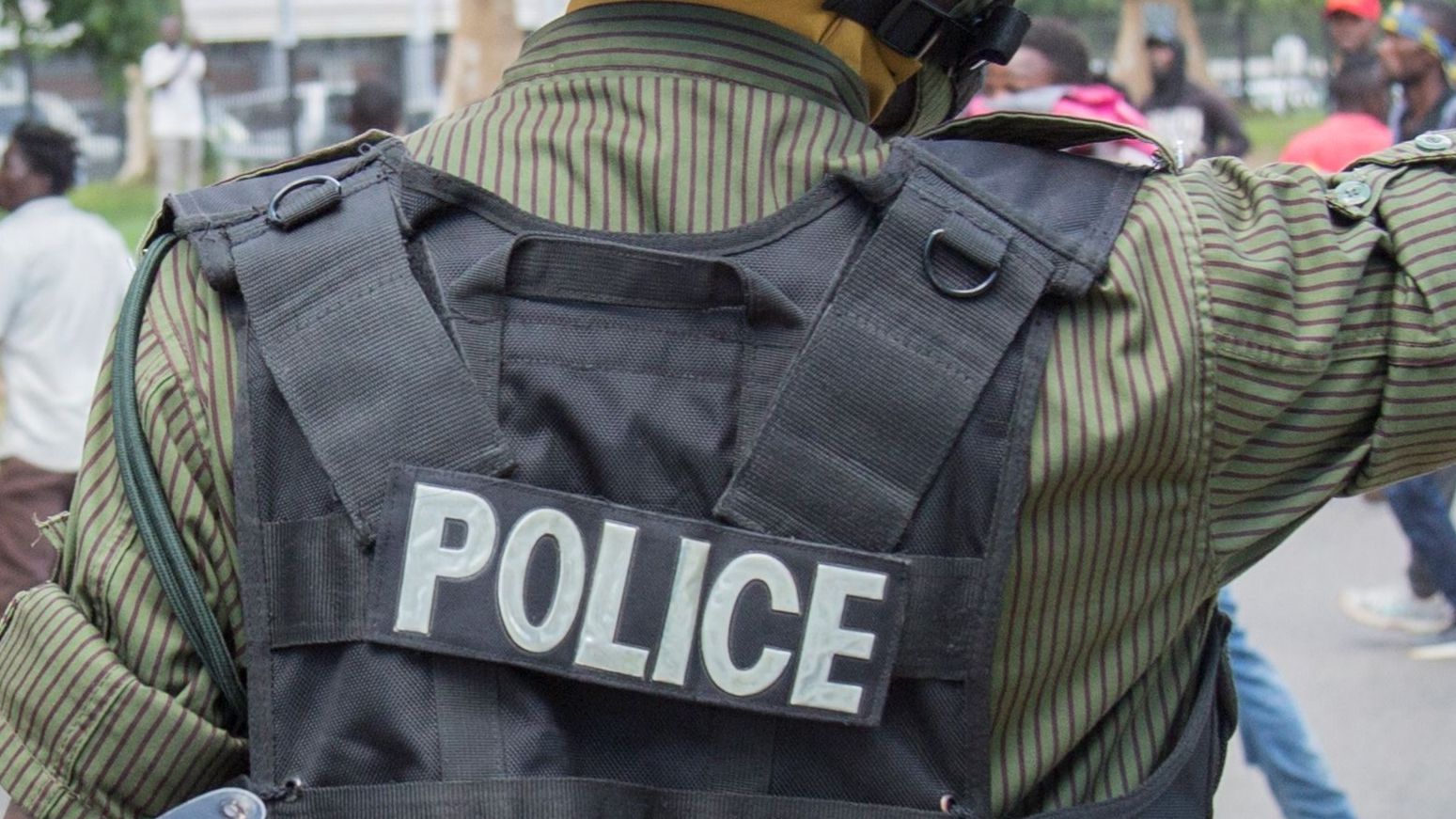
4 March marked Zambia Police Day, an occasion set aside to recognise the work and sacrifices of officers tasked with maintaining law and order across the country. The day celebrates the role of the police in protecting lives, safeguarding property, and upholding the rule of law.
But beyond the parades, speeches and public recognition, Police Day should also serve as a moment of reflection. It offers an opportunity for a broader national conversation about whether the police are adequately equipped, supported, and structured to carry out their mandate effectively.
The Zambia Police Service defines its mission as “to enforce the law for a secure and peaceful environment”. Yet fulfilling that mission requires more than dedication alone.
Effective policing depends on adequate personnel, modern investigative tools, reliable operational resources, and strong institutional accountability.
In reality, Zambia’s police operate under significant structural strain.
The service currently has about 22,000 officers serving a population of roughly 20 million people, resulting in a policing ratio of one officer for every 894 citizens. This falls far below the United Nations recommended standard of one officer per 450 citizens, highlighting the growing pressure on the country’s law enforcement system.
In a ministerial statement to parliament in November 2023, Home Affairs and Internal Security Minister Jack Mwiimbu confirmed that the country’s police-to-citizen ratio had worsened to this level.
Behind that statistic lies a deeper problem: a police service stretched beyond its capacity.
With fewer officers available, the police struggle to patrol communities effectively, respond quickly to emergencies, and investigate crimes thoroughly.
Limited transport and operational resources further slow responses and restrict patrols, particularly in rural or hard-to-reach areas.
Housing shortages and inadequate housing and office space also affect morale and operational readiness.
At the same time, gaps in equipment, forensic capacity, and training weaken investigators’ ability to handle complex cases.
Together, these constraints slow investigations, weaken crime prevention, and risk eroding public confidence in the police’s ability to enforce the law effectively.
Our recent reporting illustrates how these structural pressures can surface in real cases.
In the investigation “the Unexplained Deaths – What Happened in That Room?”, police handling of the case raised serious questions about professionalism and transparency.
A similar pattern emerged in the story “Zambia’s ‘Peaceful’ By-Election: Fear, Violence and the Meaning of Silence in Kasama”. During the election period, reports included an assault on a resident, gunshots near the tally centre, and damaged vehicles.
These cases do not necessarily prove wrongdoing by the police. However, they point to a broader institutional concern, a tendency toward limited public communication and slow clarification of serious incidents.
When investigations take too long, when evidence trails remain unclear, or when official explanations are incomplete, public confidence in law enforcement inevitably suffers.
Trust is one of the most important assets a police service can possess. Without it, even well-intentioned policing efforts struggle to gain legitimacy.
Addressing these challenges requires more than simply acknowledging resource constraints. It calls for deliberate reforms that strengthen both capacity and accountability within the police service.
Zambia must gradually increase recruitment to move closer to internationally recommended policing ratios while investing in critical operational logistics such as transport, forensic infrastructure, and modern investigative technologies.
Finally, independent oversight systems must be strengthened to ensure accountability when investigations stall or procedures are not followed. These include parliamentary scrutiny, internal disciplinary mechanisms, and external civilian oversight bodies such as the Police Public Complaints Commission.
Policing is one of the most visible functions of the state. When it works well, citizens feel protected. When it fails, the consequences cut across society.
Strengthening the Zambia Police Service is therefore not simply a budgetary issue. It is a matter of safeguarding justice, maintaining public trust, and ensuring that the institutions responsible for enforcing the law remain worthy of the authority they carry.


Discover more from MAKANDAY
Subscribe to get the latest posts sent to your email.


