


By Gibson
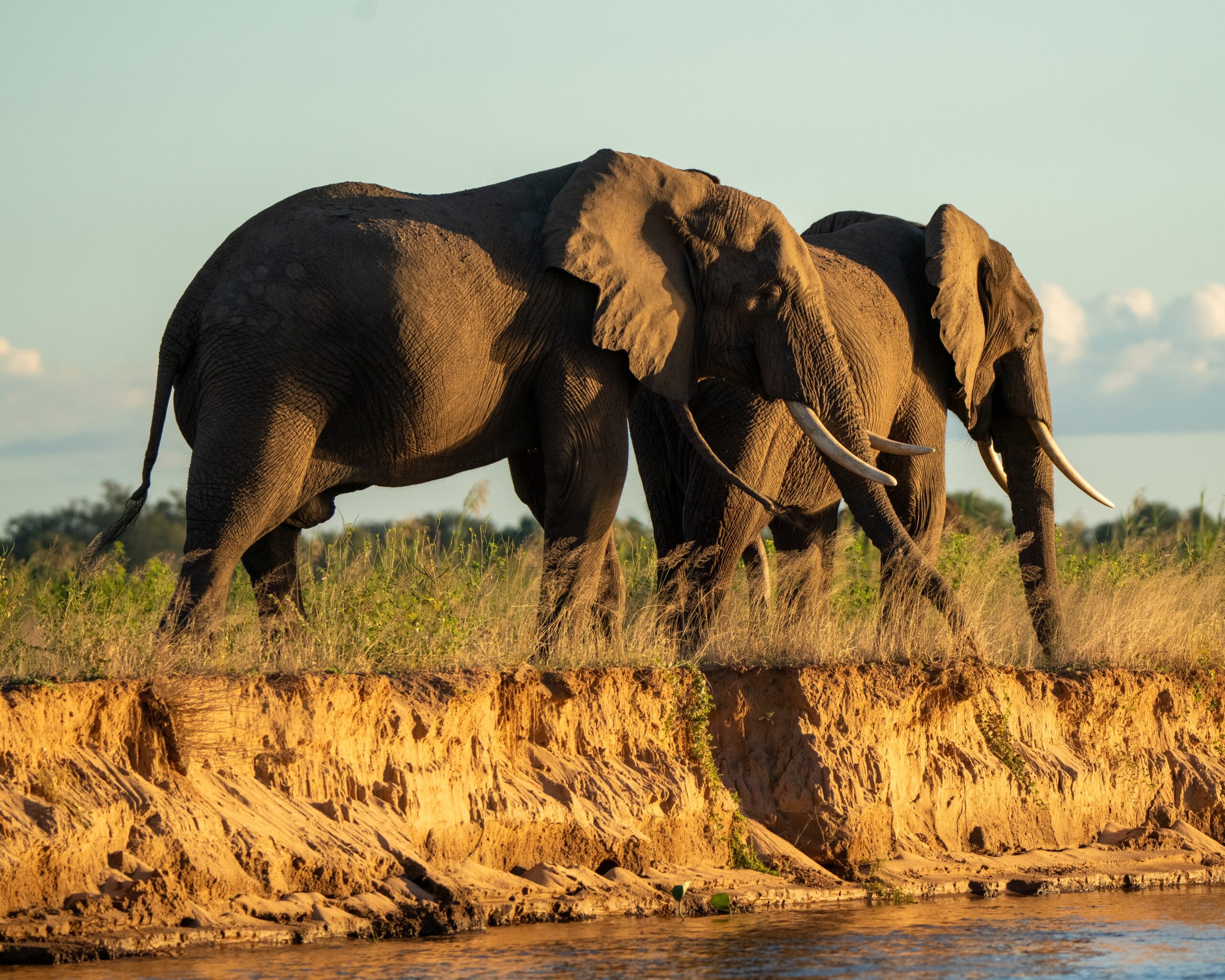
Three men have been sentenced to seven years’ imprisonment after admitting to illegally possessing elephant ivory, elephant meat, a firearm and ammunition in Zambia’s Sioma Ngwezi National Park, one of the country’s most important wildlife conservation areas.
The convictions come as conservation authorities warn that illegal hunting continues to threaten years of efforts to rebuild wildlife populations in the vast protected landscape.
According to the Department of National Parks and Wildlife (DNPW), the three men appeared before Senior Resident Magistrate Chipego Phiri at the Senanga Subordinate Court on 20 July 2026, where they pleaded guilty to multiple wildlife-related offences.
In a statement issued, DNPW identified the convicted men as Pumulo Libwenta (48), Malandiso Malikiso (45), and Twambo Liwanga (47).
The trio was arrested on 27 June 2026 during an anti-poaching operation inside Sioma Ngwezi National Park in Western Province.
Authorities said officers recovered two pairs of elephant ivory, 96 kilogrammes of elephant meat, a .375 rifle and ammunition from the suspects.
A fourth suspect, Samboma Silumbu (30), pleaded not guilty to the charges. His trial is scheduled to begin on 31 July 2026.
The four men were charged under the Zambia Wildlife Act with unlawful possession of a prescribed trophy, unlawful possession of a protected trophy, unlawful possession of a firearm and unlawful possession of ammunition.
For the three who admitted the offences, the court imposed seven years’ imprisonment for unlawful possession of elephant ivory, five years for unlawful possession of elephant meat, and two years each for unlawful possession of a firearm and ammunition.
The sentences will run concurrently, meaning each offender will serve an effective prison term of seven years.
DNPW said the case highlights the continued threat posed by wildlife crime despite conservation gains made in Sioma Ngwezi National Park, Zambia’s third-largest national park and home to elephants, lions, leopards, cheetahs and African wild dogs.
The department noted that wildlife populations in the park have shown signs of recovery following years of intensified protection efforts, but warned that poaching remains a significant challenge.
“The illegal killing of elephants is particularly damaging. Beyond the loss of individual animals, elephants are ecosystem engineers that shape landscapes and play a significant role in supporting Zambia’s tourism industry and the livelihoods that depend on it,” DNPW said.
The department called for continued collaboration between law enforcement agencies, conservation partners, the judiciary and the public to combat wildlife crime.
It also urged members of the public to report suspected wildlife offences to the Department of National Parks and Wildlife or the Zambia Police Service.
Gibson Zulu is a fellow under the Wildlife Crime Prevention (WCP) environmental fellowship for journalists.

Discover more from MAKANDAY
Subscribe to get the latest posts sent to your email.