


By Ennety Munshya
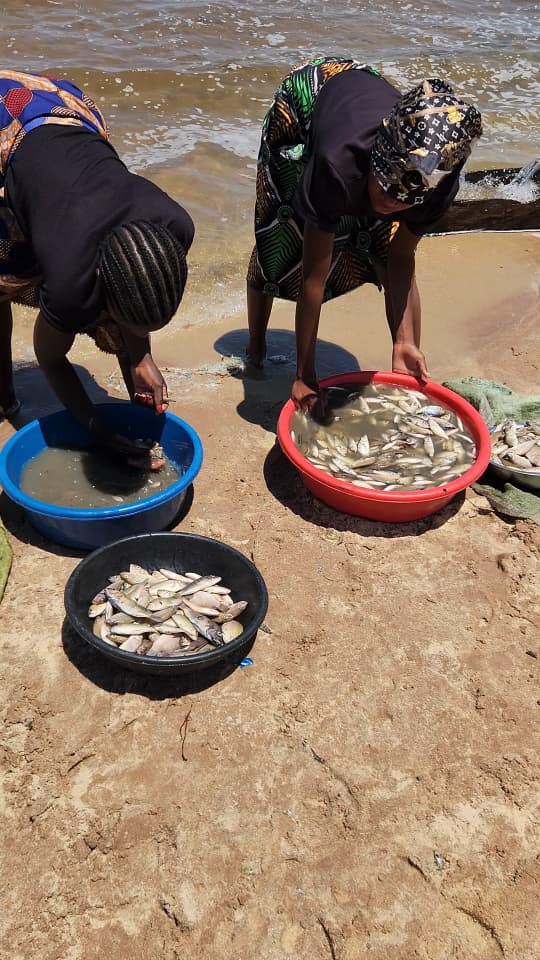
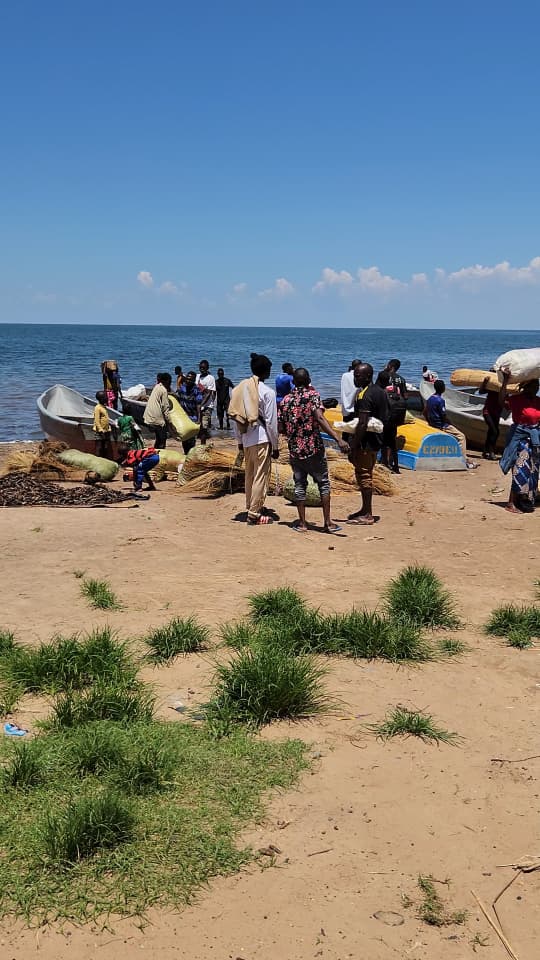
On the shoreline of Lake Bangweulu in Samfya, Luapula Province in northern Zambia, the afternoon harbour is alive with activity. Boats glide toward land, traders gather with plastic dishes and baskets, and fishers unload the day’s catch in a rhythm as old as the lake itself. Yet beneath this busy scene, a quiet crisis is unfolding.
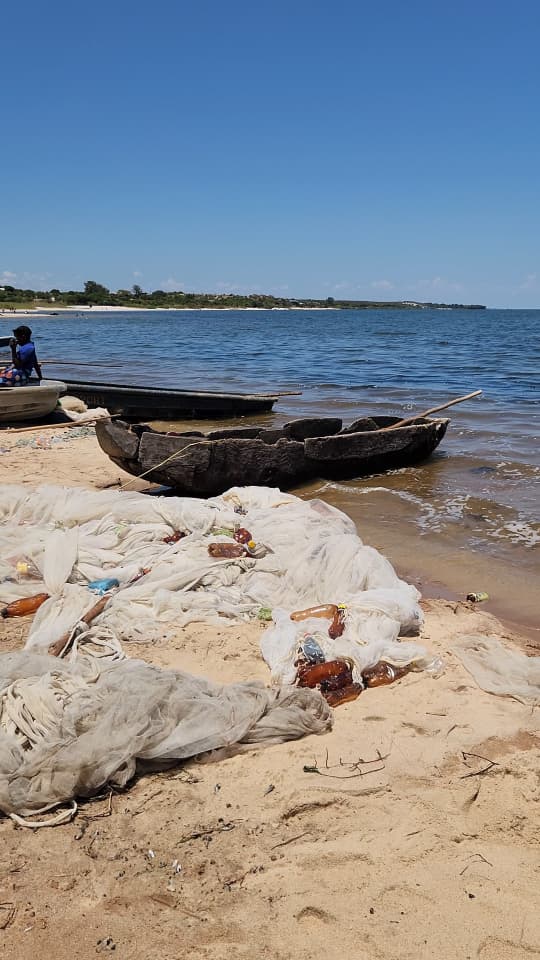
Many of the fish brought ashore are barely the length of a hand—immature and far from breeding age. Scattered along the sandy bank are mosquito nets, long ropes tied to empty bottles, and improvised sticks and poles. These are not remnants of ordinary fishing tools but evidence of a growing shift toward destructive and illegal methods that threaten one of Zambia’s most important wetlands.
For generations, Lake Bangweulu has fed thousands of families across Luapula, Muchinga and Northern provinces. Today, it sits at the edge of ecological collapse.
Along the shore, all sorts of fishing gear lie scattered, but the sight of mosquito nets, long ropes tied to empty bottles, and long sticks leaves the reporter wondering what they are used for, and what they mean for the future of fishing here.
In this investigation, Makanday, examines how traditional fishing methods have persisted in Bangweulu and how some of them now threaten the lake’s fragile fish stocks.
A lake under pressure
Some fishermen openly speak about what is happening on the water. Others avoid interviews altogether, the silence itself suggesting awareness that the methods they use are illegal or harmful.
Scotcha Nkandu, a fisherman of three years, says he has witnessed a steady decline in fish stocks.
“We buy the recommended nets,” he says. “They’re designed so they don’t catch everything because the mesh is big. Our friends who use mosquito nets… those are the best people to talk to about that.”
Mosquito nets, which have an extremely fine mesh, scoop up everything in their path, immature fish, breeding females, and eggs.
Another fisherman, who requested anonymity, says new techniques have emerged that actively destroy breeding grounds.
“Some of these methods disturb the eggs or bury them,” he explains. “They stop fish from multiplying. There are many such methods now—and they are very bad.”
Attempts to speak to fishermen whose boats carried mosquito nets were unsuccessful. All declined interviews, saying they were “not comfortable being recorded’’.
Inside the “umukwau” method
Further along the lake, MakanDay encounters a group of young men using the traditional but increasingly destructive method known locally as umukwau. Initially reluctant, they agree to answer a few questions while sternly warning – “don’t capture us.”
A long rope tied with plastic bottles stretches deep into the water. Three men pull it steadily for nearly two hours. The bottles create a loud rattling beneath the surface, frightening fish into a waiting net.
As the men shift positions, a second team paddles along the line to inspect the catch. What unfolds is an intense and coordinated operation, one that sweeps through breeding grounds with little discrimination.
Techniques like umukwau, alongside the use of mosquito nets and small-mesh gear, are among the practices conservationists warn could accelerate the collapse of the Bangweulu fishery.
Warnings from conservation records
The scenes on Lake Bangweulu echo long-standing warnings raised in official reports.
The 2021 Parliamentary Committee on Agriculture, Lands and Natural Resources reported that Zambia’s capture fisheries have remained under severe strain due to overfishing and destructive methods. Despite rising demand, production has stagnated for years.
The Committee also noted weak enforcement of regulations, especially during the fishing ban, as a major factor in the depletion of indigenous fish species. Lake Bangweulu, it observed, has been gradually drying over the decades, compounding the pressure on its fisheries.
The report attributed the weak enforcement to insufficient staffing and limited equipment, and recommended strengthening regulation by deploying more personnel and providing the necessary resources to support effective monitoring.
African Parks, which manages the Bangweulu Wetlands with the Zambian government and local communities, has repeatedly raised alarm about the scale of illegal and harmful fishing practices. In its annual report, the organisation observed that non-compliance during breeding periods and the continued use of banned gear remain among the gravest threats to the ecosystem.
According to African Parks, areas where fishing bans have been effectively enforced show rapid improvement in fish availability, evidence that the decline is reversible if rules are followed.
Government response still pending
MakanDay sought comment from the Ministry of Fisheries and Livestock on what measures are being taken to regulate both traditional and illegal fishing practices. The Ministry has not yet responded.
A ninety-day fishing ban, which came into effect on 1 December, is currently in force. During this period, fishing in major water bodies—including Lake Bangweulu—is prohibited to allow fish species to breed and replenish.
But fishers and conservation groups warn that the ban’s success depends on two critical factors, including strict enforcement across the lake, and support for alternative livelihoods for communities who rely almost entirely on fishing for survival.
Without these measures, they say, destructive practices may continue unchecked.
Additional reporting by Frank Mwansa and Robby Mofya from Radio Yangeni in Mansa.

Discover more from MAKANDAY
Subscribe to get the latest posts sent to your email.