

Mining Should Not Come at the Expense of Human Rights
By Juliane Kippenberg
Mining pollution has been a fact of life for 15-year-old “Joyce” as long as she can remember. Joyce, whose real name is different, lives in the Zambian city of Kabwe, where mining for lead and zinc began during the British colonial period and continued for decades. Extracting minerals from the mine’s lead waste continues. As a result, Kabwe is now one of the most lead-polluted places globally: up to 200,000 people—particularly children—are exposed to lead, and many suffer from lead poisoning.
Today, June 5, is World Environment Day. The Zambian government commemorates this day with radio and TV shows, public events, and activities. One poster calls on citizens: “Be part of the solution, not the pollution.” But this rhetoric has not translated into tough action on the companies that pollute.
In Kabwe, South African, Chinese and local businesses have been extracting and processing zinc and other minerals from the former mine’s toxic lead waste, risking the health of residents. The government has issued mining and processing licences for these companies, some of which are led by ruling party officials or have otherwise been linked to the ruling party.

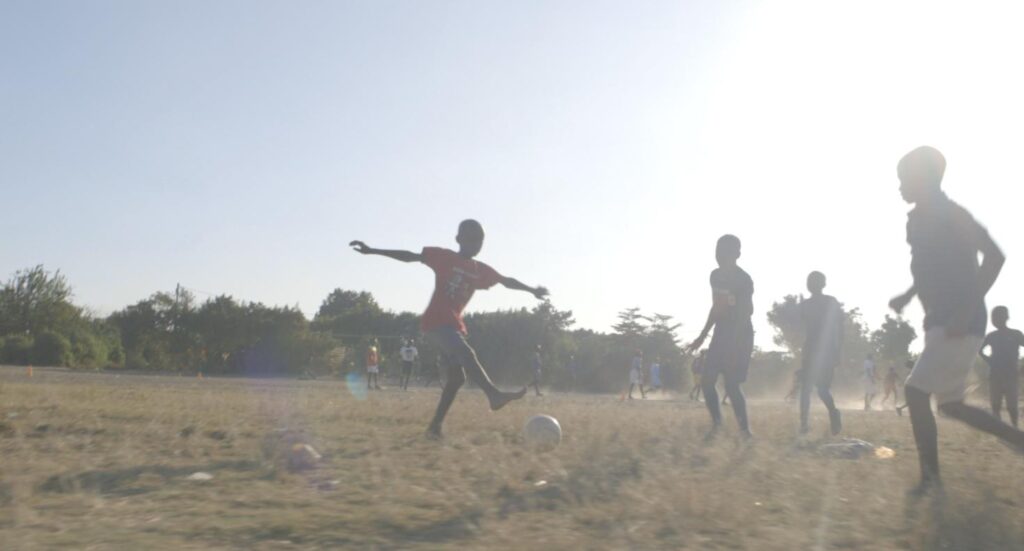
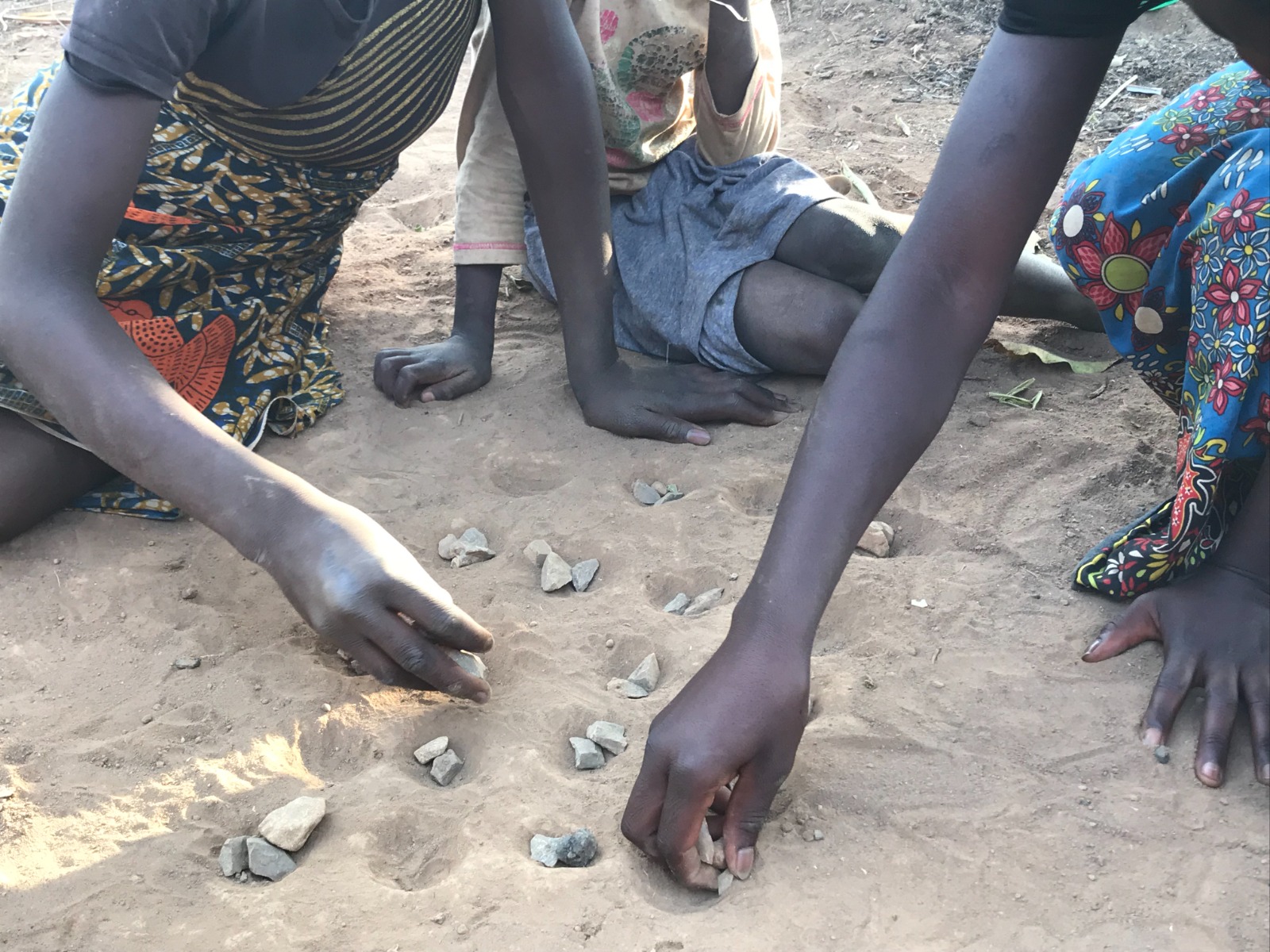
In Kabwe, ordinary childhood experiences carry extraordinary risks. © 2023 Centripetal Media for Human Rights Watch.
In the Kanona area of Serenje district, workers at a manganese plant have suffered severe and chronic health problems from manganese exposure. The foreign-owned company has reportedly offered housing to some affected workers. However, despite campaigns by activists and a 2025 parliamentary visit, concerns about pollution and worker protection remain unresolved.
In the Copperbelt, the 2025 dam breach at a Chinese-owned copper mine, Sino Metals, caused the release of toxic waste into the Kafue River, putting residents at grave risk of cancer and threatening the livelihood of millions. The government has downplayed the risks and allowed Sino Metals to resume operations. The company has apologised.
These environmental disasters are taking place in the context of a global rush on “critical minerals”—minerals like copper, manganese, and zinc — needed for the energy transition, digitalization, defense, and other purposes. China, the United States, and other industrialized countries have been ramping up efforts to access minerals in Zambia and other mining countries. But the global rush for minerals should not turn into a race to the bottom at the expense of people’s health and the environment.
Residents in mining areas are no longer standing by while companies pollute their land, water, and air. Last September, a group of Zambians filed a lawsuit against Sino Metals, demanding compensation. And in April, Kabwe residents filed a complaint with the African Committee of Experts on the Rights and Welfare of the Child, the African Union child rights body, alleging that the Zambian government had failed to protect them from the harm of lead mine waste. The complaint reflects the aspirations of many affected children. Their demand is simple: a healthy environment, accountability, and a future free from toxic pollution.
Joyce from Kabwe is among those supporting the African Union complaint. Speaking at the launch event, she called for an environmental clean-up of Kabwe and declared, “Children in Kabwe also have dreams. … we want to have a bright future.’”
Juliane Kippenberg is children’s rights associate director at Human Rights Watch.
Photo Credit | Copyright @2018 Zama NeffHuman Rights Watch


Discover more from MAKANDAY
Subscribe to get the latest posts sent to your email.


