

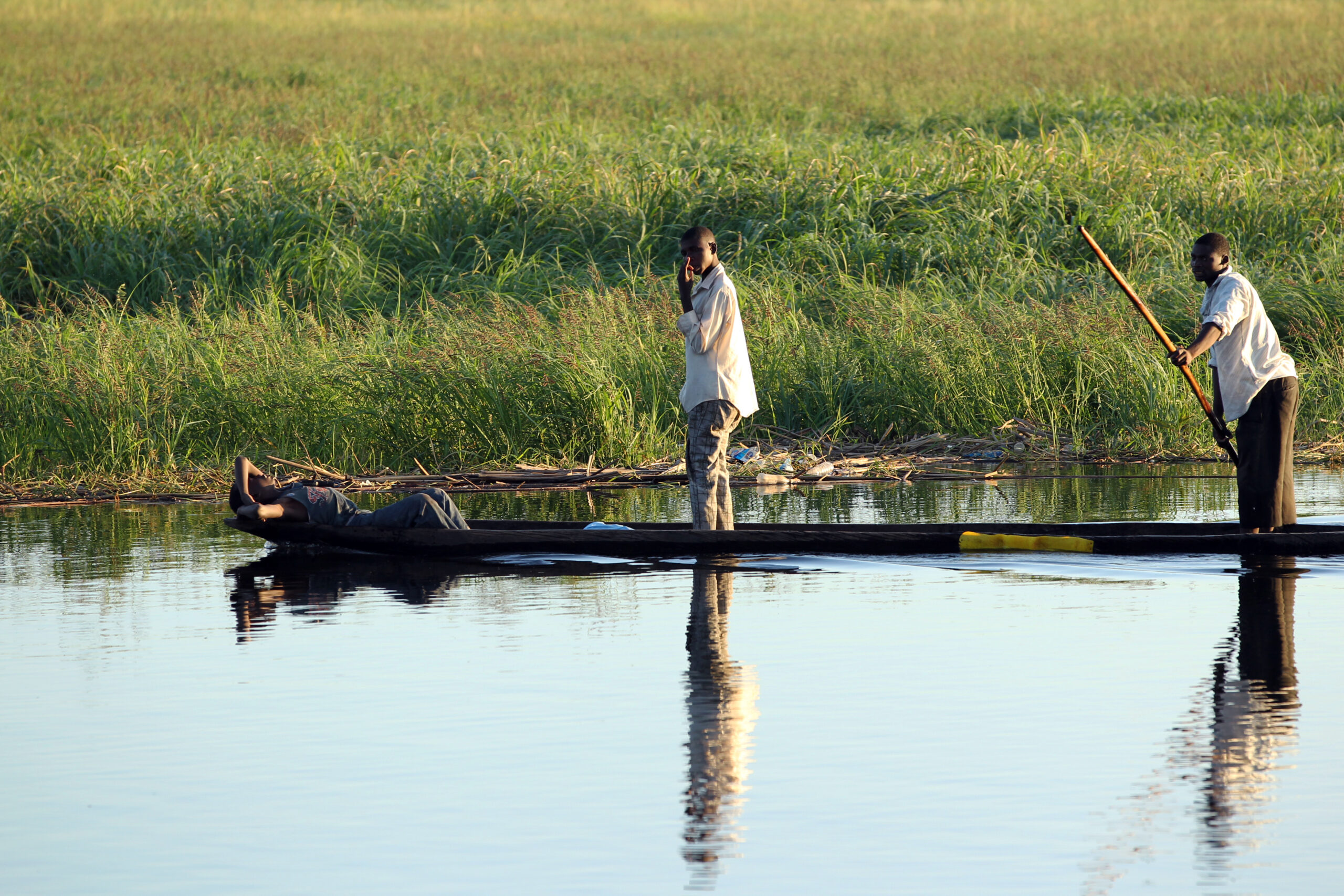
Why deadly attacks continue along the Copperbelt’s rivers—and why authorities still don’t know exactly where the danger is greatest
By Mercy Mulenga | Kitwe
The Copperbelt’s rivers have long powered Zambia’s mining industry, sustained farming communities and shaped the province’s economic identity.
Increasingly, however, they are becoming the scene of a different kind of tragedy.
From Chingola to Kitwe, crocodile attacks are claiming lives and leaving children permanently injured in communities better known for copper mining than human-wildlife conflict.
Yet MakanDay has found that despite the growing number of attacks, Zambia’s wildlife authorities do not systematically record the precise locations where crocodile incidents occur using Global Positioning System (GPS) coordinates—a gap that wildlife experts say makes it more difficult to identify hotspots, target patrols and deploy preventive measures before lives are lost.
Official figures from the Department of National Parks and Wildlife (DNPW) show that the Copperbelt Province recorded 18 crocodile attacks in 2024, rising to 21 in 2025. Most victims were swimming, fishing, farming or carrying out other routine activities along rivers and streams, with children accounting for many of those injured or killed.
The latest victim was seven-year-old Gloria Mwimanzi who was killed by a crocodile on 6 May 2026 while fishing with other children near Chabanyama Stream in Chingola District.
Her death has renewed questions that extend beyond a single tragedy. Why are crocodile attacks becoming more common in a province not traditionally regarded as one of Zambia’s major wildlife conflict hotspots? And if authorities know attacks continue to occur, how are they deciding where prevention efforts should be focused? Those are the questions MakanDay set out to answer.
The Chingola tragedy
On the morning of 6 May, seven children from the same community walked to Chabanyama, a nearby stream to fish.
According to the girl’s grandfather Benson Mafuta, two of the children were his grandchildren while the others were neighbours. None expected the outing to end in tragedy. The oldest survivor, aged between 12 and 14, recalled that the younger girl entered the water while the others were fishing. Moments later, a crocodile struck.
“It hit her with its tail before dragging her into the stream,” she said.
One of the survivors said several hours passed before police arrived at the scene, by which time the search had been suspended until the following day. The girl’s body was recovered several days later in a decomposed state and buried the same day. For her family, they say they never knew a crocodile inhabited the stream.
Nearby farmers, however, told MakanDay they had encountered the reptile on several occasions while working in their fields and considered it large enough to attack even a fully grown adult. Despite their knowledge of its presence, they said there were no warning signs or public notices alerting residents to the danger.
A Province better know for Copper than crocodiles
For many Zambians, crocodile attacks are more readily associated with the Luangwa Valley, the Zambezi River or Lake Kariba than with the Copperbelt.
Yet official data suggests the province has become an increasingly important hotspot for human-crocodile conflict.
Figures obtained from the Department of National Parks and Wildlife (DNPW) show that 18 crocodile attacks were recorded on the Copperbelt in 2024, rising to 21 in 2025. The incidents involved people swimming, fishing, farming, collecting water and carrying out other routine activities along rivers and streams. Children accounted for many of the victims.
The figures, wildlife officials say, almost certainly underestimate the scale of the problem because not every incident is reported to the department.
Hospital records paint a similarly worrying picture.
Kitwe Teaching Hospital, the province’s main referral hospital, continues to receive victims of crocodile attacks from communities along the Kafue River and its tributaries.
Hospital Public Relations Officer Hellen Chitima said the hospital treated four crocodile attack victims in 2025.
Two boys were attacked while swimming, leaving one with injuries so severe that doctors amputated his right arm. Another patient was attacked while fishing, while a fourth sustained injuries while washing clothes in the river. The hospital has already recorded another crocodile attack this year.
The victims treated so far have ranged in age from nine to fifteen years, reinforcing concerns that children remain among those most at risk because they frequently use rivers for recreation, fishing and domestic chores.
The danger is not confined to Chingola and Kitwe. Last year, a 12-year-old boy from Mufulira sustained serious injuries after being attacked by a crocodile while near a stream, adding to a growing list of incidents reported across the province.
Although the Copperbelt’s rivers continue to sustain farming, fishing and mining activities, they are also becoming places where everyday tasks carry an increasing risk.
Why are attacks becoming more frequent on the Copperbelt? Wildlife officials and environmental experts point to a combination of changing environmental conditions and increasing human activity along rivers.
Environmentalist Dr Mweene Himwinga said one important factor is the heavy rains experienced last year which swelled waterways across Zambia, bringing crocodiles into shallow waters and increasing contact with communities.
“Elevated water levels bring species like crocodiles nearer to dry land,” she said. “Encroachment into protected areas also disturbs natural habitats.”
DNPW officials also attribute the increase to habitat disturbance caused by mining, agricultural expansion and settlement along waterways, which has brought more people into contact with crocodile habitat.
For families living along the Kafue River, Chabanyama Stream, Mwambashi Stream and other waterways, fetching water, washing clothes or casting a fishing line has become an activity that can end in tragedy.
This article was produced by MakanDay’s Local Reporting Network. Subscribe through our website and follow our Facebook page to receive stories like this one as soon as they are published.


Discover more from MAKANDAY
Subscribe to get the latest posts sent to your email.


