


If anyone still had doubts that Zambia’s political class is among the country’s biggest challenges, those doubts should be disappearing as we head toward the August elections.
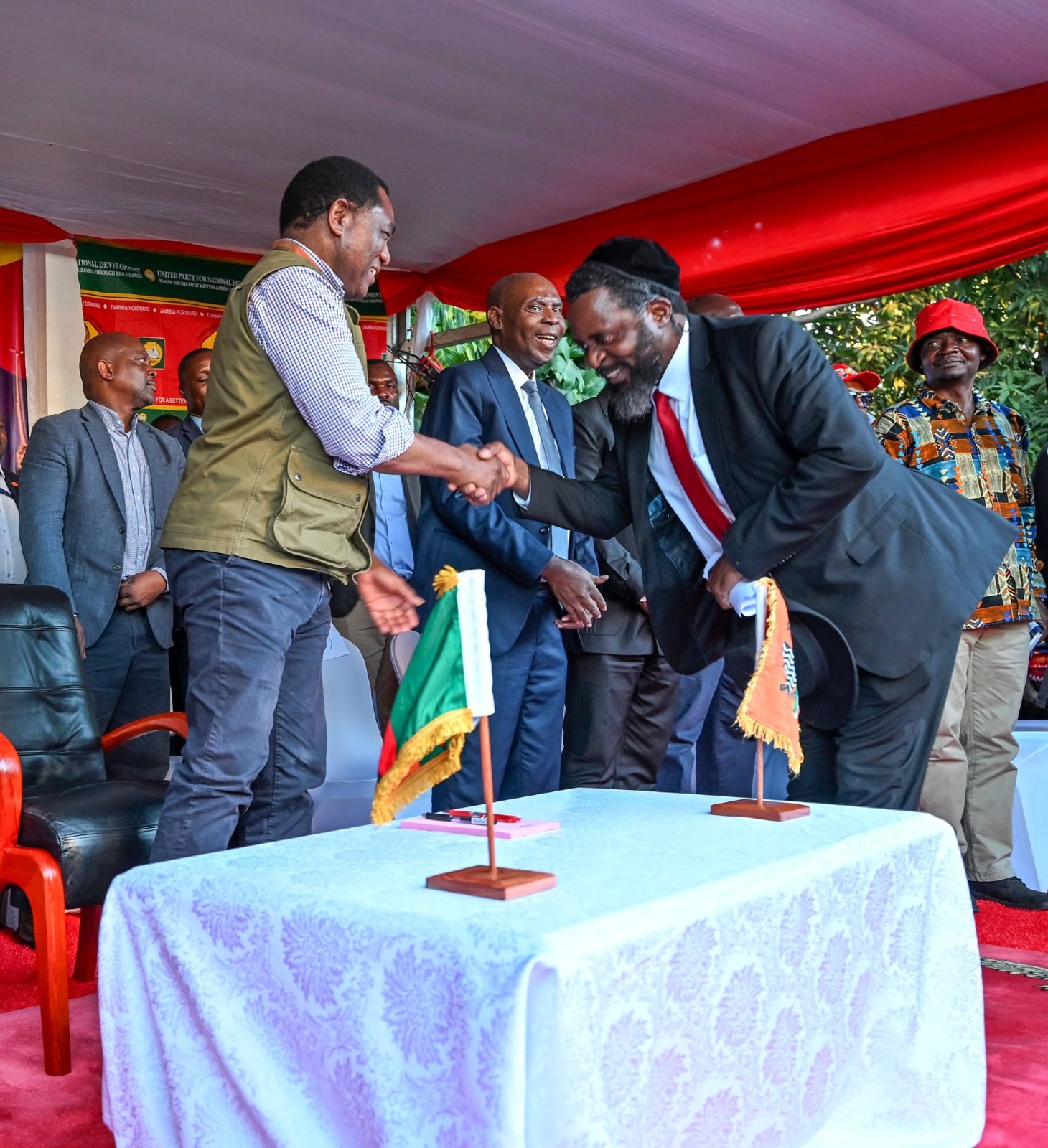
Who would have imagined that some politicians from the former ruling Patriotic Front would one day find themselves sharing platforms with President Hakainde Hichilema and the ruling United Party for National Development? Only a few years ago, these were politicians who publicly criticised each other and presented themselves as political opposites.
While some may interpret these developments as evidence of political maturity or national unity, the reality appears far less noble. In many cases, what we are witnessing is not love for country but love for self. The calculations are often centred on access to power, positions in government, influence, and the benefits that come with proximity to those who control the national purse.
The same can be said of many politicians in the opposition who appear to be patiently circling around government, waiting for an opportunity to cross over when the political winds become favourable. What brings many of these individuals together is not a shared vision for Zambia’s future, but a shared desire for political survival and personal advancement.
This is perhaps the greatest dilemma facing voters as election day approaches.
The problem is compounded by the growing number of political parties and presidential aspirants. Zambia’s August election features one of the most crowded presidential races (14) in recent history. On the surface, this may appear to be a sign of a healthy democracy. However, more candidates do not necessarily mean more ideas.
Many parties are difficult to distinguish because they are built around personalities rather than clear ideological differences or policy alternatives.
Instead of presenting coherent programmes for economic growth, job creation, education, healthcare and governance reforms, many politicians spend their time negotiating alliances, switching political camps, or positioning themselves for appointments after elections.
What Zambians expected from this campaign season was a serious discussion about the country’s future. Citizens wanted to hear how political leaders intend to address the rising cost of living, youth unemployment, poverty, public debt, and the challenges facing key sectors such as agriculture, mining and education.
Instead, much of the political conversation has been dominated by defections, endorsements and alliances of convenience. The focus has shifted away from policies and towards personalities.
The tragedy is that this pattern is not new. Election after election, politicians move from one party to another with remarkable ease. Leaders who yesterday described each other as corrupt, incompetent or dangerous suddenly become trusted allies. Principles that were once presented as non-negotiable are quietly abandoned when political interests demand it.
Such behaviour inevitably breeds cynicism among voters. When politicians can change positions overnight without adequately explaining what has changed, citizens are left wondering whether any campaign promises are genuinely held beliefs or merely tools for winning power.
A healthy democracy depends on elections being contests of ideas and competing visions for national development. Yet too often, our politics revolves around personalities, patronage and access to state resources.
As voters prepare to cast their ballots in August, they should look beyond the rallies, endorsements and political migrations that dominate the headlines. The critical question is not who is standing next to whom on the campaign platform. The real question is what concrete solutions are being offered to address the challenges facing ordinary citizens.
Elections should not be about helping politicians secure their next share of the national cake. They should be about choosing leaders who are prepared to serve the public interest. Until that principle becomes the centre of our politics, Zambia will continue to struggle with a political culture that too often places self-interest above national interest.
Photo Credit | Hakainde Hichilema’s Facebook Page

Discover more from MAKANDAY
Subscribe to get the latest posts sent to your email.