

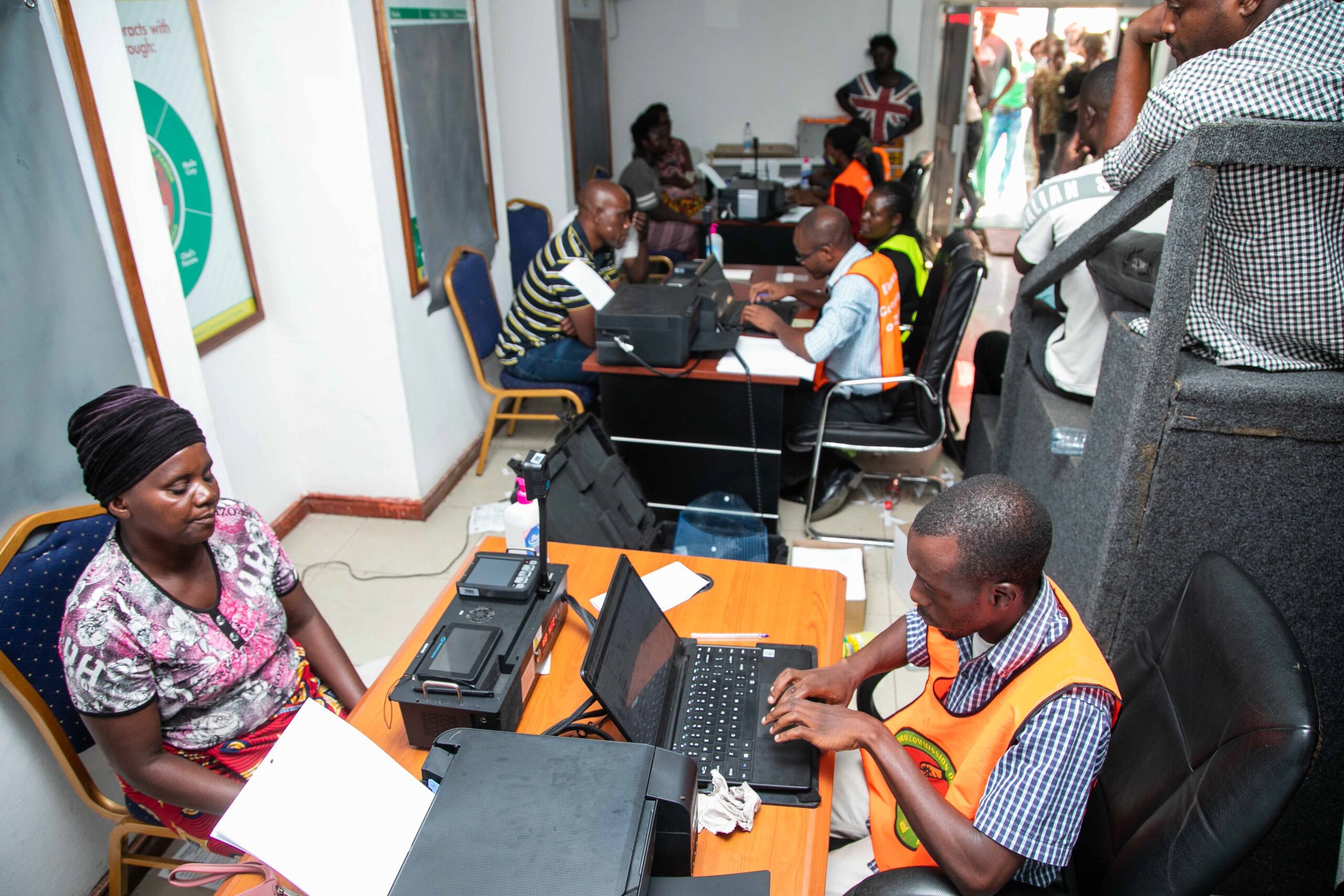
As Zambia heads towards the 13 August general elections, the country has once again entered the familiar season of campaign promises, political slogans, dancing crowds, and endless declarations from politicians claiming they alone can rescue citizens from poverty and hardship.
Every election cycle sounds almost identical. Candidates move from market to market, church to church, and compound to compound promising jobs, development, lower prices, youth empowerment, and a better future. Many present themselves as defenders of ordinary people, insisting they understand the suffering citizens face daily.
But elections are not won by promises alone. They are also a test of memory, judgment, and character.
Recent events have once again exposed the deeper realities of Zambia’s politics.
One aspiring candidate appeared at the nomination centre as an independent after failing to secure adoption by his party the previous day, only to leave with a torn shirt after reportedly being attacked by youths linked to the same political organisation. The incident served as yet another reminder of the violence and intolerance that continue to cast a shadow over Zambia’s democracy.
Elsewhere, another politician returned to seek office in Roan Constituency after previously losing the seat when he left to join another political party as a presidential consultant. Today, he says he wants another opportunity to serve.
When many politicians speak, they all claim they want to lead because they have solutions to Zambia’s problems. But citizens must ask tougher questions: Do these individuals genuinely want to serve the people, or are many simply attracted by the privileges that come with power — allowances, influence, business opportunities, security escorts, and the “Honourable” title?
Too often, politics in Zambia has become less about public service and more about personal survival, influence, and accumulation of wealth.
Some politicians attempt to reinvent themselves every election cycle, hoping voters will forget their previous conduct, statements, or records in office. Yet leadership is not measured by campaign songs, motorcades, branded materials, or emotional speeches at rallies. Leadership is measured by integrity, humility, accountability, and how one behaves when entrusted with public office.
That is why voters must never stop examining the track records of those seeking power.
One of the lessons Zambia can draw comes from past investigations into political leadership and public accountability. In 2014, concerns emerged in Luanshya over the growing perception of political entitlement and rapid wealth accumulation surrounding then Roan Member of Parliament Chishimba Kambwili (See story in the MakanDay Weekly, Issue Number 0039)
Residents described him as the “boastful billionaire” of Roan Constituency, raising questions about luxury properties, expanding business interests, and alleged abuse of influence while serving in public office.
Whether every allegation was true or not is not the only point. The larger lesson is that democracy becomes dangerous when citizens worship politicians instead of scrutinising them.
Across Africa, many voters ignore warning signs until it is too late. Some leaders present themselves as champions of the poor while quietly enriching themselves. Others use tribal loyalties, political militancy, emotional rhetoric, or intimidation to avoid accountability. Some appear humble during campaigns but become untouchable once elected.
Zambians must remember that elections are not football matches where citizens blindly defend political teams. Elections determine who controls national resources, who makes laws, who influences public institutions, and who shapes the country’s future for years to come.
A vote is not simply a mark on paper. It is a transfer of power.
This election season, voters must ask difficult but necessary questions before handing over that power. They must examine each candidate’s record and ask how that person behaved when previously entrusted with leadership.
Citizens should question whether aspiring leaders are transparent about their wealth, businesses, and conduct, or whether unresolved concerns continue to follow them. Voters must also pay attention to whether politicians unite people through ideas and respect, or whether they thrive on violence, intimidation, insults, and division.
Most importantly, Zambians must determine whether those seeking office are genuinely motivated by public service and national interest, or whether they are driven primarily by personal ambition and the privileges associated with political office.
Leaders who disregard institutions, accountability, and the rule of law during campaigns are unlikely to suddenly embrace them once elected.
As campaigns intensify, citizens must resist manipulation, empty promises, and political excitement. They must remember that behind every slogan is a human being with a history, a character, and a track record.
And sometimes, the greatest mistake voters make is not that they were never warned — but that they chose not to pay attention.
For journalists, the greatest mistake is to treat elections as isolated events rather than part of a long political pattern that unfolds over many years.
Our continued coverage of Charles Chanda — the United Prosperous and Peaceful Zambia (UPPZ) leader and presidential aspirant whose business dealings, including questionable land transactions, had previously raised public concern — is a reminder of why journalism must go beyond campaign rhetoric and remain focused on accountability, public records, and unresolved questions surrounding those seeking public office.
MakanDay’s sustained investigations into Chanda’s bankruptcy status and legal eligibility ultimately contributed to heightened public and institutional scrutiny that led to his disqualification from the presidential race.
Photo Credit | ECZ
Discover more from MAKANDAY
Subscribe to get the latest posts sent to your email.


