


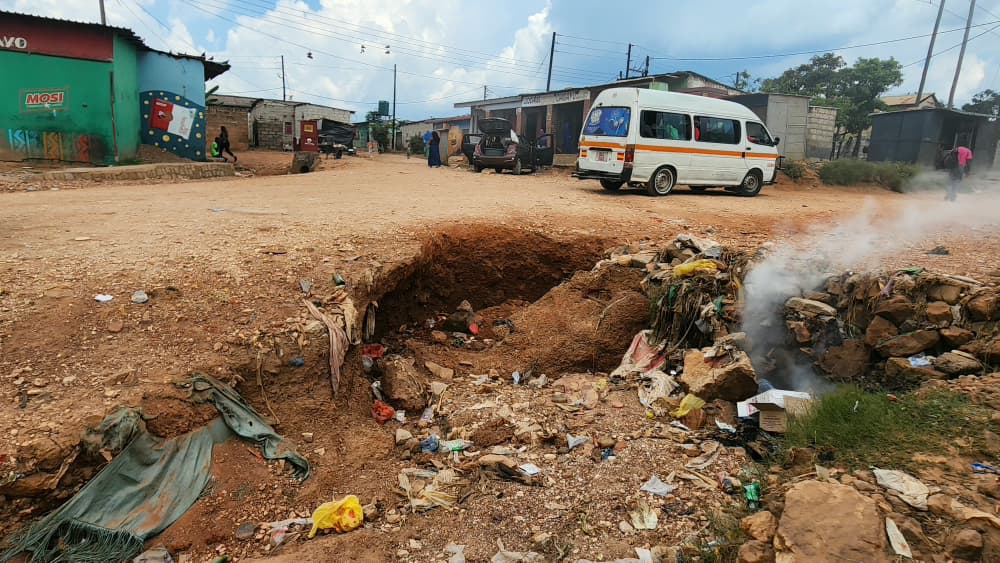
The question emerging from Kalikiliki Ward is both simple and troubling: where did the money go?
In our recent investigation, we found that roads reportedly rehabilitated using public funds remain riddled with potholes, muddy pools and signs of neglect. Yet official records indicate that about K500,000 in ward development funds should have been allocated to support community projects in the area.
The residents complained that they can’t see the results of public spending, and even the very committees meant to oversee the work say they were left out of the process. This shows that the problem goes far beyond damaged roads.
It is a crisis of accountability.
Ward Development Committees (WDCs) were established under the Local Government Act No. 2 of 2019 precisely to prevent this kind of situation. Their purpose is to ensure communities participate in identifying development priorities and monitoring projects at ward level. They are meant to be the eyes and ears of the community, strengthening transparency in how local funds are used.
But the situation described in Kalikiliki suggests that this oversight structure is not functioning as intended. Committee members say they were not even informed about which projects were approved, how much money was allocated, or which contractors were engaged. Without access to such basic information, the committees cannot perform their legal role of monitoring development projects.
This raises a deeper governance concern.
The ward development fund is designed to support small but important community improvements, repairing roads, clearing drainage, and addressing local infrastructure needs that directly affect daily life. If those funds are spent without clear documentation, without community oversight, and without visible results, the risk of mismanagement or waste becomes unavoidable.
Even if no wrongdoing has occurred, the absence of transparency alone is damaging.
Public funds must never operate in the shadows. When communities are excluded from information about projects implemented in their own neighbourhoods, the system begins to lose legitimacy. Residents start to suspect that development decisions are being made without them, or worse, that funds are being diverted away from the very purposes they were meant to serve.
Equally worrying are the institutional gaps revealed by this case. The council appears to control the disbursement of funds and contractor payments, yet the WDC, which should monitor these projects, says it receives little or no information about them. That disconnect undermines the entire accountability chain.
At the same time, internal disputes within the ward leadership risk further weakening oversight. Divisions among local leaders may explain some of the communication breakdowns, but they cannot justify the absence of clear financial information about public funds.
Ultimately, the people who suffer most are the residents.
For traders navigating muddy roads and motorists dodging potholes after every rainfall, development funds are not abstract budget lines. They represent promises, promises of safer roads, better drainage and improved living conditions.
When those promises fail to materialise, public confidence in local governance erodes.
The Lusaka City Council must therefore provide clear answers about how the Kalikiliki ward development funds were allocated, which projects were approved, who the contractors were, and whether the works were certified as completed. Transparency is not optional when public money is involved.
More importantly, this moment should prompt a broader review of how ward development funds are administered across Lusaka. If WDCs are to fulfil the role intended in the law, they must have access to project information, financial records and monitoring authority.
Otherwise, the very structures created to ensure community participation risk becoming symbolic rather than functional, as we have just established.

Discover more from MAKANDAY
Subscribe to get the latest posts sent to your email.