


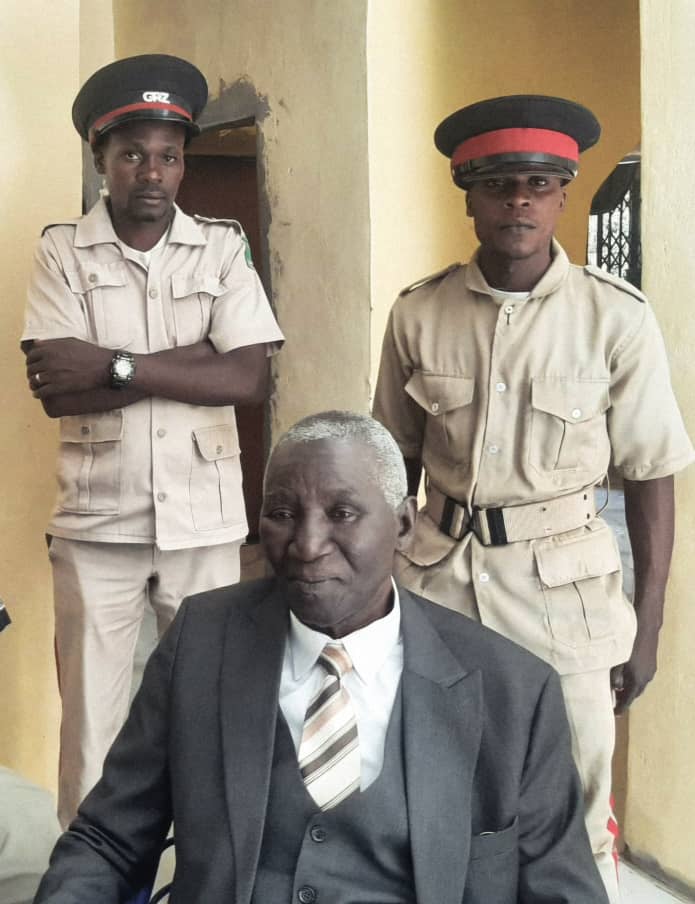
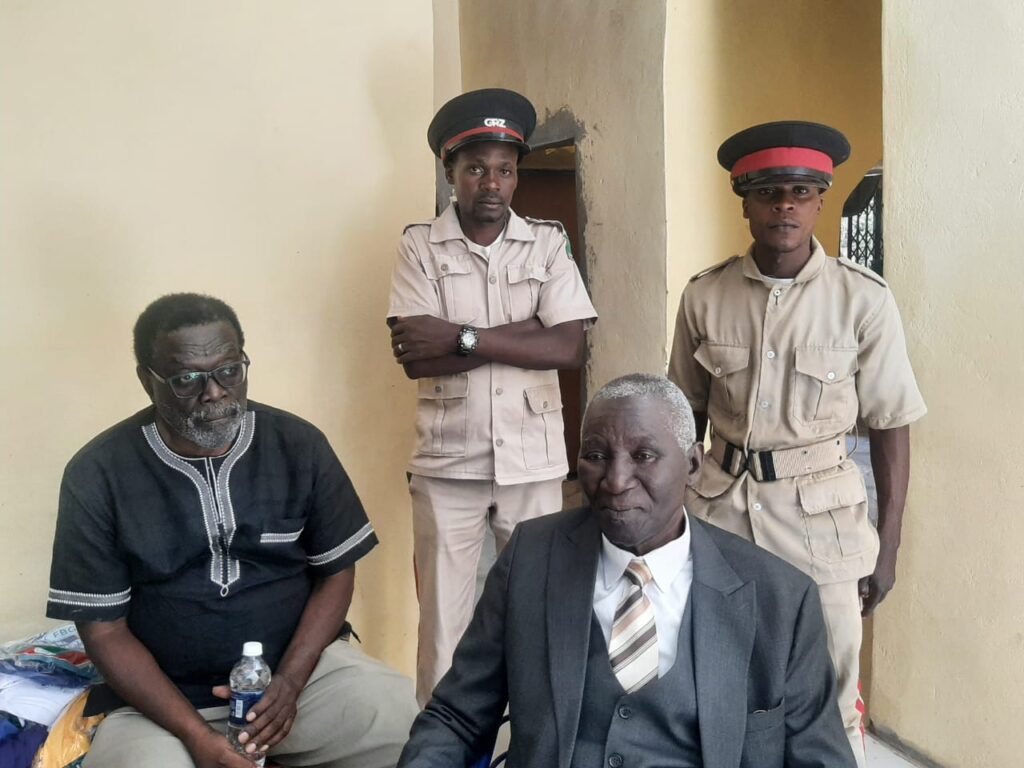
A chief who has finally been installed after a 24-year succession battle, yet whose struggle exposes unresolved tensions between customary authority, the courts and the state in Zambia’s traditional governance system.
By Linda Soko in Lufwanyama
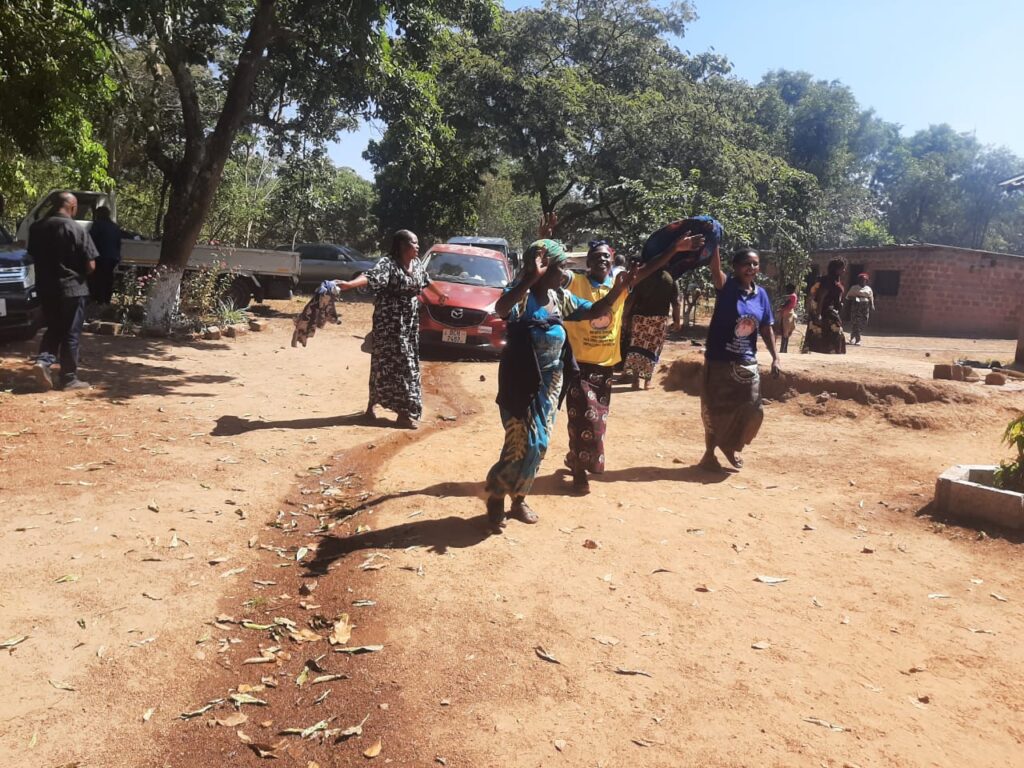
As women laid colourful chitenge cloth before his feet and drums echoed across Nkana Chiefdom in Lufwanyama District on May 22, Paul Lubunga walked towards a throne he had spent more than two decades fighting to claim.
To the thousands who travelled to Chief Nkana’s palace in Chembe, about 13 kilometres from Kalulushi town, the ceremony represented far more than the installation of a traditional leader. For many, it marked the culmination of a 24-year succession dispute that had divided the chiefdom and generated years of litigation.
Yet even as supporters celebrated what they described as the restoration of legitimate leadership, the dispute remained far from settled. A rival claimant, Godfrey Shamanena, continues to insist he is the rightful Chief Nkana, while Lubunga remains engaged in separate court proceedings concerning his formal recognition by the state.
The result is an unusual situation: a chief installed through customary processes, supported by sections of the royal establishment and accepted by many of his subjects, yet still awaiting a court decision that could determine whether the government formally recognises his status and the privileges attached to the office.
A throne contested for more than two decades
The succession dispute traces its origins to 1999 following the death of Senior Chief Nkana, Joseph Mutupa. What began as a disagreement over succession gradually evolved into one of Zambia’s longest-running traditional leadership disputes, with rival camps advancing competing interpretations of lineage, legitimacy and customary succession procedures.
Tensions intensified in 2002 when Godfrey Shamanena declared himself Chief Nkana, seeking to fill the vacancy left by Mutupa’s death. The move triggered a fresh round of legal challenges. Backed by many members of the royal family, Lubunga contested Shamanena’s claim and embarked on a protracted court battle, arguing that the throne rightfully belonged to his lineage under customary law.
At the heart of the dispute are competing claims over succession, with rival camps advancing different interpretations of which royal lineage is entitled to provide the next chief. Over the years, the matter has moved repeatedly between traditional structures and the courts, deepening divisions within the chiefdom.
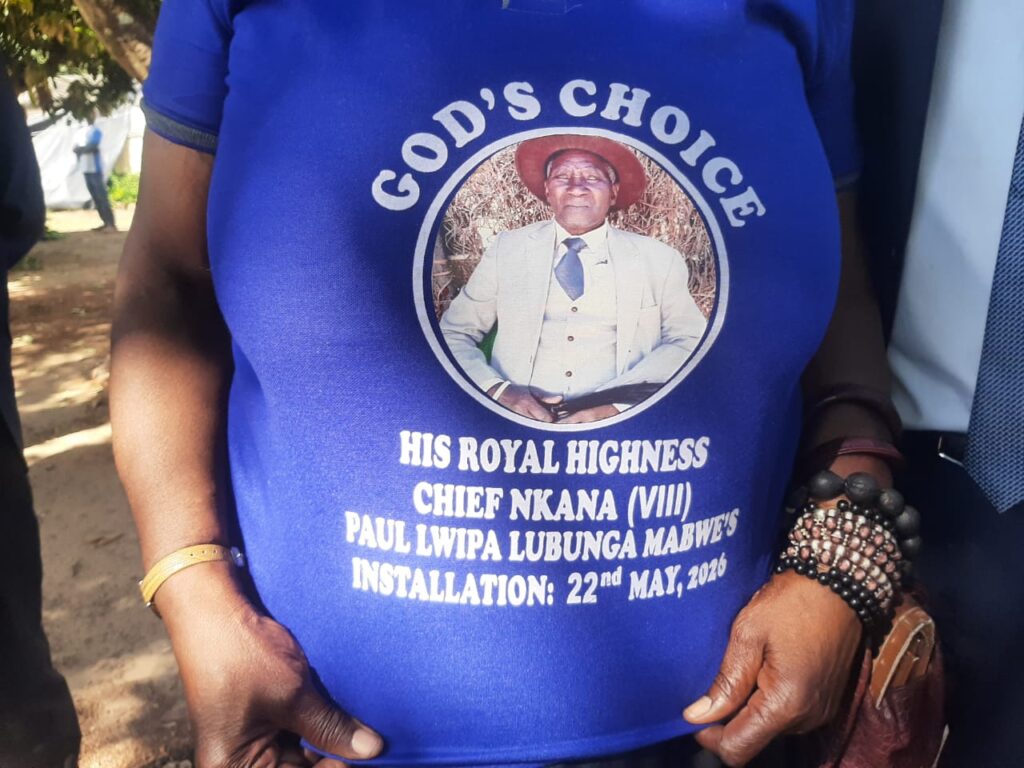
A series of court decisions gradually strengthened Lubunga’s position. A ruling delivered on January 13, 2023, cleared the way for his installation on April 19, 2024, when Senior Chieftainess Mushili installed him as Chief Nkana VIII in a ceremony that many supporters viewed as bringing the long-running succession dispute closer to resolution.
A day of celebration
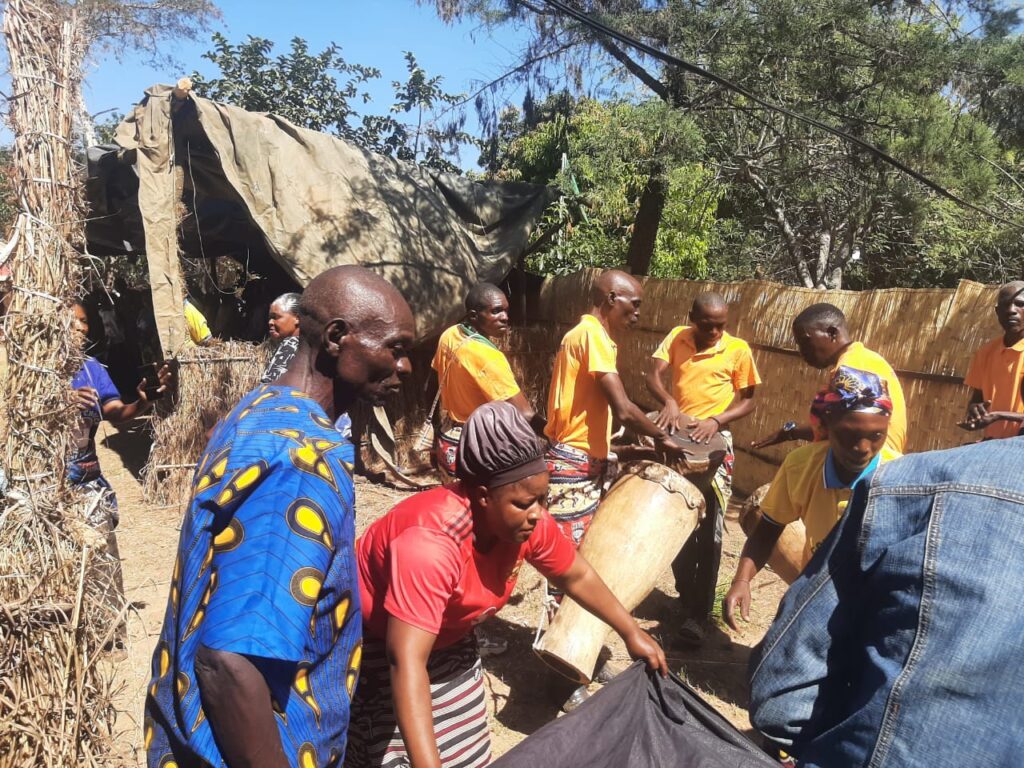
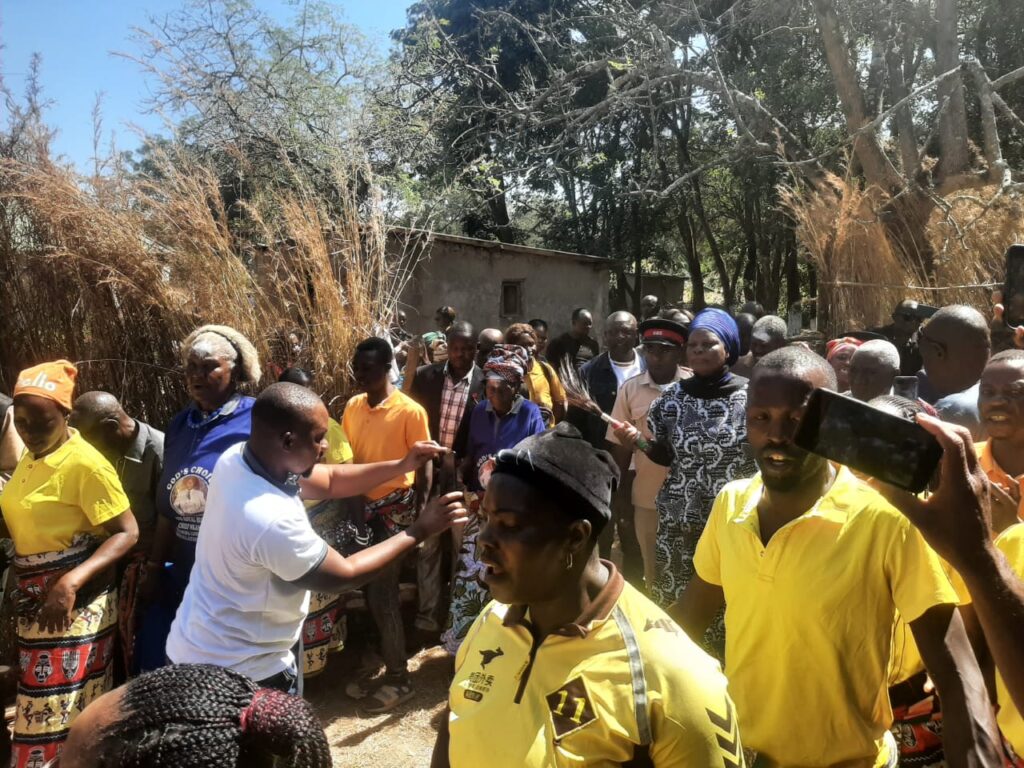
From the early hours of the morning, residents from across the chiefdom gathered to witness the ceremony. Traditional songs filled the air as cultural dance groups performed before crowds dressed in colourful attire.
The arrival of Chief Nkana VIII alongside Senior Chieftainess Mushili Joyce Katampi of the Lamba people of Masaiti District was greeted with ululations, singing and applause.
Supporters laid chitenge cloth on the ground as a symbolic gesture of honour while members of the royal family, traditional leaders and community members participated in the celebrations.
For many residents, the ceremony symbolised hope that years of uncertainty and division within the chiefdom could finally be put behind them.
Rival claimant rejects installation
Not everyone agrees. Shamanena, who says to have served as Chief Nkana for 24 years, maintains that he remains the legitimate traditional leader. Speaking to MakanDay, he dismissed Lubunga’s installation and described him as an illegitimate claimant.
“He is not the chief, and all the ceremonies he is conducting are fraudulent,” Shamanena said.
He further alleged that the installation ceremony never took place because police officers dispersed the gathering before proceedings could begin. However, MakanDay attended the ceremony and observed it proceeding without disruption.
Shamanena also maintained that he possesses documents recognising him as Chief Nkana and argued that the government does not recognise Lubunga’s claim. According to him, further court proceedings relating to the dispute are expected to continue.
Traditional authority defends the process
Senior Chieftainess Mushili strongly defended Lubunga’s installation, insisting that the succession process followed established Lamba customary procedures. According to her, responsibility for identifying and selecting traditional leaders rests with the Ngalamwe Council of Elders, which is mandated to determine succession matters within the royal establishment.
“The Ngalamwe Council identifies a suitable person to govern the chiefdom and hands over the mandate. The subjects themselves are the only ones with the power to reject a chosen leader if they believe that person is incapable of leading them,” she said.
She argued that succession to the throne is hereditary and should not be influenced by politics or external interests.
The Chieftainess further said previous court decisions had not supported Shamanena’s claim to the throne and maintained that traditional structures had consistently identified Lubunga as the successor.
The custodians of tradition
Patrick Litana of the Goat Clan,1 Abena Mbushi, described his group as custodians of the succession process. He explained that traditional structures function as referees in succession disputes, ensuring that chiefs are selected according to established customs and family lineage.
According to Litana, Queen Mothers within the Ngalamwe royal establishment play a central role in tracing eligible candidates through maternal family lines before recommending a successor.
“There is often competition among those aspiring to become chiefs, but the rightful chief is the one who has followed the traditional process,” he said.
Installed, but still seeking Government recognition
Despite his installation, questions surrounding Lubunga’s official recognition remain the subject of ongoing court proceedings.
According to court documents, Lubunga has petitioned the courts seeking declarations relating to his status and recognition as Chief Nkana, arguing that decisions made through traditional processes and subsequent legal proceedings should be given effect. The matter was heard in chambers on May 28, and judgment has been scheduled for August 6.
Until the matter is determined, Lubunga has not been formally recognised by the government as Chief Nkana. As a result, he does not currently enjoy certain benefits ordinarily associated with government-recognised chiefs, including access to a government salary, official residence and other privileges attached to the office.
The question of recognition also has implications for the administration of the chiefdom. Traditional leaders play an important role in land allocation, local dispute resolution, development initiatives and engagement with government institutions. Supporters of Lubunga argue that uncertainty over recognition has complicated efforts to provide clear leadership and representation for the chiefdom, while critics maintain that the dispute itself must first be conclusively resolved.
MakanDay sought comment from the Ministry of Local Government and Rural Development, which oversees traditional leadership in Zambia, but no response had been received by the time of publication.
A national problem
The Nkana dispute is not an isolated case. The growing tendency for succession disputes to end up in court is becoming a concern across Zambia. Although no comprehensive figures are available, numerous traditional leadership disputes are currently being litigated.
Chief Chamuka of the Lenje people in Chisamba warned that prolonged succession disputes can weaken community cohesion and create uncertainty over land and resource management. He argued that such disputes should primarily be resolved through traditional structures, with courts playing a limited supervisory role.
“If we allow such cases to be settled within the royal family, there is usually quicker resolution compared to taking them to court,” Chief Chamuka said. “Court processes often take a long time, and prolonged disputes disadvantage communities on the ground.”
As a long-term solution, Chief Chamuka proposed legislation that would grant greater authority to the House of Chiefs to adjudicate succession disputes before they reach the courts.
The future of the Nkana throne
At Chief Nkana’s palace, the celebrations have faded and daily life has resumed. After 24 years of dispute, Lubunga now sits on the Nkana throne following his installation by traditional authorities.
Yet the broader questions raised by the dispute—about succession, recognition and the role of the courts in traditional leadership—remain unresolved, ensuring that the story of the Nkana throne is not quite over.
- The Goat Clan, known as the Abena Mbushi, holds a significant traditional role as custodians of the Abena Mishishi chieftaincy. Whenever there is a vacancy on the throne, members of the Abena Mbushi clan are entrusted with safeguarding the chieftaincy, preserving its traditions, and protecting the authority associated with the office.
Until a successor from the Abena Mishishi clan is identified and installed, the Abena Mbushi assume responsibility for overseeing the affairs of the kingdom and ensuring continuity in traditional governance. Their role is to act as caretakers during periods of transition, protecting the throne and upholding customary practices.
Once a new chief is installed, the custodians formally transfer authority to the traditional leader. During the recent installation ceremony, Patrick Litana, representing the Abena Mbushi clan, attended the event to formally hand over custodianship and traditional authority to Paul Lubunga, marking the completion of the transition and the assumption of office by Chief Nkana VIII.
Further Reading:
1. After 23-Year Battle for the Throne, Chief Nkana VIII Still Denied Official Recognition
2. PRISON CLAIM: Lusambo Battles Chief Nkana Over US$165,000 From Disputed Mine Sale
3. Lufwanyama’s struggle for progress amidst emerald riches

Discover more from MAKANDAY
Subscribe to get the latest posts sent to your email.