

Moscow says it wants an “equal partnership” with Africa as it invites journalists to see Russia firsthand
By Gibson Zulu in Moscow – Russia
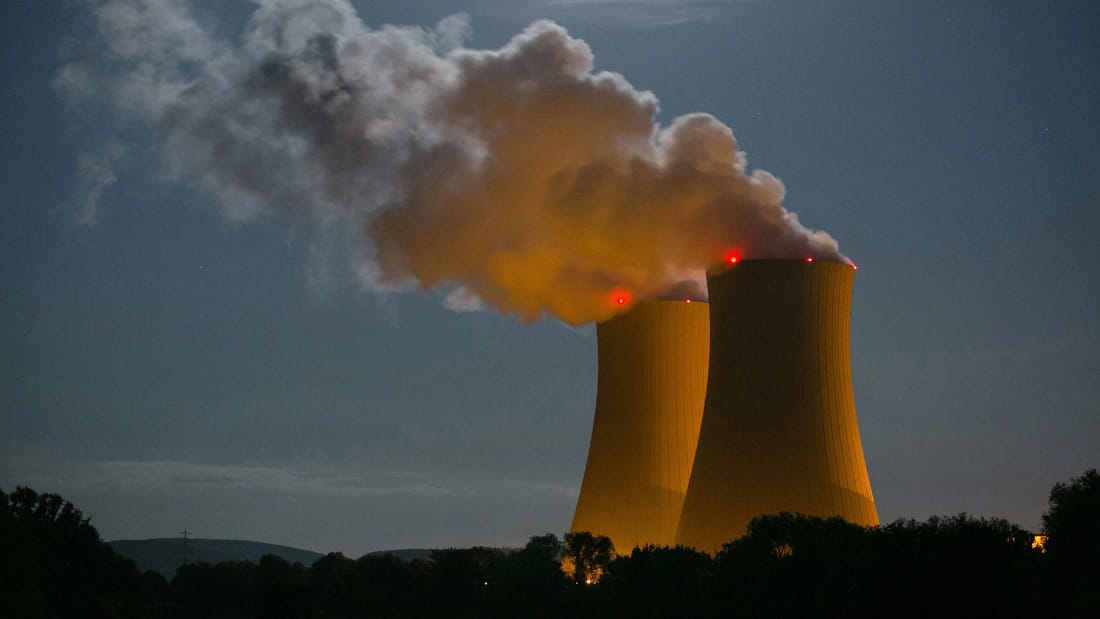
As Zambia’s long-stalled nuclear energy ambitions remain largely dormant, Russia is stepping up efforts to deepen its engagement with the country—not only by offering to build nuclear power stations and invest in mining, but also by courting African journalists through media exchange programmes designed to showcase Moscow’s vision for the continent.
During a media programme organised by the African Initiative News Agency in Russia, the agency’s Editor-in-Chief, Artem Kureev, outlined what he described as Russia’s renewed commitment to expanding partnerships with African countries, including Zambia, across infrastructure, energy, mining, defence and education.
Speaking in an exclusive interview with MakanDay, Kureev said Russia views Zambia as a country with significant opportunities for cooperation and is prepared to support large-scale infrastructure and energy projects.
“We can build nuclear power stations for you. You can pay us with some resources. We can make investments in mining in Zambia. We have many directions for collaboration,” Kureev said.
His remarks come as Zambia’s own nuclear energy ambitions remain uncertain. In previous reporting, MakanDay documented how the country’s plans to establish a civilian nuclear power programme have largely stalled despite years of cooperation agreements with Russia’s state nuclear corporation, Rosatom, and repeated government announcements about pursuing nuclear energy as part of Zambia’s future electricity mix.
Beyond nuclear energy, Kureev said Russia possesses advanced expertise in space technology, geological research, mining and military industries that could support Zambia’s development priorities.
“We are among the best in nuclear power station construction, space research and military technologies. We can equally cooperate,” he said.
He also recalled the historical relationship between Zambia and the former Soviet Union, arguing that the two countries already have a foundation on which stronger economic ties could be rebuilt.
According to Kureev, cooperation could also extend to geological exploration, tourism, mining and higher education through expanded academic exchanges and technical partnerships.
Kureev further said Russia’s experience from the ongoing war in Ukraine has significantly transformed its military capabilities, creating expertise that some African countries are now seeking to learn from.
“Many African countries ask for instruction from the Russian Ministry of Defence because we now have professionals with experience in modern warfare, including drones and new-generation military technologies. We can share that experience,” he said.
He maintained that Russia’s objective is not to dominate African countries but to establish what he described as mutually beneficial relationships.
“We want a multipolar world. We want equal partnership. We want to have as many partners as possible.”
The interview formed part of a broader programme organised by the African Initiative News Agency, a Russian media organisation established in 2023 with a stated mission of strengthening information exchanges between Russia and Africa.
The initiative brings African journalists and digital content creators to Russia to meet officials, media practitioners and academics while visiting institutions across the country. According to the organisers, the programme brought together 50 participants from across Africa, including journalists, bloggers and digital content creators from countries such as Zambia, Madagascar, Tanzania, Togo, Equatorial Guinea, Kenya, Rwanda and several others. Zambia was represented by two journalists and two digital content creators.
Critics have argued that such exchanges form part of Russia’s broader effort to expand its influence across Africa by shaping public narratives. Kureev rejected suggestions that the programme amounts to propaganda.
“We simply invite people, organise visits and show them our country. Then you decide for yourself,” he said.
He said African audiences deserve perspectives beyond those commonly presented by Western media.
“We want people to see the situation with their own eyes and tell it to their audiences,” he said.
According to Kureev, the African Initiative was created to strengthen media cooperation by covering political, economic, cultural and security issues affecting both Russia and African countries.
Kureev also reflected on the growing role of artificial intelligence in journalism, describing it as a useful research tool but not yet a replacement for professional reporting.
“Artificial intelligence is very good for searching information, but many articles and videos produced by AI are still not very professional. In the future it may replace some people in newsrooms, but we will have to see how it develops.”
Kureev said the Russia-Ukraine war had fundamentally reshaped Russia’s economy and foreign policy by reducing its dependence on Western countries and encouraging greater cooperation with partners elsewhere in the world.
He said Africa has become an increasingly important part of that strategy.
“I expect our cooperation to become stronger and stronger,” he said. “I hope to see major infrastructure projects that Russia can undertake in Zambia, and I wish Africa to be peaceful, independent and in control of its own resources.”
Photo credit. Krisztian Bocsi/Bloomberg

Discover more from MAKANDAY
Subscribe to get the latest posts sent to your email.


