

It does not take a genius to figure out one of Zambia’s biggest problems right now. It is our politics.
The elections are over, but many Zambians are still nursing the election hangover.
Those who won are rejoicing, while some are probably sweating over whether victory will earn them a seat at the dinner table with those who wield power. For those who lost, it could mean waiting another five years for another chance at that same table.
And therein lies the problem.
Ours has increasingly become a politics not primarily about solving the country’s problems, but about access — to jobs, contracts, appointments, influence and the privileges that come with proximity to power.
When Honourable Daniel Munkombwe, of happy memory, famously spoke about the “politics of the belly”, many condemned him. Perhaps his words were uncomfortable, but the underlying observation deserves reflection.
Too often, politics in Zambia is treated as an investment from which supporters expect a return once their party wins.
Unfortunately, this mentality has seeped into the civil service.
A Zambian should not have to belong to, support or be connected to a political party to qualify for a government job. Being suitably qualified should be enough.
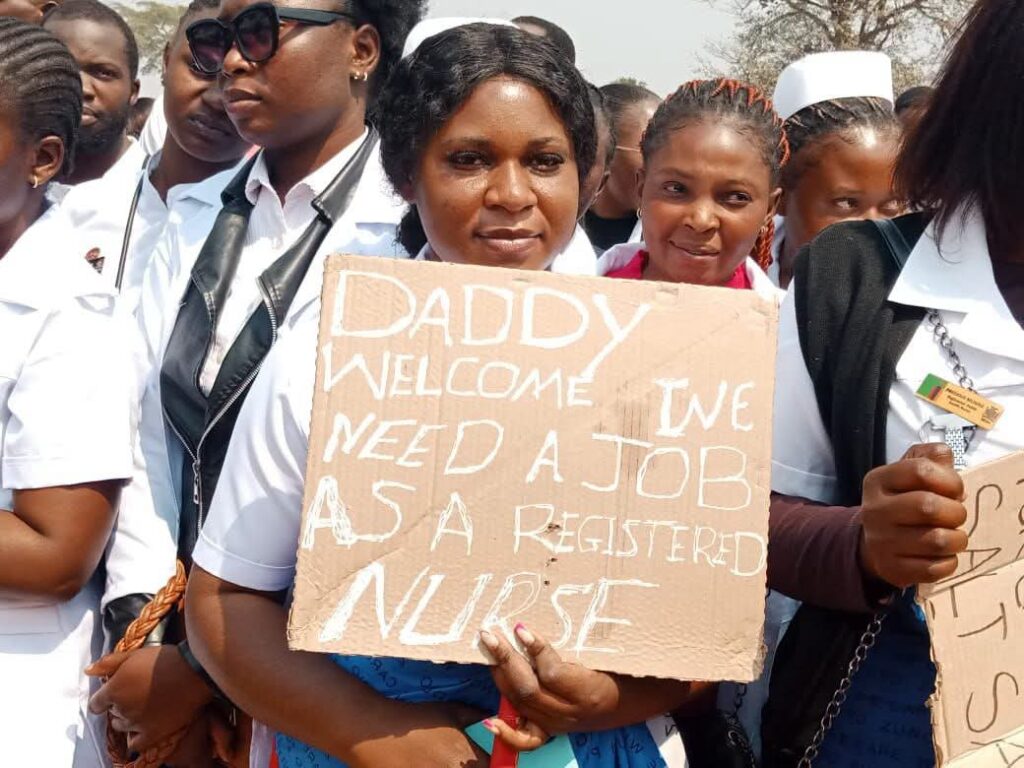
During the just-ended election campaign, President Hakainde Hichilema publicly directed that volunteer nurses and teachers attending some of his campaign engagements be employed. Whatever the intention, recruitment associated with political gatherings risks creating the perception that proximity to political power provides a route into public employment.
And there lies the danger. When someone believes they owe a government job to a political leader or party, where does their loyalty lie when power changes hands?

The problem extends to the top of the civil service. Permanent Secretaries sit at the administrative heart of ministries. Yet Zambia needs to ask whether its public service is sufficiently insulated from partisan politics to survive changes of government without its professionalism being questioned.
Some leaders in the ruling UPND have complained about partisanship in the civil service. Where there is evidence of misconduct, it should be addressed.
But the problem cannot be solved through a witch-hunt or by replacing people perceived to belong to one political camp with those perceived to belong to another.
That merely changes the beneficiaries while preserving the disease.
The answer is to strengthen institutions. Recruitment and promotion should be transparent, competitive and based on merit. Career civil servants should have a genuine pathway to senior positions based on competence, experience and performance rather than perceived political loyalty.
Governments come and go. The civil service remains.
A civil servant does not work for UPND, PF or any other political party. A civil servant works for the Republic of Zambia and must professionally implement the lawful policies of whichever government Zambians elect.
Politics should determine who governs Zambia. It should not determine who qualifies to serve Zambia.
Until we draw that line clearly, every change of government risks becoming another struggle over who gets a seat at the dinner table.
And Zambia has far more important problems to solve than deciding who gets to eat.


Discover more from MAKANDAY
Subscribe to get the latest posts sent to your email.


